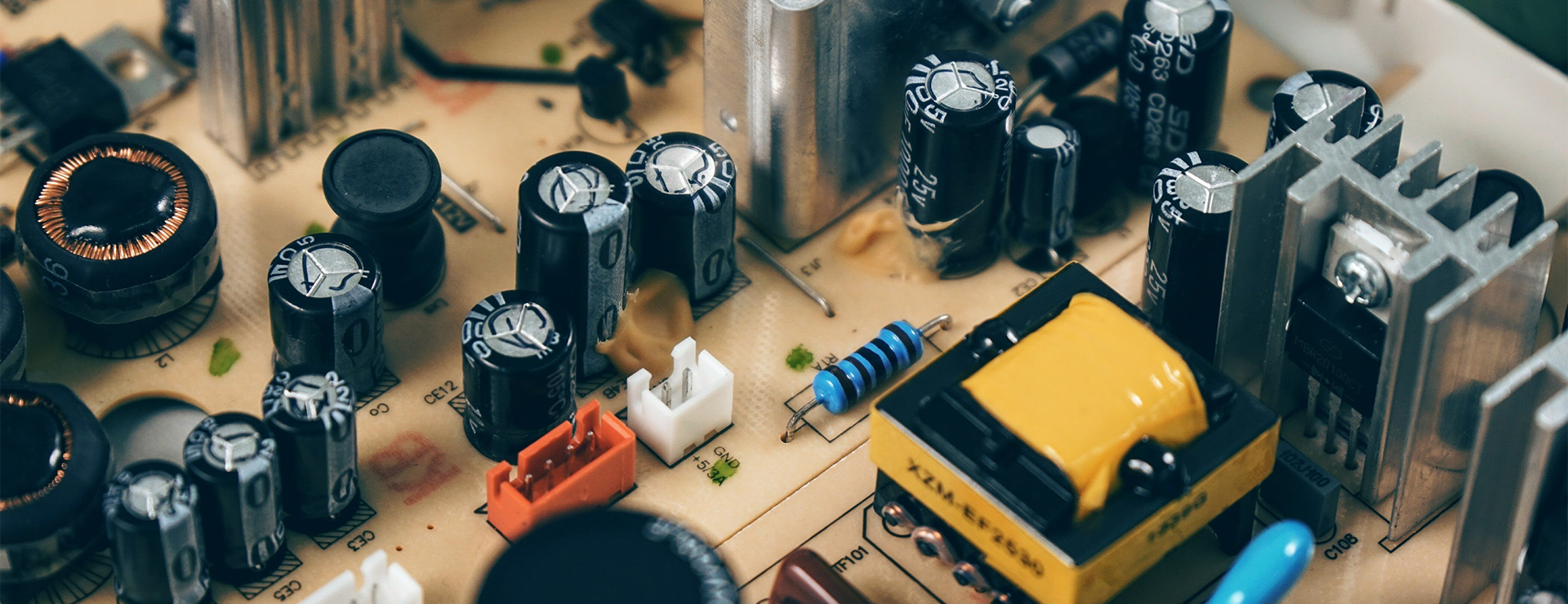
In modern communication systems, frequency stability is critical for ensuring reliable performance. Transmitters rely on oscillators to generate the carrier frequency, but not all oscillators deliver the same level of precision. Historically, LC oscillators were used to establish transmitter frequencies, yet they suffer from several drawbacks. Today, crystal oscillators dominate because they provide far greater stability, accuracy, and resistance to environmental changes.

                  crystal oscillator for transmitter frequency stability 

One of the most important reasons for preferring crystal oscillators is frequency precision. LC oscillators depend on inductors and capacitors, which are highly sensitive to temperature fluctuations and component tolerances. A small variation in capacitance or inductance can cause frequency drift, leading to misalignment in communication channels. By contrast, a quartz crystal oscillator uses the piezoelectric property of quartz, maintaining an exceptionally stable oscillation with minimal drift. This level of accuracy is crucial in transmitters used in data centers and enterprise networks, where switches act as the backbone of high-speed communication.


Switches form the core of data center infrastructure, interconnecting servers, storage systems, and enterprise applications. These networks handle massive amounts of real-time data, requiring tight synchronization to prevent packet loss or jitter. When frequency sources fluctuate, synchronization errors occur, directly impacting latency and throughput. Crystal oscillators mitigate this risk by ensuring that every transmitted signal aligns precisely with system timing requirements. As a result, they are widely used in Ethernet switches, routers, and optical communication modules.


Another advantage of crystal oscillators lies in their long-term stability and reliability. LC circuits degrade over time as capacitors age or inductors lose magnetic efficiency. For mission-critical systems such as telecommunications, cloud platforms, and financial trading networks, downtime or data inconsistency caused by unstable frequencies is unacceptable. Quartz crystals, however, can maintain their performance over years, ensuring consistent transmitter frequency control without frequent recalibration.


The noise performance of crystal oscillators also outshines LC designs. Low phase noise is particularly important for modern digital communication systems that employ advanced modulation schemes. Any excess jitter introduced by the oscillator can compromise bit error rates, leading to degraded performance. Crystal oscillators reduce phase noise significantly, supporting applications from 5G base stations to fiber-optic backbones.


Additionally, crystal oscillators offer compact form factors and integration flexibility. With the increasing demand for high-density networking equipment, space-efficient designs are essential. Crystals can be packaged in small enclosures, integrated into clock modules, or combined with temperature-compensation circuits (TCXO) for even tighter stability. This makes them highly adaptable for switches in dense server racks where both performance and size are critical.


While LC oscillators played an early role in frequency generation, their limitations in stability, accuracy, and environmental sensitivity restrict their application in modern transmitters. Crystal oscillators, by contrast, deliver unmatched frequency accuracy, stability, low phase noise, and long-term reliability. For systems at the heart of enterprise and data center networks—such as high-performance switches—these qualities are indispensable. They ensure that data flows remain synchronized, reliable, and efficient in an era where every millisecond of delay matters.

When pure steam from the water system is used for moist heat sterilization, in order to ensure the sterilization effect, the pharmaceutical industry must regularly conduct three important tests on pure steam related to sterilization quality: non-condensable gas content, superheat and dryness. The standard for clean steam is dryness above 95%, condensed water meets EN285 requirements, non-condensable gas below 3.5% (specific data will vary from company to company), and the quality of pure steam condensate must meet the standards for water for injection.


Why is it necessary to test the quality of pure steam?

The logarithmic model of saturated steam sterilization assumes that there are no non-condensable gases and overheating in the saturated steam. Wet steam, superheated steam, and steam containing non-condensable gases can potentially have adverse effects on the sterilization rate of porous/solid items in the process.


1)Necessity of Dryness Testing:

The dryness of steam is calculated by measuring the relationship between the temperature change of a known amount of water and the amount of steam required to cause that temperature change. Ideally, the temperature increase is directly proportional to the amount of steam delivered to heat the water, resulting in a dryness value of 1.0, which means completely dry steam without liquid water. If the dryness is 0, it indicates 100% water.

Typically, the dryness value is less than 1.0 because there is heat loss in well-insulated piping systems. Since the dryness value at the chamber inlet may be much lower than the dryness value inside the sterilizer, it is important to measure steam dryness at both locations. The acceptance criterion for clean steam dryness (the fraction of steam relative to water - 1.0 = all steam, no water) should be at least 0.95, or 95% by weight. For laboratory autoclaves, a dryness as low as 90% is considered acceptable, however, steam with a value below this is considered wet steam.

During routine steam sterilization processes, we do not want to use wet steam because it cannot deliver as much energy to the load as saturated steam and can lead to what is known as "wet packs." The presence of moisture can adversely affect bacterial retention performance. The purpose of dryness testing is to remove droplets from packaging materials to ensure sterilization efficiency.


2)Necessity of Non-condensable Gas Testing:

Non-condensable gases (NCG) refer to gases that do not liquefy during the saturated steam sterilization process, typically air. Compared to steam, air is a poor sterilizing agent.

For example, a typical dry heat sterilization exposure phase lasts for more than two hours at a temperature of at least 160°C/320°F. Steam sterilization usually exposes for 15 minutes at 121°C/250°F or for 3.5 minutes at 134°C, and the difference in efficacy is evident. In short, non-condensable gases reduce the effectiveness of sterilization. The percentage of non-condensable gases in steam should be less than or equal to 3.5% (by volume).


3)Necessity of Superheat Value Testing:

Superheated steam refers to steam that has a temperature value above the boiling point temperature at a certain pressure. When the temperature and moisture content do not match, two situations may occur:

1) If the moisture content is higher than the temperature saturation, a wet load will occur, as described earlier.

2) When the moisture content is lower than the temperature saturation, this condition is called superheat. In a superheated condition, the steam is too dry, and its energy is too high. When the steam condenses on the load, the energy released is sufficient to melt plastic packaging or char paper packaging. Therefore, we test the superheat value of steam to avoid this situation.


Analysis of Non-compliance and Solutions

1.Non-condensable gas non-compliance may be caused by:

1) Fluctuations in Steam Pressure

Explanation: Fluctuations in steam pressure may originate from an unstable steam source, poor piping design, or imprecise control systems. These fluctuations can affect the gas composition in the steam, especially when the pressure suddenly drops, causing the gases dissolved in the steam to precipitate, increasing the content of non-condensable gases.

Solutions: In addition to testing when the steam system is unloaded, check the stability of the steam source, optimize the piping design to reduce pressure fluctuations, and ensure the accuracy of the control system.


2) Short Operating Time of the Steam System

Explanation: A newly started or short-time operated steam system may not have reached a stable state, and the impurities and gas composition in the steam may not have been completely eliminated.

Solutions: Ensure that the steam system has sufficient preheating and operating time to reach a stable state before testing.


3)  Inherent Issues with Steam Quality

Explanation: The pure steam generator may have malfunctions or improper settings, resulting in steam containing excessive non-condensable gases.

Measures: Contact the equipment supplier for professional tuning and maintenance to ensure the normal operation of the pure steam generator and the quality of the steam.


2.Superheat non-compliance may be caused by:

Explanation: Superheat is usually not a problem, but if there is overheating or uneven cooling in the steam/water system, it may affect the measurement results of superheat.

Solutions: Check whether the heating and cooling equipment of the steam system is operating normally to ensure that the temperature of the steam is stable during transmission.


3.Dryness value non-compliance may be caused by:

1) Absence of Drain Valves in Steam Pipelines:

Explanation: The role of drain valves is to promptly remove condensate from steam pipelines to prevent accumulation. If not installed or if the drain valve is faulty, condensate will accumulate in the pipeline, affecting the dryness of the steam.

Solutions: Install and regularly check the working condition of the drain valves to ensure their normal operation.


2) Testing Operation Issues:

Explanation: Improper operations before testing, such as not fully venting air and condensate from the steam pipeline, can lead to inaccurate test results.

Solutions: Conduct tests according to standard operating procedures to ensure that air and condensate in the pipeline are fully vented before testing.


3) Inadequate Insulation of Steam Pipelines:

Explanation: Damaged or insufficient insulation can cause steam to cool and produce condensate during transmission, reducing the dryness of the steam.

Solutions: Check and repair the insulation layer of the steam pipeline to ensure its integrity and insulation effect.


The zhicetemptech 50Ⅲ SQTK Steam Quality Testing Kit is designed for the quality testing of pure steam, ensuring sterilization efficiency.


          Anti-drone Equipment to deal with the threat of black flights to ensure low-altitude safety, the current "black flight" incidents are frequent, the hidden dangers can not be ignored. Inside and outside of airport clear zones, drone "black flights" are prone to cause a high incidence of accidents. Small drones, falling from a high altitude are also enough to injure people. In addition, the "black flight" of drones may also cause privacy leakage.


          The threat of "black-flying" drones to low-altitude safety at scenic spots is also obvious, as tourists using drones for filming may disturb wildlife and birds, as well as cause noise and accidents.


          The UAV defense system uses radar, spectrum detection, optoelectronic equipment and other means to work together, integrates and comprehensively handles multi-source detection and surveillance information, realizes early discovery, accurate identification and timely warning of suspicious small UAV targets, analyzes and judges the target threatening situation, and makes targeted jamming and interception decisions, and the interception UAV equipment mainly based on electronic jamming is able to provide continuous high-precision, high-data-rate Target guidance information, command defense and strike, so as to effectively safeguard the security of low-altitude areas.


          Detection systems: the "sensory core" for detecting and locating drones


          Detection systems are responsible for identifying and locating drones and are the first line of defense in the countermeasure process. Core components include:


          RF detectors: capture drone communication signals (e.g., 2.4GHz, 5.8GHz Wi-Fi, or proprietary protocols), identifying the model and location, with a detection range of 1-8 kilometers.


          Radar system: using millimeter-wave or microwave radar, detects UAV position, speed and trajectory, coverage range, suitable for low altitude or complex terrain.


          Optical/infrared sensors: capture UAV visual and thermal characteristics with 4K camera and infrared thermal imaging, suitable for night or foggy weather.


          Jamming system: the "suppression core" to suppress drone signals.


          The jamming system cuts off the communication and navigation functions of the drone by emitting electromagnetic signals. Suppresses 2.4GHz and 5.8GHz bands, and has a large coverage area.


          GPS jammer: targets the 1.5GHz GPS L1 band, emitting noise or pseudo-signals to disrupt positioning.


          Portable Jamming Gun: handheld device with directional antenna and laser sight, suitable for quick response.


          The jamming system utilizes software-defined radio (SDR) technology and supports band expansion. By virtue of its comprehensive and efficient nature, the drone detection and countermeasure system has demonstrated its value for a wide range of applications in multiple scenarios, covering stationary, vehicle-mounted and portable deployments.


          Airport security: protecting airspace


          An airport is protecting runway security by disposing of drones through Jammers and Netting Equipment. Portable jamming guns are used by security personnel for quick response.


          Critical facility protection: guarding sensitive areas


          Nuclear power plants, key sites, etc. are protected from drone reconnaissance or attacks. Fixed systems are equipped with jammers and lasers.


          Public Safety: Safeguarding Major Events


          Illegal drones can raise security or privacy concerns during sporting events, concerts or major conferences.


          Border management: responding to cross-border threats


          Border areas often face illegal drone surveillance. Vehicle-mounted systems are equipped with radar, jammers and interceptor drones to seize illicit cargo. The chain of command shares data over the network and coordinates multi-device countermeasures. The drone detection and countermeasure system realizes closed-loop defense capability from discovery to disposal through the collaborative work of the detection system, jamming system, command and control system, and auxiliary capture equipment, combining multi-source detection, signal jamming, physical disposal, and collaborative command mechanisms. Its successful application in airport security, key facility protection and border management fully demonstrates its efficiency and flexibility.

          Low-altitude economy under the Drone Countermeasure Technology to guard the security and order, in today's era, low-altitude economy is booming, drones with its unique advantages, in many areas to shine. Whether it's capturing magnificent scenery in aerial photography, realizing fast distribution in logistics transportation, helping precise operation in agriculture, guaranteeing regional safety in security work, or adding novelty experience in tourism industry, drones play an indispensable role. However, the widespread popularization of drones has also brought about a series of issues of concern, which, like the "haze" in the low-altitude field, pose a potential threat to people's lives and the security and stability of society.


          Privacy violations occur from time to time, some lawless elements use drones to spy on other people's privacy, so that people's private space is no longer peaceful; airspace safety is facing challenges, the disorderly flight of drones may interfere with the normal aviation order, bringing hidden dangers to the safety of civil aviation flights; illegal invasion incidents are also common, some drones are used for illegal purposes, attempting to break into the important areas, posing a threat to important facilities. It is the emergence of these problems that has given rise to drone countermeasure technology and driven its continuous evolution and development, becoming an important force in guarding low-altitude security.


          At present, drone countermeasure technology has built up a diversified, multi-level system covering a wide range of means, each with its own advantages, suitable for different application scenarios, and providing a comprehensive solution for dealing with the threats posed by drones.


          Jamming and Blocking type of technology is one of the most important means of countering drones. Suppressing the communication link between the drone and the remote control. When the drone loses its control link, it enters a preset safety mode, such as hovering, returning to flight, or forcing a landing, thus preventing it from continuing to carry out flight tasks that may pose a hazard. Protocol spoofing and hijacking are even more ingenious, where control of the drone is seized by forging control commands through the cracking of the drone's communication protocols. In this way, the drone will follow the counterparty's pre-determined instructions, such as returning to flight or landing, preventing it from continuing its illegal or dangerous mission.


          Deception and control technologies also play a key role in countering drones, as GPS deception technology induces drones to fly to preset safety zones or forced-landing points by transmitting false satellite positioning signals. The core of the technology lies in the temporal and spatial synchronization between the simulated and real signals, so that the drone can misjudge its own position, thus deviating from its original route and entering a safe and controllable area. Navigation spoofing further simulates false satellite navigation signals, inducing the drone to misjudge its position and deviate from its route, or triggering a return procedure to make it deviate from the target area, preventing the drone from intruding into a specific area. You can learn about the preparations for the construction of the anti-drone defense system in the factory area and do a good job of deploying anti-drone equipment.


          Physical interception-type technologies also show unique advantages in specific scenarios. The Net-capture Traversing Aircraft Device is a milder form of interception that allows for the capture of small drones by launching a capture net, and is particularly suitable for scenarios such as cities where collateral damage needs to be avoided. This approach allows drones to be safely captured without causing excessive damage, minimizing the harm they may cause.


          Strike-and-destroy type of technology occupies an important position in countering drones with its great power. Lasers emit high-energy laser beams that can quickly burn through the body of a drone, and are characterized by fast response speed and high precision, allowing for the rapid destruction of targets. However, it also has certain limitations and is greatly affected by weather, and its effectiveness is greatly reduced under adverse weather conditions such as fog and heavy rain.


          In addition to the main countermeasures technologies mentioned above, a number of other technologies are being developed and refined. The multi-technology fusion system combines various technologies, such as radar detection, radio frequency analysis and optoelectronic identification, to form an integrated countermeasure system. Through artificial intelligence, it analyzes drone trajectories and matches countermeasures, such as jamming, spoofing and lasers, which greatly improves countermeasure efficiency and success rates.


          In the wave of rapid development of low-altitude economy, drone countermeasure technology is like a solid line of defense, guarding our security and order. From jamming and blocking to deception and control, from physical interception to striking and destroying, and to other technological means such as multi-technology fusion, these countermeasure technologies have cooperated with each other to form an all-around, multi-layered defense system.


          As science and technology continue to advance, drone countermeasure technologies will also continue to develop and improve. We have reason to believe that under the guardianship of these advanced technologies, the low-altitude domain will become safer and more orderly, and drones will continue to play their positive role in our lives and social development under reasonable control, so that the prosperity and safety of the low-altitude economy can coexist harmoniously and we can work together to create a better future.

         In the rapid development of the logistics and warehousing industry, the inventory scale continues to expand, the traditional warehouse management model is facing many challenges. Shortage of personnel leads to low inventory efficiency, inventory update cycle is too long to meet the real-time management needs, the lack of high-frequency security and fire patrols also bring hidden dangers to the warehouse safety. In this context, indoor inspection drones came into being, becoming a key tool to crack the industry's pain points.


         The indoor inspection drone has reshaped the warehouse inventory process by virtue of the technology integration mode of "drone + AI + RFID". Take the TSU-2 indoor inspection drone as an example, equipped with a gimbaled camera and RFID reader, it can efficiently traverse all shelves in the warehouse and accurately read the RFID tag information of commodities through automatic planning of flight routes or manual pilotage. Compared with the traditional manual inventory, the indoor inspection drone efficiency is greatly improved, significantly shortening the inventory cycle. At the same time, the compact design of the hangar makes it flexible to deploy, without the need for secondary construction, and can quickly adapt to different warehouse layouts, easily traversing all corners of the warehouse, realizing the rapid collection of cargo information and real-time linkage, and injecting brand new vitality into warehouse management.


         The core competitiveness of the indoor inspection UAV stems from a number of key technology breakthroughs. Navigation technology allows the drone to obtain real-time environmental information through sensors in an indoor environment without satellite signals, complete autonomous positioning, trajectory estimation and environmental mapping, and accurately plan flight paths; hybrid identification technology uses a combination of flexible metal-resistant RFID tags and high-contrast dynamic two-dimensional barcode, prioritizing the reading of RFID tags with higher efficiency, and automatically switching to AI two-dimensional barcode identification in the event of identification failure. With the three-level error tolerance system of AI multi-model voting verification and real-time comparison of system data, the error rate is strictly controlled at a low level; autonomous flight technology realizes accurate hovering, rotating, and photo-taking of the drone indoors by converting the LIDAR position information into GPS format, which, combined with the automatic charging function, achieves the high-frequency unattended inspections. In addition, the application of infrared camera allows the drone to have fire warning capability, real-time monitoring of the warehouse temperature, and immediately triggering the alarm when abnormalities are detected, escorting the safety of warehousing.


         With the continuous maturity of technology, indoor inspection drones have been deeply integrated into the warehouse management platform, building a full-process intelligent management system. Warehouse management platform through the visualization of the Kanban board, real-time presentation of the use of the state of the warehouse, the operation of equipment, in and out of the warehouse statistics and other key data, managers can view inventory information at any time, based on the data to make scientific decisions. Driven by innovation, drones have become the new favorite of indoor inspection. The image, temperature, cargo information and other data collected by the drone during inspection will be uploaded to the cloud and synchronized to the management system in real time, forming a complete inventory database, supporting historical data query and analysis, and helping to optimize inventory layout and reduce inventory costs. At the same time, the platform also has an exception handling function, when the drone detects problems such as cargo displacement and equipment failure, it will quickly freeze the relevant cargo space, generate emergency task orders and push alert information to ensure timely resolution of the problem and safeguard the stability of warehouse operations.


         How to choose a quality indoor inspection drone manufacturer? When choosing an indoor inspection drone manufacturer, you need to comprehensively consider various factors. First, pay attention to technical strength, give priority to manufacturers with independent R&D capabilities and mature solutions in core technology areas such as SLAM navigation, RFID identification, AI algorithms, etc., and assess the stability and advancement of the technology by examining their technical patents and project cases. Secondly, pay attention to product performance and adaptability, understand the flight time, load capacity, recognition accuracy, environmental adaptability and other parameters of the drone, to ensure that the product can meet the scale, layout and special storage needs of their own warehouses, for example, whether it can fly stably in the narrow aisles, and whether it is equipped with additional functions such as temperature and humidity monitoring. Furthermore, examine the manufacturer's after-sales service system, perfect after-sales support including equipment installation and commissioning, operator training, regular maintenance and rapid response to failures, which directly affects the long-term stable operation of the equipment. Reference to the industry reputation and customer reviews, through the exchange of other enterprises using the manufacturer's products, select the manufacturer with a good reputation for the intelligent upgrading of warehouse management to provide a reliable guarantee.

          As drones are increasingly used in many fields, the airspace safety risks arising from their misuse are becoming more prominent. Such risks are particularly prominent in sensitive areas such as airports and large public event venues. Traditional signal jamming means are often limited in their effectiveness against drones with autonomous flight capabilities.


          In contrast, the physical interception program using multiple UAVs to perform collaboratively has become one of the current strategies for dealing with high-risk aerial targets because of its greater robustness and environmental adaptability. Nanjing Thousand Eyes Aviation's net-catching traverser realizes the full-process closed-loop of launching a catching net to capture, which provides new ideas and solutions for airspace safety and security.


          In the actual anti-nullification mission, the target is monitored by the detection equipment, and by estimating the position and speed of the target, the staff operates the net traversing machine, which can encircle the target with multiple net traversing machines in a circular symmetrical formation to ensure the observability requirement based on the directional measurements and a high catching coverage space. Based on the estimated target state, tracking stability is ensured and capture readiness is maintained. In a real-time capture mission, when the target enters the net capture range, and locks the target for net capture.


          The net traverser can also be used to capture criminal suspects, the advantage of non-contact capture, can protect the safety of law enforcement officers, but also can reduce the damage to the suspects. Of course, the net traversing machine can also be used in the zoo, if there are animals "escape", can also be used. What are the advantages of intelligent net trapping drone how to buy? Of course, these are to be used within the scope of local regulations, and the purchase of reliable manufacturers, from the load, flight stability, intelligent control and other aspects, as well as the manufacturer's establishment of time and so on to consider.


Warm tips: net catching traverser is expected to be used in the future in security and no-fly zone supervision, major events anti-drone protection, etc., to provide more reliable protection for airspace safety.

When many people think of "walkie-talkie", the traditional hand-held walkie-talkie (two-way radio) may come to mind:

Man talking on walkie-talkie

Radio communications are essential for police, ambulances, firefighting, mountain rescue, petrochemical industries, construction and many hazardous work environments to ensure reliable and safe communications during critical times.

However, it's not just emergency services and dangerous work environments that require reliable communication channels.

Transport services such as buses, trains, trams, local authorities, council fleets, schools, universities, taxi companies, event organizers require seamless communication between employees.

PoC sometimes called "Press to Transmit" is a service that provides all the features and benefits of a two-way radio, available on dedicated or Android devices.

How does PoC work?

PoC uses cellular or Wi-Fi networks and does not require any additional infrastructure to cover large areas. This means it provides a cost-effective way to extend the coverage of a radio system that can include non-radio users.

PoC allows users to make one-to-one, one-to-specified group or one-to-many calls by pressing a button, just like a senhaixun walkie-talkie.

What are the advantages of Push to talk over cellular radios?

No matter where you are in the world, as long as you have a Wi-Fi or cellular network connection, you can quickly and effectively communicate with your members, track and monitor users with GPS location, and instantly send voice commands to individuals or groups without complex or Expensive infrastructure, effectively reducing costs.

PoC works seamlessly on the network, allowing users to communicate across any platform, including cellular networks (2G, 3G, 4G), Wi-Fi platforms, broadband and two-way radio networks, providing the greatest possible coverage.

One-to-one or multiple groups can hold up to hundreds of users, and each user can be configured with a unique profile, defining talk groups and private calling features.

Push-to-talk provides reliable, highly secure business-critical communications, whether over cellular, LTE, or Wi-Fi connections.

In an emergency, PoC has a panic alert button on supported devices.


In today's rapidly evolving industrial landscape, reliable and high-performance display solutions are essential for ensuring operational efficiency and productivity.  (Goldenvision World Enterprise) specializes in providing cutting-edge TFT LCD displays that meet the rigorous demands of industrial applications. In this article, we explore the diverse applications of TFT LCD displays in industrial equipment and how they contribute to enhancing performance and functionality.


What Makes TFT LCD Displays Ideal for Industrial Applications?


TFT LCD (Thin-Film Transistor Liquid Crystal Display) technology offers several advantages that make it particularly well-suited for industrial environments:

  • Durability: Designed to withstand harsh conditions, including extreme temperatures, humidity, and vibrations.

  • High Brightness and Readability: Excellent visibility even in brightly lit or outdoor settings.

  • Long Lifespan: Reliable performance over extended periods, reducing the need for frequent replacements.

  • Customizability: Can be tailored to meet specific industrial requirements, including size, resolution, and interface compatibility.


Key Applications of TFT LCD Displays in Industrial Equipment


1. Human-Machine Interfaces (HMIs)

TFT LCD displays are widely used in HMIs to provide operators with intuitive and interactive control over machinery and processes. Their high resolution and responsiveness ensure seamless communication between humans and machines, enabling precise monitoring and adjustments.

2. Industrial Automation and Control Systems

In automated manufacturing environments, TFT LCD displays serve as critical components for visualizing data, controlling robotic systems, and managing production lines. Their ability to display real-time information helps optimize efficiency and reduce downtime.

3. Test and Measurement Equipment

From oscilloscopes to multimeters, TFT LCD displays are integral to test and measurement devices. They provide clear and accurate readings, making it easier for technicians to analyze data and troubleshoot issues.

4. Medical and Laboratory Equipment

In industrial settings related to healthcare and research, TFT LCD displays are used in devices such as diagnostic machines, analyzers, and monitoring systems. Their reliability and clarity ensure accurate results and enhance operational safety.

5. Transportation and Logistics

TFT LCD displays are employed in forklifts, warehouse management systems, and logistics tracking devices. Their rugged design ensures functionality in demanding environments, while their high brightness guarantees readability under various lighting conditions.

6. Energy and Power Management

In power distribution systems, renewable energy controls, and grid monitoring equipment, TFT LCD displays provide real-time data visualization and control capabilities. Their durability makes them ideal for both indoor and outdoor use.

7. Agricultural and Construction Machinery

From tractors to excavators, TFT LCD displays are used in agricultural and construction equipment to provide operators with vital information about machine performance, navigation, and task management.


Why Choose Golden World Enterprise for Industrial TFT LCD Displays?


At Gvlcd, we understand the unique challenges of industrial applications. Our TFT LCD displays are engineered to deliver:

  • Superior Performance: High brightness, wide temperature ranges, and robust construction.

  • Custom Solutions: Tailored displays to meet specific industrial needs.

  • Reliability: Long-lasting performance with minimal maintenance requirements.


Conclusion


TFT LCD displays play a pivotal role in enhancing the functionality and efficiency of industrial equipment across various sectors. Their durability, clarity, and adaptability make them an indispensable component in modern industrial applications.

Contact Golden World Enterprise today to learn more about our industrial TFT LCD display solutions and how they can empower your operations!