As global industries accelerate toward digital transformation and carbon neutrality, manufacturers are under increasing pressure to deliver more—with less. At PRIMA, we see this challenge as an opportunity to lead.


By combining intelligent production systems with a sustainably built smart information industrial park, we are reshaping how commercial display screens are manufactured—faster, cleaner, and smarter than ever before.


Triple-System Integration: ERP + MES + WMS

PRIMA is building a fully connected production ecosystem. Our ERP system is already in place, and both MES (Manufacturing Execution System) and WMS (Warehouse Management System) are being implemented to further strengthen our operational foundation.

  • 🧩 ERP ensures seamless coordination across business functions

  • ⚙️ MES will enable real-time production tracking and quality control

  • 📦 WMS will bring intelligent warehouse logistics and inventory automation


Together, these systems will drive end-to-end digitization, shorten production cycles, and improve product consistency.


Built Green by Design: PRIMA Information Industrial Park

Our new headquarters in Xiamen isn’t just a smart factory—it’s a green factory, purpose-built to meet China’s Green Building Two-Star Standard. Key sustainability features include:

  • ☀️ Rooftop solar power system that supplies up to 90% of the park’s office and lab electricity

  • 🔌 EV charging stations in the parking area to support green commuting

  • 💧 Separate rain and sewage drainage systems, designed to reduce environmental impact


This infrastructure supports PRIMA’s long-term commitment to low-carbon, eco-friendly manufacturing.


Commercial Displays, Elevated by Smart Manufacturing

The results of our digital and green transformation speak directly to our product advantages:

  • Greater precision and reliability, thanks to intelligent control and automated processes

  • Faster delivery times, driven by real-time data flow and lean logistics

  • Lower environmental footprint, aligning with customer sustainability goals


At PRIMA, we believe the future of manufacturing lies in combining efficiency, innovation, and sustainability.


We welcome global partners to visit our Xiamen Xiang'an Information Industry Park and explore the new standard in commercial display production.

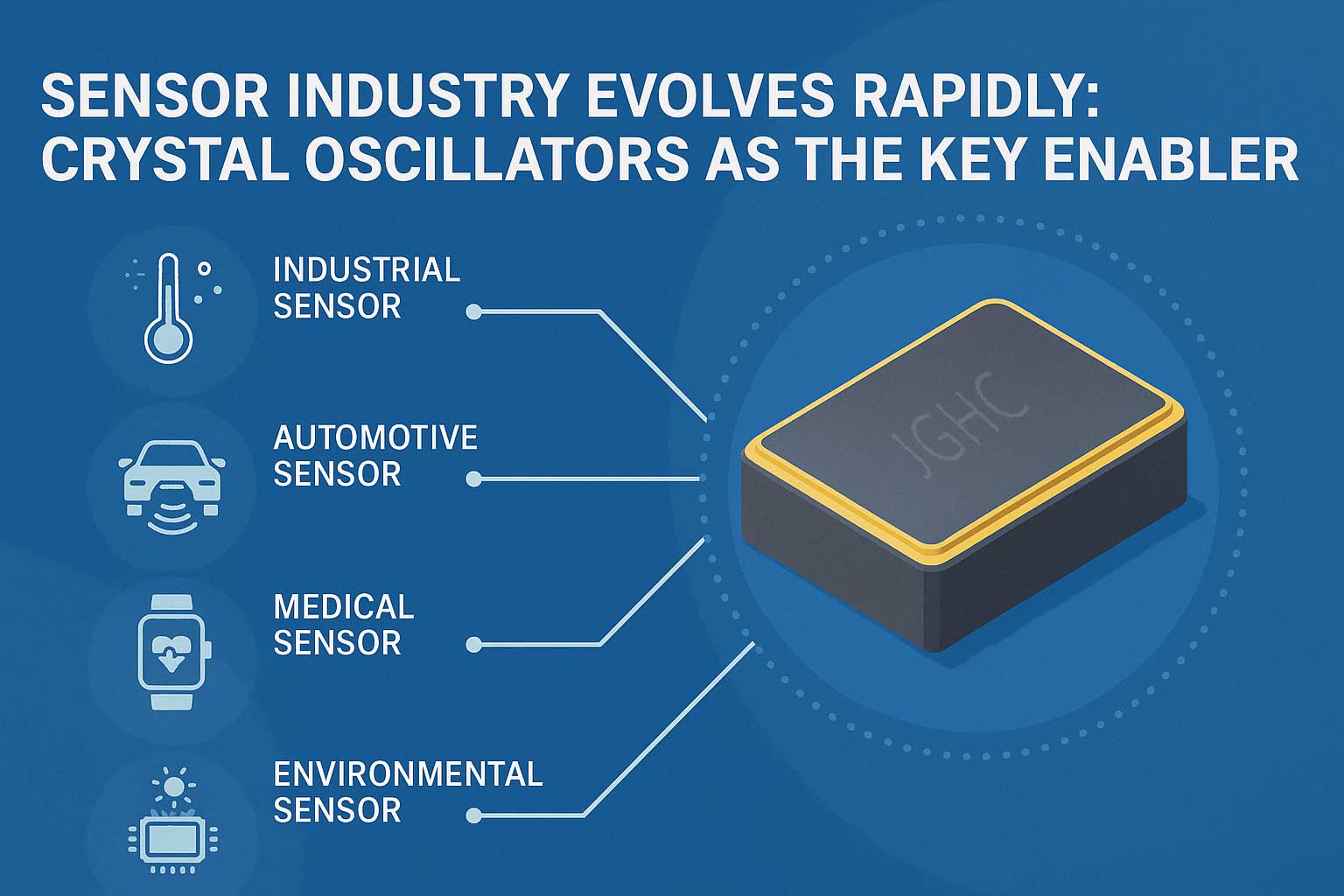
When designing and manufacturing electronic products, one of the key components that must be chosen carefully is the oscillator. Oscillators are crucial for providing a stable frequency source for timing, synchronization, and signal processing. Selecting the right type of oscillator can significantly impact the performance, reliability, and longevity of your product.

Temperature Compensated Crystal Oscillator 


Understanding Oscillators

At their core, oscillators are electronic circuits that generate a periodic signal, typically a sine or square wave. In electronics, they are widely used in applications such as communication systems, clocks, signal generators, and microprocessor timing. The stability and accuracy of the oscillator's frequency are critical in ensuring the proper operation of your device, especially in environments where temperature fluctuations, power supply variations, or other external factors can affect performance.


Types of Oscillators and Their Features


XO (Crystal Oscillator)

A Crystal Oscillator (XO) is a fundamental frequency source used in most electronic systems. The frequency of a standard XO is determined by the physical properties of the quartz crystal. These oscillators offer good accuracy and stability under normal operating conditions.

Pros:

Low cost and simple design

Suitable for a wide range of applications

Stable in typical operating environments

Cons:

Limited temperature stability (frequency may drift with temperature changes)

Accuracy may not be sufficient for highly demanding applications

For applications where low cost and general performance are adequate, a Crystal Oscillator from Shenzhen Jingguanghua Electronics Co., Ltd. might be a suitable choice, offering reliable performance in everyday products.


TCXO (Temperature Compensated Crystal Oscillator)

A Temperature Compensated Crystal Oscillator (TCXO) offers enhanced temperature stability. It uses a built-in circuit that compensates for temperature-induced frequency variations, making it more suitable for environments with significant temperature fluctuations.

Pros:

Superior temperature stability

Higher accuracy than standard XO

Ideal for portable devices or those exposed to varying environmental conditions

Cons:

Higher cost compared to XO

Slightly more complex design


If you require higher accuracy and temperature stability for applications such as GPS systems or portable communication devices, a TCXO could be a better option to ensure consistent performance across a wide temperature range.


VCXO (Voltage Controlled Crystal Oscillator)

A Voltage Controlled Crystal Oscillator (VCXO) is similar to an XO, but it allows the output frequency to be adjusted by an external voltage input. This makes VCXOs ideal for applications requiring fine-tuned frequency adjustments, such as phase-locked loops (PLLs) in communication systems.

Pros:

Adjustable frequency output

Ideal for frequency modulation applications

Excellent for use in systems that require precise frequency control

Cons:

More expensive than standard XO

Requires external circuitry to control the voltage


For applications where precise frequency control is critical, such as telecommunications equipment or high-performance computing systems, a VCXO provides flexibility without sacrificing stability.


OCXO (Oven Controlled Crystal Oscillator)

An Oven Controlled Crystal Oscillator (OCXO) is a type of high-precision oscillator that uses a temperature-controlled environment (oven) to maintain the quartz crystal at a stable temperature. This eliminates temperature-induced frequency drift, making OCXOs the most accurate and stable type of oscillator.

Pros:

Extremely high accuracy and stability

Ideal for high-performance, mission-critical applications

Excellent for use in scientific instrumentation and telecommunications

Cons:

Expensive

Larger size and higher power consumption


For applications requiring ultra-high accuracy, such as scientific research, precision measurement, and satellite communication systems, an OCXO offers unparalleled performance.


MEMS Oscillators

Microelectromechanical Systems (MEMS) oscillators are a newer type of oscillator that uses tiny mechanical structures integrated with semiconductor technologies. MEMS oscillators offer several advantages over traditional crystal-based oscillators, including smaller size, lower power consumption, and better shock resistance.

Pros:

Small form factor

Low power consumption

Highly resistant to mechanical shock and vibration

Cons:

Lower frequency stability compared to crystal-based oscillators

Potentially less accurate in demanding applications


MEMS oscillators are ideal for portable devices and wearables, where space and power consumption are critical, while still offering reliable performance in less demanding environments.


 Choosing the Right Oscillator for Your Application

When selecting an oscillator for your product, it is important to consider several factors:

Temperature Range: If your product will be exposed to varying environmental conditions, choose an oscillator with a high-temperature stability, such as a TCXO or OCXO.


Accuracy Requirements: For applications requiring precise timing or synchronization, a VCXO or OCXO is recommended.


Size and Power Constraints: If your device needs to be compact and power-efficient, consider a MEMS oscillator.


Cost Considerations: If cost is a major factor, an XO or TCXO might be more suitable, as they provide a balance of performance and affordability.


Choosing the right oscillator for your electronic product is crucial to ensuring reliable operation and maintaining performance in varying conditions. Whether you need the high accuracy of an OCXO, the temperature stability of a TCXO, or the compactness of a MEMS oscillator, understanding the specific requirements of your application will help you make an informed decision. Always consider factors like environmental conditions, power consumption, and required frequency stability to select the most suitable oscillator type.


For more information on choosing the right crystal oscillator for your next project, please feel free to contact Shenzhen Jingguanghua Electronics Co., Ltd. We specialize in providing high-quality, reliable oscillator solutions.

The I2C Interface

Capacitive touch screens usually use the I2C (Inter-Integrated Circuit) interface to communicate with the motherboard.  

The I2C interface provides a convenient and relatively simple way for capacitive screens to enable bi-directional communication between the touch screen and the motherboard through two lines (SDA and SCL).

This connection can be made directly on the FPC. I2CC is a bit more required  and needs some programming and writing I2C support code to use the device with the controller.

The USB Interface

USB (Universal Serial Bus) is a universal and widely supported interface standard that can achieve fast and stable data transmission between various devices.

This design of this interface enables the capacitive touch screen to be connected to computers, tablets, smartphones and other devices via USB to achieve touch input and data interaction with the motherboard.

The main advantage of USB is the plug-and-play. Operating systems such as Windows and Linux will be equipped with relevant USB drivers to operate the device. There is a choice of ZIF (direct to FPC) or USB 4-pin connection.

How to Choose the I2C or USB Interface?

Choose I2C Interface

Simplify Connection

If you want the system connection to be simpler, the I2C interface only requires two wires (SDA and SCL). Compared with the USB interface, the connection is simpler.

Low Power Consumption

The I2C communication protocol usually has lower power consumption and may be more suitable for some devices with higher power consumption requirements.

Suitable for Embedded Systems

The I2C interface is suitable for embedded systems and can provide more flexible solutions for some small electronic devices and embedded applications.

Multi-device Connection

The I2C bus supports multiple device connections, so multiple I2C devices can be easily integrated into the same system.

Low Cost Design

If system cost is a constraint, the I2C interface is usually a lower-cost option.

Choose USB Interface

High Speed of Data Transfer

If the application requires a higher data transfer rate, especially for images, videos and other large data volume applications, the USB interface may be more suitable, especially USB 3.0 and above.

Broad Compatibility

USB is a universal interface standard that is supported by almost all computers and many other devices. If your device needs to connect to multiple devices, USB provides wider compatibility.

Power Supply

The USB interface can provide power supply, which is an advantage for some devices and can simplify power management.

Complex Human-machine Interface

Applications need to support complex human-machine interfaces, such as multi-touch, gesture recognition and other functions. USB interface is usually more suitable.

Desktop or Laptop Applications

The USB interface is more suitable for connecting to personal computer devices such as desktop computers and laptops.

Features/parameters USB Interface I2C Interface
Data transfer rate High, especially USB 3.0 and above Relatively low, depending on the specific I2C rate
Power supply Provide power supply Normally no power supply provided, additional power cord required
Connection complexity Relatively complex, requiring multiple pins and cables Simplified connections, only two wires (SDA and SCL)
Compatibility Widely compatible, almost all devices support USB Suitable for embedded systems, more flexible devices that need to support I2C
Power consumption Usually higher Usually lower
Human-machine interface support Suitable for complex human-machine interface, multi-touch, etc. Suitable for some basic touch interactions
Multi-device connection Requires additional equipment to support USB hub, etc. I2C bus supports multiple device connections
Cost Usually higher Usually lower
Application  Desktop computers, laptops, etc. Embedded systems, small electronic devices, etc.
Table 1. Comparison of I2C and USB interfaces

Summary

The choice between I2C and USB depends on the specific requirements of the application. I2C is often preferred in embedded systems and scenarios where simplicity and lower data rates are acceptable, while USB is chosen for high-speed data transfer, power delivery, and compatibility with a wide range of devices.

In addition to standard CTP with I2C or USB interface, CloudSense OptiTech has integrated I2C and USB solutions in capacitive touch panel. It’s easy to use and for future changes, please contact us for more information.

     The vacuum of space poses a uniquely hostile environment for most materials, including permanent magnets. With no atmosphere, extreme temperature fluctuations, and exposure to cosmic radiation, space presents a significant challenge to the structural integrity and performance of magnetic materials. Strong neodymium magnetic material, widely known for their strong magnetic properties and compact size, are increasingly used in aerospace and satellite technologies—but how do they maintain performance under such extreme conditions?


Understanding the Challenges


     In vacuum environments, especially in space, temperatures can swing drastically—from below -150°C in shadow to above +150°C in direct sunlight. Such variations can cause conventional magnets to lose strength or even suffer permanent demagnetization. Furthermore, the absence of atmospheric pressure means that many protective coatings used on Earth may degrade or outgas, releasing harmful vapors that can contaminate sensitive spacecraft components.


High temperature resistant magnet


Advanced Materials and High-Temperature Grades


     To overcome these challenges, manufacturers turn to high performance neodymium magnet grades such as H (High), SH (Super High), and UH (Ultra High). These magnets are engineered with higher intrinsic coercivity, allowing them to resist demagnetization at elevated temperatures. In some advanced applications, the addition of elements like dysprosium or terbium helps further enhance temperature stability.


Vacuum-Compatible Coatings and Encapsulation


     Coating technology plays a critical role in protecting neodymium magnets in vacuum. Standard coatings like nickel-copper-nickel may not be suitable due to potential outgassing. Instead, vacuum-compatible coatings such as parylene, gold, or special polymers are used. In some cases, the magnets are hermetically sealed within titanium, stainless steel, or aluminum housings to provide a long-lasting barrier against oxidation and environmental stress.


custom coating neodymium magnets

Applications in Aerospace and Space Exploration


     Neodymium magnets are essential components in satellite control systems, reaction wheels, magnetic torquers, electric propulsion mechanisms, and robotic arms. Their high energy product (BHmax) enables powerful magnetic performance even when miniaturized—an important advantage for spacecraft design where every gram counts.


Future Outlook


     As aerospace and space missions become more ambitious, the demand for durable high strength magnets will continue to grow. Technological advances in material science, coating development, and magnet design are enabling neodymium magnets to operate reliably in some of the harshest environments imaginable.


custom size rare earth magnets


     Looking for magnetic solutions tailored to your space-grade requirements? Contact our team for expert guidance and custom development options.


Shelf life of various battery types

The shelf life of batteries is greatly affected by their type and storage environment. Generally speaking, alkaline batteries have a service life of 5 to 10 years, while lithium batteries can maintain a life of 10 to 15 years. NiCd batteries can usually be recharged 500 to 1000 times, and the normal life of NiMH batteries is between 1 and 5 years. Lead-acid batteries may also have a lifespan of up to 5 years if they are well maintained.

Carbon-zinc batteries usually have a shelf life of 2 to 3 years, while silver oxide batteries can be used for 3 to 5 years if properly stored. Proper storage methods are essential, such as keeping the battery in a dry and cool place and keeping the original packaging as much as possible, which can help extend the service life. If you want to learn more about how to effectively extend the shelf life of batteries, please continue to pay attention to our content.

Understanding Battery Shelf Life

We often worry about the shelf life of batteries. This concern is reasonable, considering that we rely on batteries to power various devices. We must understand that the shelf life of batteries depends largely on the type of battery and the storage conditions.

Typically, lithium batteries have a shelf life of 10-15 years, while zinc-carbon batteries have a shelf life of about 2 years. Lead-acid batteries can only maintain full capacity for about 6 months under ideal storage conditions.

To maximize the life of your battery, store it in a cool, dry place and avoid exposure to high temperatures. Always keep it in its original packaging until use. Remember, safety is always the primary consideration when handling batteries.

Batteries contain harmful chemicals and can leak if not stored properly or used beyond their shelf life. Knowing the shelf life of your battery not only ensures its optimal performance, but also promotes a safer environment. It is an important part of using batteries responsibly.

Alkaline Batteries: Life Expectancy


Ultra long endurance alkaline battery


Now that we have a general idea of ​​battery shelf life, let's talk about a type of battery that is commonly found in most homes: the alkaline battery. These batteries have a shelf life of approximately 5 to 10 years. However, it is important to remember that this life span is not set in stone.

It can be affected by a number of factors, including storage conditions and the initial charge of the battery. We cannot overstate the importance of storing batteries in a cool, dry place. Extreme temperatures and humidity can damage battery components and shorten their lifespan.

In addition, it is best to store batteries in their original packaging until they are needed. This prevents the batteries from coming into contact with each other or metal objects, which can lead to accidental discharge. In addition, we also need to be aware that not all alkaline batteries are the same.

High-performance alkaline battery versions may last longer than standard versions. It is recommended that you check the manufacturer's information for specific information. Finally, for safety and environmental reasons, be sure to dispose of used alkaline batteries properly. By understanding and following these tips, we can maximize the life of our alkaline batteries and make the most of this energy source.

Lithium Batteries: Storage Life

Switching gears, let's explore the world of lithium batteries and their storage lifespan. Typically, these powerful batteries can be stored for up to ten years. They are the first choice if you need long-term, reliable power. However, just like any other battery, their lifespan depends on how you store them.

Always store lithium batteries in a cool, dry place. High temperatures accelerate the degradation of the battery and shorten its lifespan. Also, never store a battery fully charged. To maximize the battery lifespan, it is recommended to keep the charge level at around 50%.

Remember, safety is of the utmost importance. Do not store lithium batteries near metal objects or in your pocket. They can cause short circuits and create a potentially dangerous situation. It is best to store them in a protective case.

Avoid storing old and new lithium batteries together. The old battery may discharge and potentially damage the new one.

All in all, the storage life of lithium batteries is impressive, but it depends a lot on your storage habits. Prioritize safety and follow these tips to extend the life of your battery. Your device will thank you!

NiCad Battery Life

NiCad batteries have different life characteristics. Typically, these batteries last between 500 and 1000 charge cycles, depending on how they are used. This is a fairly wide range, but it is important to note that how they are used can have a significant impact on battery life.

For example, frequent full discharges will shorten the life of NiCad batteries. We recommend partial discharges to extend the life. Also, if these batteries are not fully discharged regularly, they can develop a phenomenon called the "memory effect."

Basically, they "forget" their full capacity, causing performance to degrade. So, it's a balance: regular partial discharges and occasional full discharges. As for storage, NiCad batteries have a self-discharge rate of about 10% per month at room temperature. Therefore, we recommend charging every 3-6 months during storage to prevent full discharge.

NiMH battery life


9V NiMH Rechargeable Batteries


Now let's take a closer look at NiMH batteries. These batteries are commonly used in hybrid cars and are a reliable power source, but they are made to last. They are rechargeable and have a decent lifespan, but like anything else, they won't last forever.

The average lifespan of NiMH small rechargeable battery is about one to five years. However, their lifespan depends on how often they are used and charged. If you use your battery every day, it may not last as long as a battery you use occasionally.

But don't worry, there are things you can do to extend the life of your battery. First, don't overcharge it. Overcharging can cause the battery to overheat, which can shorten its lifespan. It's best to remove the battery from the charger once it's fully charged.

Second, store your battery in a cool, dry place. High temperatures can damage the battery and shorten its lifespan. Finally, try not to let the battery fully discharge before charging it. This can also shorten the lifespan of the battery.

Lead-acid batteries: Storage life

It is vital to delve deeper into the world of lead-acid batteries and understand their unique storage life. If properly cared for, these powerful batteries can last up to five years. However, their lifespan depends greatly on usage and storage conditions.

Lead-acid batteries require a cool, dry environment. Overheating will accelerate the self-discharge process and shorten their lifespan. We cannot overemphasize the importance of storing these batteries at room temperature or lower.

Another key factor affecting the lifespan of lead-acid batteries is their state of charge. If you are not using them, make sure to fully charge them before storing them. Idle lead-acid batteries will self-discharge over time, so they need to be recharged regularly. We recommend topping up every six months to avoid deep discharge that can damage the battery.

It is also worth noting that old, second-hand batteries have a shorter storage life than new batteries. So, if you have extra lead-acid batteries, it is best to use them as soon as possible.

Zinc-carbon battery shelf life

We have been talking about lead-acid batteries, so it is time to change the subject and talk about zinc-carbon batteries. Zinc-carbon batteries are known for their affordability and popularity, and are often the first choice for low-power devices such as remote controls and wall clocks. But how long can these batteries be stored safely?

1. Shelf life: Carbon batteries usually have a shelf life of 3 years. However, the specific shelf life will vary depending on storage conditions.

2. Storage conditions: To extend the shelf life of the battery, please store the battery in a cool and dry place. High temperature and high humidity will accelerate the discharge of the battery and shorten the battery life.

3. Packaging: It is best to keep the battery in its original packaging until use. This can prevent accidental short circuits and physical damage.

4. Expiration date: Always check the expiration date on the packaging. After the expiration date, the battery may leak or rupture, posing a safety hazard.

Silver Oxide Batteries and Their Shelf Life

Let's turn our focus to silver oxide batteries and discuss their shelf life. Typically, silver oxide batteries can last up to 3 to 5 years if stored properly. This is a decent lifespan, but we can't ignore the effects of factors such as temperature and humidity.

Now, let's talk about how to properly store batteries. For safety and to extend the battery life, it is best to store batteries in a cool and dry place. Avoid excessive heat or cold, as this will cause battery components to age faster. Likewise, high humidity can cause battery corrosion, further shortening the battery life.

We should also note that silver oxide batteries have a "use by" date on their packaging. This date is the manufacturer's estimate of when the battery will begin to lose its charge. It is not a fixed expiration date, but it can be used as a guide.

Finally, remember to keep these batteries out of the reach of children. They are small and can be easily swallowed. Always put safety first when handling and storing batteries.


Many families have wall clocks, but most people may not be familiar with the types and models of batteries used in wall clocks. In fact, the selection of wall clock batteries is very particular.


1.5v aaa Carbon battery for clocks


The size of the battery in a wall clock is usually determined by the battery compartment. Most AA or AA Carbon batteries for clocks, and among these batteries, carbon batteries are widely used because they are suitable for low-current electrical appliances, but this does not mean that alkaline batteries cannot be used in wall clocks. Quartz clocks usually use 1.5V dry batteries. As long as the alkaline batteries are also 1.5V and the size is suitable, they can be used in quartz clocks. This is a common misunderstanding that many people may not understand.


So, why do some people worry about problems with alkaline batteries when used in wall clocks? The main reasons may include concerns about excessive current from alkaline batteries, which may burn out the wall clock movement, reduce the service life of the wall clock, and leak. But this is not the case. The burnout of the movement is actually directly related to the quality of the wall clocks coil, and has nothing to do with the type of battery. If the coil has a small number of turns and poor quality, it may result in a small internal resistance and a large power consumption current, which will burn out the movement. In addition, the problem of battery leakage is actually related to the type and quality of the battery itself. Carbon batteries are more likely to leak if they are not replaced in time after they are exhausted. Alkaline batteries, on the other hand, are less likely to leak due to their better leak-proof design, and are safer to use.


Therefore, if the quality of the wall clocks itself is up to standard, then whether it uses alkaline batteries or carbon batteries, it will not cause damage to the wall clock. Of course, among alkaline batteries, it is very important to choose a good brand.


WARRIORS batteries have their own production plants and R&D teams, and their products cover all battery needs. Over the past 17 years, WARRIORS has continuously innovated and upgraded to bring consumers a better battery durability experience.


AA carbon battery for clock


In short, the selection of wall clock batteries is not a complicated matter, but we also need to understand some basic knowledge. Among alkaline batteries, WARRIORS batteries have strong endurance and are a trustworthy choice.

Almost three in five fire deaths are caused by house fires where smoke alarms are not installed or where the smoke alarms are not working properly. To keep you and your family safe, it is vital to have functioning smoke alarms and the right batteries. The battery in your smoke alarm should be one you can trust. That’s why WARRIORS recommends that you upgrade to a 10-year sealed battery smoke alarm.

9V battery vs. AA batteries

For many years, the 9V battery has been the battery of choice for smoke alarms. However, today, a more common smoke alarm battery is two or three AA batteries. AA batteries have about three times the energy of 9V batteries. When using these batteries in fire detectors, it is important to regularly inspect the detectors and replace the smoke alarm batteries every 6 months.

10 Year Sealed Battery Smoke Alarm

Some areas require the installation of 10-year sealed battery smoke detectors. Even if your area does not mandate the installation of such detectors, WARRIORS strongly recommends them. The batteries in 10-year sealed battery detectors last as long as the detector, and there is no need to replace the batteries. These fire detectors also come with a battery life warning to remind you to replace the detector after 10 years.

Buy 10 Year Sealed Battery Smoke Alarms

Choose the choice that gives you and your family the greatest peace of mind. WARRIORS is committed to creating reliable products to protect your home and family. Learn more about our 10-year sealed battery sirens.


Replacing 9V Batteries for smoke alarms


Replace 9V Batteries for smoke alarms Step 1

1. Check the battery type. Make sure you always use the correct battery type and install the battery correctly to ensure the detector will work properly.

• Detectors using lithium batteries will last for ten years. Typically, the battery cannot be replaced, but the entire detector is replaced at the end of its ten-year life.

• Many detectors will use 9-volt batteries. However, some may require a different type of battery.

• Use high-quality, long-lasting batteries. Using rechargeable batteries or low-quality batteries may cause your smoke alarm to fail.


Replace 9V Batteries for smoke alarms Step 2


2. Remove the smoke detector. You will need to remove the smoke detector from the ceiling. If your detector is hardwired to the home's electrical system, you should first disconnect the power at the fuse box.

• The method for removing a smoke alarm will vary depending on the model.

• Most smoke detectors are removed by twisting or sliding the detector out of its mounting position.

• Some detectors do not require you to remove the entire detector. These models only require you to remove the portion that covers the internal components and battery.

• Not all hardwired smoke detectors come with a backup battery.


Replace 9V Batteries for smoke alarms Step 3


3. Open the battery compartment and install the new battery. To access the battery, you must remove the cover that contains the battery. The exact location of the battery and how it is secured varies from model to model. Usually, once you remove the detector's cover, you can easily see where the battery is.

• The location of this cover will vary from model to model, and some may be secured by screws or other fasteners.

• Most caps will slide off the body of the smoke detector and move away.

• Once open, you can remove the old battery.

• Make sure you install the new battery correctly. Check that the negative and positive connections match the labels on the smoke alarm

• Replace the battery cover.

• If you have trouble finding or removing the battery from your smoke detector, consult your smoke detector's manual. If you don't have a physical copy of the manual, you may be able to find it online on the manufacturer's website.


Replace 9V Batteries for smoke alarms Step 4


4. Test the battery. Locate and test the battery using the button on the smoke alarm.

• The location of the test button varies.

• Most test buttons require you to hold the button down for a few seconds to begin the test.

• If successful, the alarm will sound.


Replace 9V Batteries for smoke alarms Step 5


5. If the test fails, check again. Only reinstall the smoke alarm after it has passed this battery test and proven to be working properly.

• Check that the batteries are installed correctly. Make sure the positive and negative poles match the correct terminals in the smoke detector.

• If the batteries are installed correctly but the test fails, replace the batteries and try the test again with new batteries.

• If the new batteries don't work, your detector may need to be replaced. You can contact the manufacturer and they may be able to replace it for you if the detector is under warranty.

• Some alarms have an LED light that indicates whether the alarm is working properly. Typically, a green light means the alarm is working properly and a red light means there is a problem.


Replace 9V Batteries for smoke alarms Step 6


6. Check your smoke alarm's instruction manual.

• Finding the location of the batteries and how to access them may vary by model.

• The manual may also indicate which type of batteries your smoke alarm requires.

• Don't throw away the manual. Keep it in a safe place where you can find it when you need it.


Imagine if the battery can provide longer battery life, it will not only significantly reduce the frequency of equipment downtime, but also greatly improve work efficiency. Now, let's explore the battery technology with ultra-long life.


Long-lasting Industrial AAA Alkaline Batteries


Long life batteries are revolutionizing the way we power our devices, bringing numerous benefits to businesses and consumers. This article will explore the advantages of using long-life batteries and showcase their huge potential in different sectors.


Benefits of using long-life batteries

Long-life batteries have many advantages and are an indispensable choice for businesses and individual users. One of the most significant advantages is their longer service life.Unlike traditional batteries, long-life batteries can withstand countless charging cycles without losing effectiveness, thus ensuring longevity and reliability.


Another significant benefit is the reduced need for frequent battery replacement. Long-life batteries can significantly reduce costs, eliminating the need to frequently purchase new batteries, making it a cost-effective solution in the long run. This not only saves money, but also reduces waste and promotes sustainable development.


Additionally, the long-life battery has a higher energy density, which means it can store more power in a smaller volume.This compactness makes it ideal for portable industrial equipment such as trackers, data loggers, and toll tags, where space optimization is critical.


In addition, these advanced batteries are designed to provide consistent performance throughout their service life.

Even when discharging, they maintain a steady voltage output, providing uninterrupted power to devices without compromising efficiency or productivity.

It is worth mentioning that these advantages depend largely on the quality of the battery. Due to its unique performance characteristics, lithium iron phosphate batteries are the preferred solution for many low-power devices.


The outstanding properties of this chemistry include high capacity and energy density, high safety to support product miniaturization, extended temperature range for harsh environments, and very low annual self-discharge rate, resulting in a battery life of up to 10 years.

In short, LiFePO4 batteries can be made into perfect low-temperature batteries or high-temperature batteries, with a temperature range of -20°C to +60°C.


Cross-industry applications

From powering small portable devices to supporting large infrastructure projects, long-life batteries have become an indispensable part of all industries.


long-life batteries


This type of battery is extremely valuable in electric vehicles and transportation equipment. For example, new energy vehicles, due to their low cost and high safety, are particularly dominant in commercial vehicles, yachts, fishing boats, passenger ships, etc., thanks to their stability and waterproof design. They are also used in energy storage systems for peak load regulation, renewable energy grid connection (such as wind power, solar energy) and distributed power stations. Combined with solar energy systems, energy self-sufficiency is achieved.


Long-life batteries play a vital role in medical devices such as pacemakers and implantable defibrillators in the healthcare sector.These battery-powered devices ensure continuous operation for long periods of time, providing life-saving support to cardiac patients.The durability of long-life batteries ensures that critical medical interventions can be performed reliably.


In addition, they can be used as backup batteries due to their low discharge rate and ability to be idle for long periods of time without losing power.emergency response teams use long-life batteries to power devices such as radios, flashlights, GPS trackers, drones, and more during rescue operations.


These powerful batteries ensure that important communication tools can operate for long periods of time without the need for frequent replacement or recharging.To learn more and find the ideal long-life battery for your needs, contact us for a quote.


In high-fidelity audio equipment, maintaining precision and stability in signal processing is essential for achieving superior sound quality. A critical component enabling this performance is the audio oscillator, particularly the crystal oscillator, which generates highly stable clock signals for digital audio systems. These signals synchronize operations within processors, converters, and transmission modules—directly affecting the clarity, accuracy, and realism of the audio output.

audio oscillator 

The Role of Clock Stability in Audio Processing

Digital audio relies on precise timing for accurate sampling, data transfer, and signal conversion. The audio oscillator provides a reference frequency that governs these operations. Any instability in this clock signal—commonly known as jitter—can degrade audio quality by introducing phase noise or timing mismatches between audio samples.


A low-jitter crystal oscillator minimizes timing deviations, enabling audio processors to function with higher fidelity. This stability is vital in applications such as wireless speakers, where audio data is transmitted, decoded, and rendered in real time. Without a stable oscillator, fluctuations in the clock signal can lead to audible artifacts, degraded dynamic range, and reduced stereo accuracy.


Phase Noise and Frequency Precision in High-Fidelity Systems

One of the most critical attributes of an oscillator in audio applications is low phase noise. Phase noise refers to small, rapid fluctuations in the phase of a signal and directly correlates with how “clean” or “transparent” the resulting audio is. In high-end systems, particularly digital-to-analog converters (DACs), even small amounts of phase noise can blur fine details and reduce the sense of spatial separation in recordings.


To mitigate this, high-fidelity systems incorporate ultra-low phase noise oscillators to provide reference clocks for DAC and ADC modules. These oscillators support frequency stability on the order of parts per billion, which ensures consistent sampling and playback, even at high bit rates or under thermal stress.


Application in Digital Recording Equipment

In digital recording interfaces, the precision of the sampling clock directly affects how faithfully analog signals are captured and digitized. Using a high-precision audio oscillator during analog-to-digital conversion ensures that the timing between samples remains constant, reducing harmonic distortion and preserving transient detail.


For example, temperature-compensated crystal oscillators (TCXOs) are often used in professional-grade recording equipment to maintain frequency stability across a range of temperatures. This allows portable or field-based systems to deliver studio-level accuracy, regardless of environmental conditions.


Enhancing Wireless Audio Performance

Wireless audio systems introduce additional complexity due to latency, signal loss, and synchronization issues. Here, the oscillator plays a dual role: enabling accurate decoding of incoming digital signals and ensuring that playback modules remain in sync. In Bluetooth audio modules, for instance, precise clock generation helps reduce buffering delays and prevents dropouts.


Furthermore, the oscillator supports key protocols like aptX and LDAC by ensuring that encoded signals are decoded with timing accuracy. Without reliable oscillator performance, even the most advanced codecs cannot achieve their full potential in terms of soundstage and resolution.

Supporting Products in the Audio Chain

The use of high-performance oscillators is complemented by other supporting components. A clock buffer, for instance, distributes the oscillator's signal to multiple parts of a circuit without degrading signal integrity. Similarly, low-noise voltage regulators are essential for powering oscillators in sensitive audio applications, ensuring that electrical noise does not compromise the clock’s precision.


In digital and wireless audio systems, the purpose of the audio oscillator extends far beyond basic timing. It serves as the foundation for accurate signal processing, minimal distortion, and transparent playback. Crystal oscillators—especially those engineered for low phase noise and frequency stability—are essential to modern high-fidelity audio equipment. Whether in studio recording gear or consumer-grade wireless speakers, these components help deliver the level of precision that discerning listeners and audio professionals demand.


In modern life, batteries power countless devices, from daily household appliances to high-tech electronic products. Among them, 1.5V batteries have become the mainstream choice due to their strong versatility and wide range of applications. This guide will introduce the types, working principles, applicable scenarios and maintenance methods of 1.5V batteries in detail to help you better choose and use batteries.


Part 1. What is a 1.5V battery?


1.5V Alkaline Battery Wholesale


A 1.5V battery is an electrochemical cell with a nominal voltage of 1.5 volts. Widely used in a variety of everyday electronic devices, its rated voltage is the voltage difference between the positive and negative voltages of the battery, which directly affects the normal operation of the device. Due to its performance and reliability, the 1.5V battery has become an ideal power source for portable devices.


Key Features:

  • Voltage:1.5 volts is standard.
  • Chemistry:Common chemistries include alkaline, zinc-carbon, and lithium.
  • Size:Available in AA, AAA, C, D, and 9V sizes.
  • Rechargeability:Some types are rechargeable (like Lithium-ion rechargeable batteries), while others are disposable (like AA LR6 Alkaline Battery ).


What are the types of 1.5V batteries?

Alkaline batteries: Alkaline batteries are one of the most popular types of 1.5V batteries. They are known for their long life and high energy density. Their advantages are long-lasting, wide market and easy to buy, but the disadvantage is that they are not rechargeable.

Carbon batteries: Carbon batteries are another common 1.5V battery, mainly used in low-power devices. The price is cheaper than alkaline batteries, but the life is shorter and the stability is poor under high load.

Lithium batteries: Lithium batteries have added advantages over alkaline batteries and zinc-carbon batteries, with longer service life and higher energy density. The disadvantage is that the price will be higher than alkaline carbon batteries, and some models are not available in full size.


Part 2. How do 1.5V batteries work?

1.5V batteries work by generating electricity through an electrochemical reaction that occurs inside them. When the battery is connected to an electronic device, a chemical reaction occurs between the anode (negative electrode) and the cathode (positive electrode), which generates electricity.


What are the parts of a 1.5V battery?

  • Anode: In alkaline batteries, the anode is usually made of zinc, which oxidizes during discharge.
  • Cathode: Usually made of manganese dioxide or lithium compounds, the cathode is reduced.
  • Electrolyte: This substance facilitates the movement of ions between the anode and cathode, allowing the chemical reaction to generate electricity.


Part 3. What are the common applications of 1.5V batteries?

  • Remote Controls: Remote controls for TVs, air conditioners, and other appliances use AA or AAA alkaline batteries.
  • Keyboard and Mouse: Wireless mice and wireless keyboards use 1.5V alkaline batteries.
  • Toys: Most battery-powered toys rely on 1.5V batteries for power.
  • Flashlights: Portable flashlights typically use 1.5V batteries for illumination.
  • Smoke Detectors: Most smoke detectors require 1.5V batteries for reliable operation.


Part 4. Lifespan of 1.5V Alkaline Batteries

The lifespan of 1.5V Alkaline batteries depends on several factors:

  • Battery Type: Alkaline batteries typically last longer than rechargeable NiMH batteries when used in low-power devices.、
  • Usage Pattern: Devices that require more power will drain the battery faster than devices that use less power.
  • Storage Conditions: Batteries stored in a cool, dry place will last longer than batteries exposed to heat or humidity.


What is their average lifespan?

Alkaline batteries have a shelf life of 10 years.

Model Capacity Voltage Expiration date
LR20-D 2100min 1.5V 10 years
LR14-C 1080min 1.5V 10 years


LR6-AA


200min 1.5V 10 years
300min 1.5V 10 years
330min 1.5V 10 years
360min 1.5V 10 years
420min 1.5V 10 years

LR03-AAA

100min 1.5V 10 years
120min 1.5V 10 years
140min 1.5V 10 years
160min 1.5V 10 years
LR1 80min 1.5V 10 years
4LR25 1080min 6V 10 years
6LR61-9V 850min 9V 10 years


NiMH rechargeable batteries typically last 2 to 3 years but can be recharged hundreds of times.


Part 5. How to store 1.5V batteries?

Storage environment: Store in a cool, dry place away from direct sunlight.

Packaging protection: Keep the battery in its original packaging to prevent accidental short circuits.

Avoid contact: Avoid contact between the battery and metal objects to prevent short circuits.


Part 6. Are 1.5V alkaline batteries rechargeable?

Most 1.5V alkaline batteries are single-use dry cells, but some brands also offer rechargeable NiMH batteries and Li-ion batteries. Rechargeable NiMH and Li-ion batteries are more suitable for repeated charging due to their design and chemistry.


Part 7. What are the safety precautions when using 1.5V batteries?


Cheap 1.5V LR6 Alkaline Batteries


When using or handling 1.5V batteries, follow these safety recommendations:

Avoid mixing different types of batteries: Mixing different brands and types of batteries may cause leakage or explosion.

Keep away from extreme environments: Do not expose batteries to extreme temperatures or moisture, which may cause damage or leakage.

Disposal of used batteries: Used batteries should be disposed of through designated collection points or recycling programs.