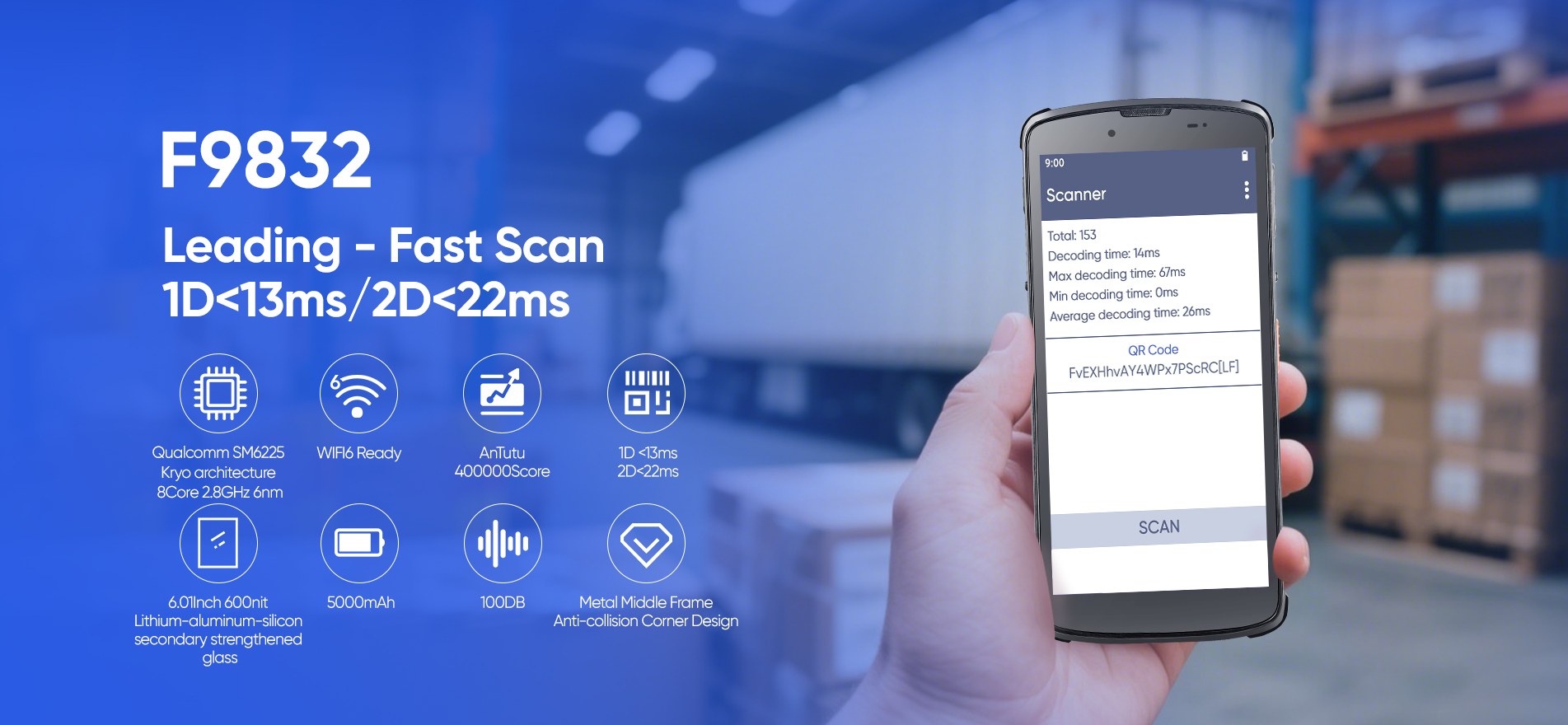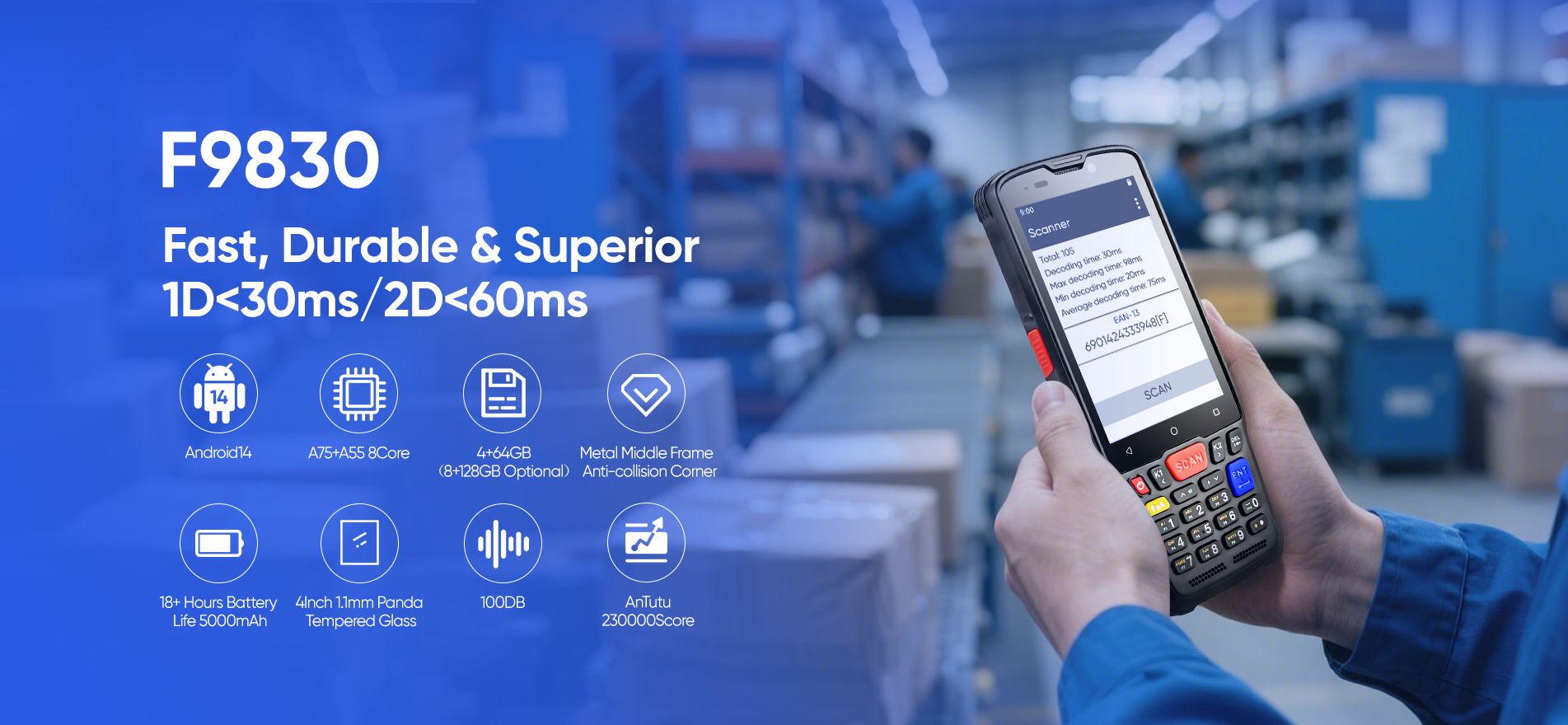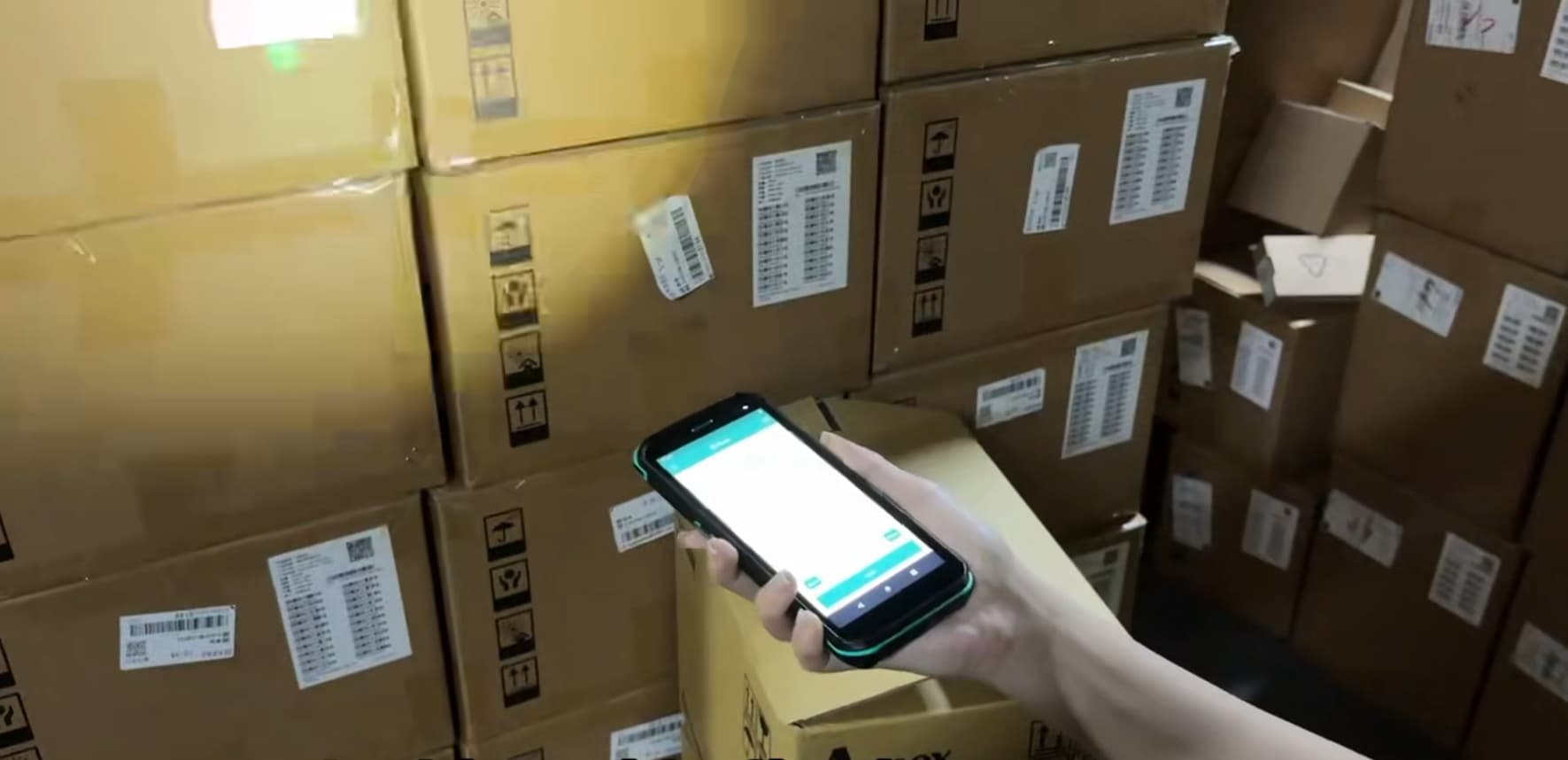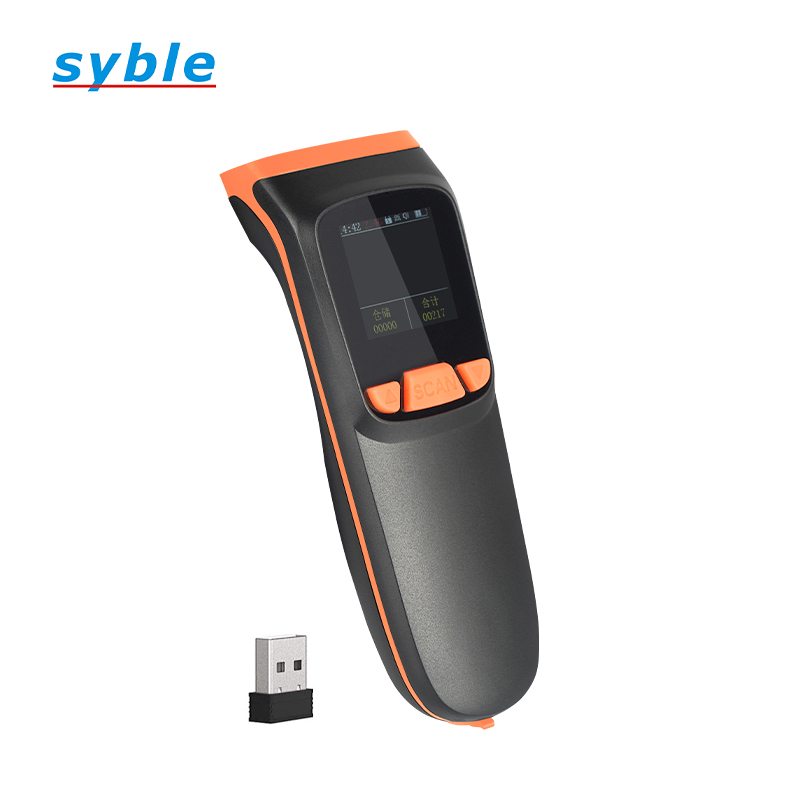
logistics industry
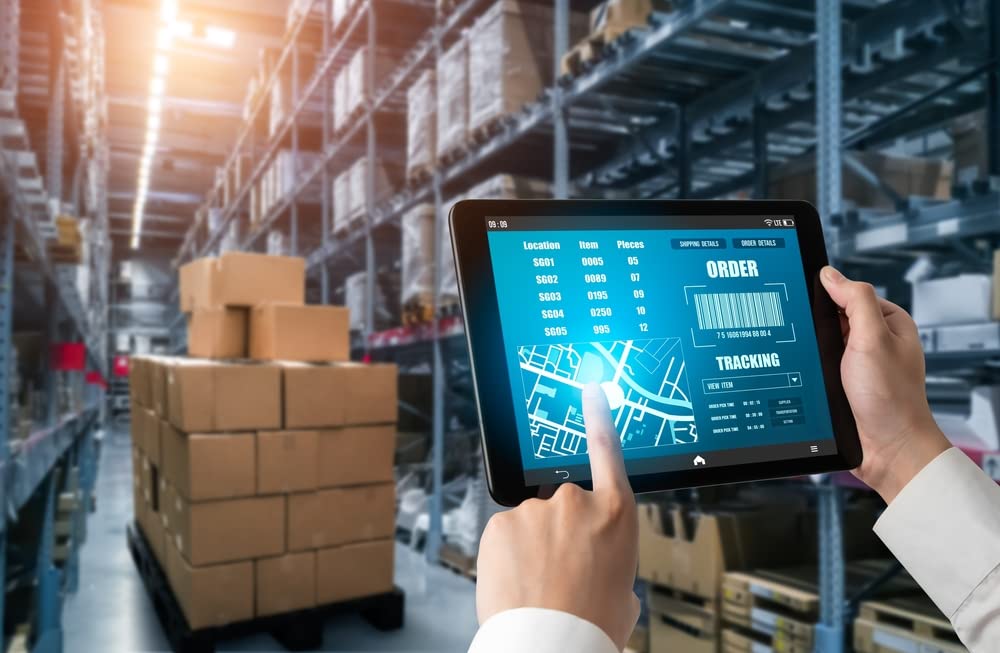
Its typical application is to wireless handheld terminal as a carrier, the use of data reading, scanning, GIS, RFID and other technologies, around the whole process of goods distribution, from the order pickup, warehousing, transportation, packet and sub-packet, distribution, delivery, signing and uploading, rapid recording of goods information and real-time uploading, rapid return, rejection and other abnormalities to confirm and deal with, as well as courier real-name authentication and so on.


PDA


Mobile Computers for industry logistics

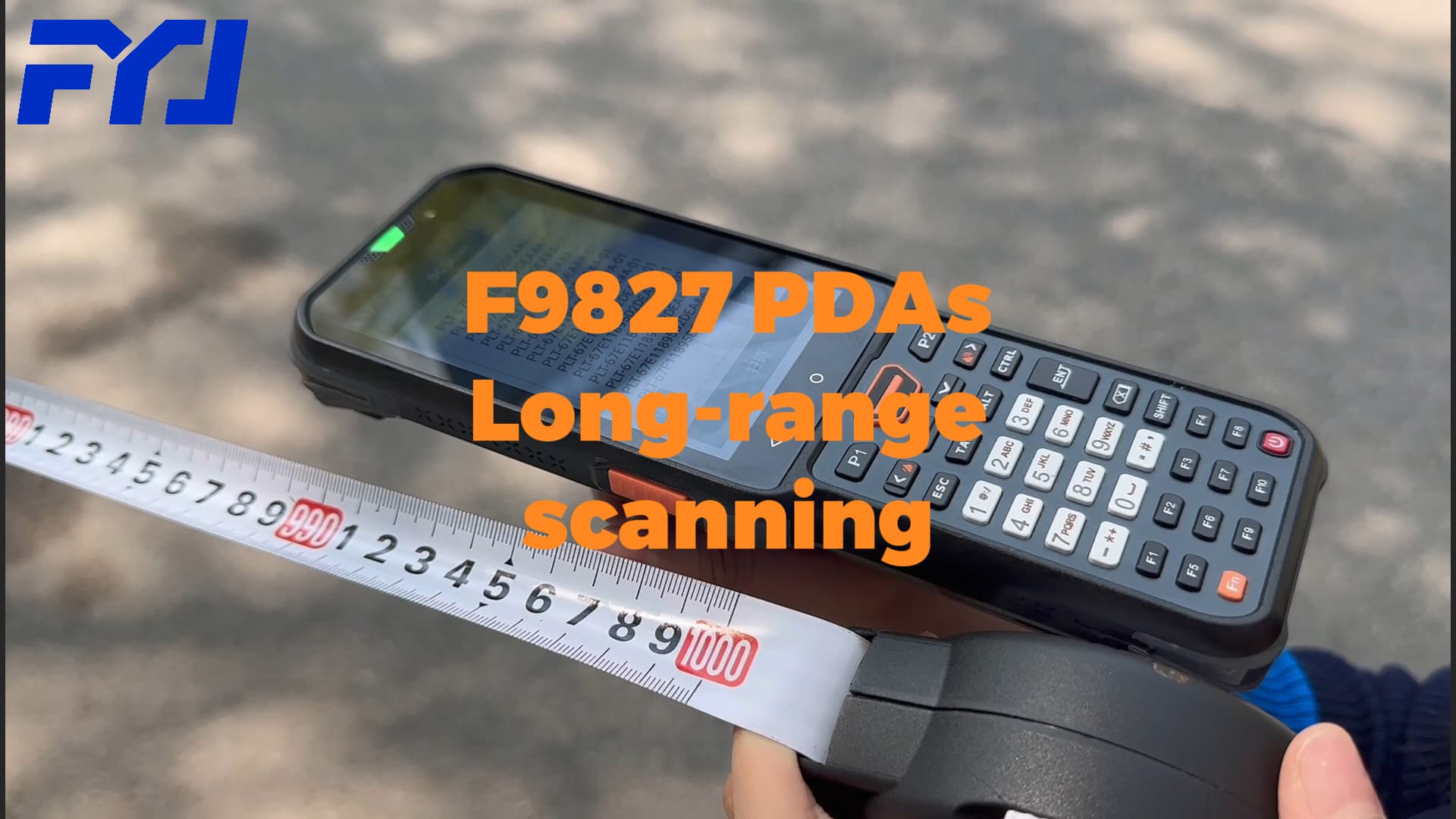
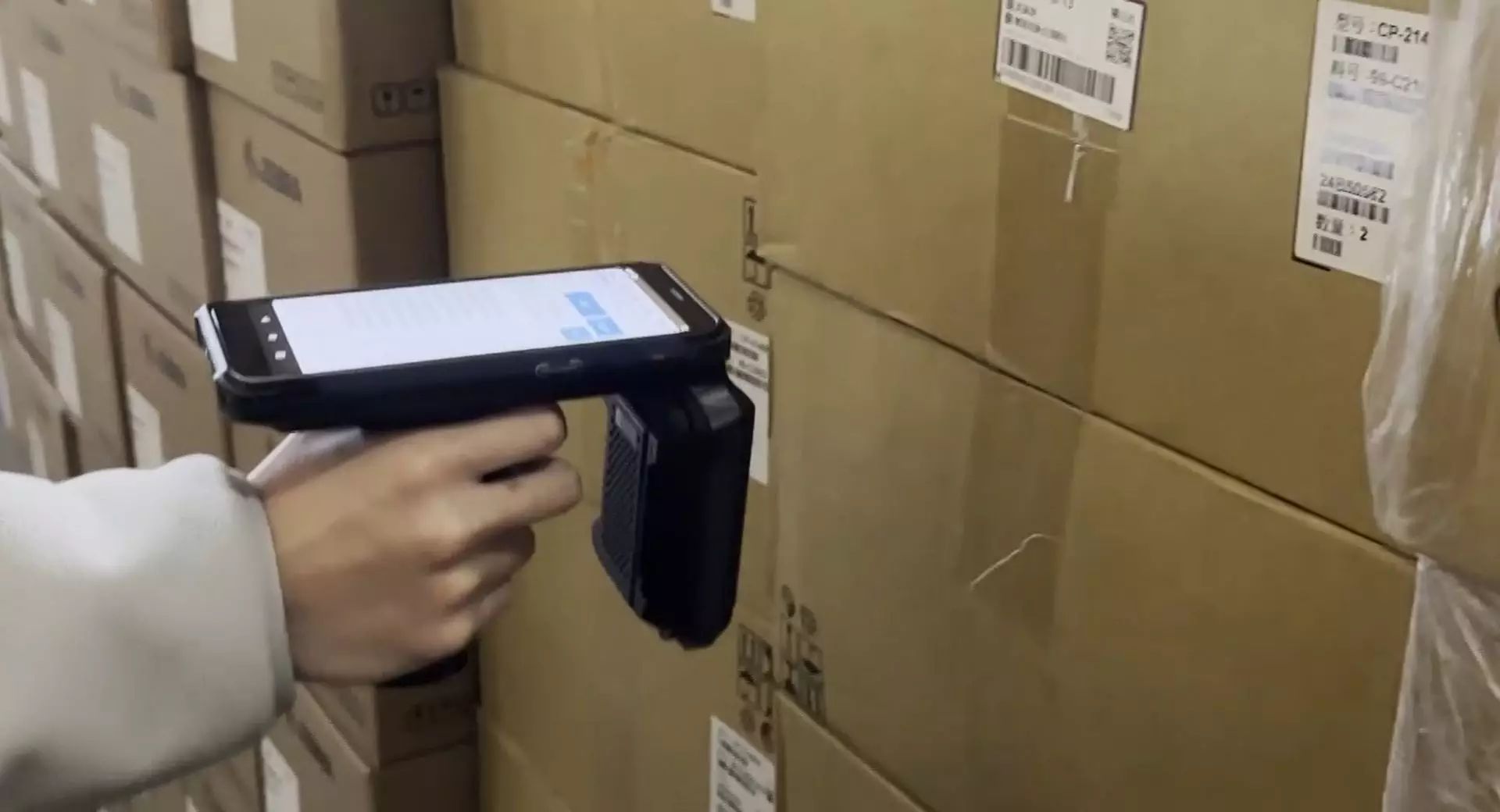
  Handheld scanner gun is a kind of handheld PDA, which is called Ba gun in logistics enterprises. Express company wireless scanning gun in the development trend of intelligent logistics has been widely used, its technical with automatic retrieval technology, wireless communication technology and database system integration integration, is the key development prospects of intelligent logistics information content fully automatic access and instant transmission.


Rapid verification of data files


Rapid verification of data files

  It is adjusted to the electronic computer document, and the scanning gun is applied to carry out the total number of goods to confirm, the type to confirm, to confirm immediately, and to carry out the checking of the bar code. Here according to the handheld PDA operation immediately change and confirm the backstage management data files, not only saves the backstage management electronic computer personnel into the entry and verification of the repeated whole process of documents, reducing the obligation stage, but also not easy due to the entry of incorrect and incorrect stock of the originality of the incorrect, to enhance the warehouse personnel's obligations and rights.


Precise location of cargo

  Accurately locate and place goods according to handheld PDA device markings. Enhance the utilization rate of the cargo space and the overall efficiency of its warehouse management. After the warehouse manager clearly puts forward the order to place, the system software automatically reminds the indoor space where the goods must be placed and the characteristics of the warehouse shelves, and even can immediately deliver the goods to the delivery area according to the order, which improves the high efficiency.


Efficient recording of logistics details


  Handheld PDAs enable immediate access to logistical details of the operational record relationship, such as delivery company arrival times, high efficiency, and characteristics of operating personnel and machinery and equipment.


Aggregation/verification of documentation information


  Handheld PDA has a separate product immediately to carry out a separate summary, accurate verification, immediate verification, to complete the summary of the role of a one-time. Prevent incorrect and delayed time because of the entry of documents, and its because of different personnel, different time, different methods, different situations of verification itself appears wrong, in addition to reducing the cost of copying a lot of documents produced by the cost of depletion.


- end -

The Challenges of Outdated Systems

Global enterprises face mounting pressure to digitize operations, yet many struggle with fragmented workflows, inefficient communication, and data silos. For example, logistics companies report 20% delays in last-mile deliveries due to manual inventory checks, while manufacturers lose $500,000 annually from production errors caused by outdated data collection methods. Legacy systems often lack visibility and analytics, leaving decision-makers blind to real-time operational insights. Additionally, poor battery performance in mobile devices and insecure app management practices expose businesses to downtime and cybersecurity risks


Unified Mobile Solutions for End-to-End Digitization

Modern mobile computer solutions bridge these gaps by integrating hardware, software, and cloud technologies. For instance:


  1. Rugged handheld terminals with hot-swappable batteries ensure 24/7 uptime in warehouses, while IP54/MIL-STD-810H certifications guarantee durability in harsh environments.
  2. Custom app development frameworks (e.g., Flutter, React Native) enable seamless service desk integration across iOS, Android, and IoT devices, reducing cross-platform compatibility issues by 40%.
  3. AI-driven analytics dashboards provide real-time visibility into supply chain bottlenecks, empowering teams to optimize routes and reduce operational costs by 30%.


Built for Performance and Security

Core features that define high-impact mobile computer include:


Battery Performance: 8,000mAh hot-swappable batteries with 18-hour runtime for shift workers.


Security: End-to-end encryption, GDPR/CCPA compliance, and security-from-the-ground-up protocols to safeguard sensitive data.


Hardware-Software Synergy: Android 13 OS with SDK customization for ERP/CRM integration, RFID/NFC scanning at 0.2s per read.


Cloud Compatibility: AWS/Azure integration for scalable data storage and app management via centralized platforms.


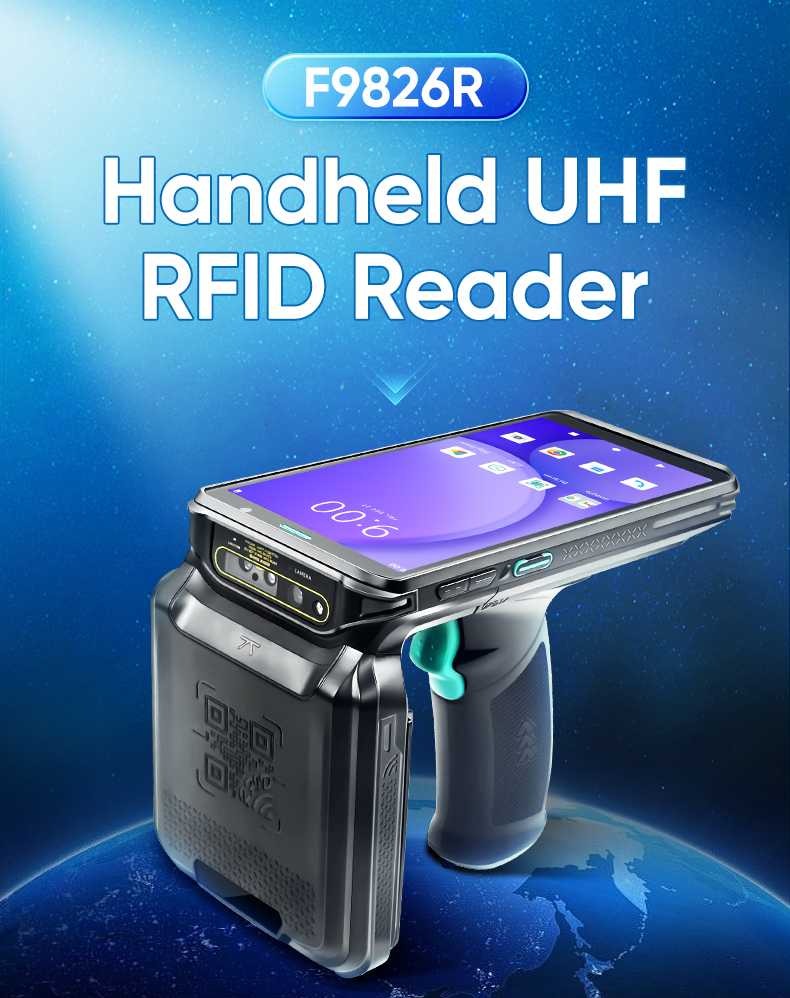
F9826 5G Mobile Computers


Handheld Terminal Real-World Success Cases

Global Logistics Giant: Deployed rugged PDAs with real-time analytics, cutting delivery errors by 90% and boosting customer satisfaction scores by 35%.


Automotive Manufacturer: Adopted IoT-enabled mobile computers for assembly line QA, reducing defects by 25% and accelerating time-to-market by 20%.


Retail Chain: Leveraged omnichannel app solutions to unify inventory data across 500+ stores, achieving 99.9% stock accuracy and 50% faster restocking cycles.


FAQ: Addressing Key Concerns

1.“How to choose between iOS and Android for enterprise apps?”

Prioritize cross-platform frameworks like Flutter for cost efficiency, but opt for native Android if hardware control (e.g., barcode scanning) is critical27.


2.“What ROI can we expect from mobile solutions?”

Businesses typically achieve 200% ROI within 12 months through reduced downtime, improved workforce productivity, and lower error rates511.


3.“How to ensure data security in mobile workflows?”

Implement zero-trust architectures, regular firmware updates, and role-based access controls


-end-

The Hidden Costs of Outdated Devices


Cold chain logistics demand precision, but outdated handheld terminals often fail in extreme conditions. Frost-covered barcodes, -30℃ environments, and frequent device freezes disrupt operations, leading to delayed shipments and inventory errors. Workers struggle with short-range scanners that miss high-shelf labels or batteries that die mid-shift. Worse, non-rugged devices crack under accidental drops, inflating maintenance costs.


Cold Chain Warehouses Mobile Computers 


As a trusted mobile computer supplier, FYJ understands these frustrations. Let’s explore how the F9827 Ultra redefines reliability.


Built for the Cold Chain’s Toughest Demands


The F9827 Ultra Cold Chain Handheld Terminal tackles every pain point:


  • -30℃ operational capability: Survives freezer-to-warehouse temperature swings.


  • 21m long-range scanning: Reads frosty or crumpled barcodes on high shelves effortlessly.


  • Hot-swappable 5200mAh low-temp battery: Ensures 12+ hours of uninterrupted work.


The F9827 Ultra Cold Chain Handheld Terminal PDA Mobile Computer


Combined with IP68 dust/water resistance and 1.8m drop protection, it’s engineered to slash downtime.


Technical Parameters: Why It Outperforms Competitors

Feature F9827 Ultra Standard PDA
Operating Temperature -30℃ to +50℃ -10℃ to +50℃
Battery Life 5200mAh (Low-Temp) 4000mAh (Fails Below -10℃)
Scanning Range 21m (High-Interference Mode) 8m (Ideal Conditions)
Certification ISO 9001, IP68 IP65
Bonus: Customizable keyboards and OEM service adapt to your workflow.


A Global Cold Chain Leader’s Success


A European frozen food distributor faced 30% scanning errors in -25℃ warehouses. After deploying the Industrial Mobile Computer for Cold Chain Warehouse (F9827 Ultra):


  • 99.8% scan accuracy achieved, even with frosted labels.
  • 35% faster order fulfillment due to seamless Wi-Fi 6/5G connectivity.
  • Zero device replacements in 12 months, cutting TCO by 40%.


FAQ: Addressing Key Concerns


1.“Will it fail in -40℃ storage?”

No. The PDA Handheld Device for Cold Chain supports -40℃ storage and boots instantly at -30℃.


2.“Can we integrate custom software?”

Yes. FYJ offers OEM service with Android 14 SDK compatibility.


3.“Is ISO certification available?”

Absolutely. The device holds ISO 9001 for quality management.


CTA: Optimize Your Cold Chain Today


As a top mobile computer supplier, FYJ delivers turnkey solutions. Request a FREE PDF spec sheet or inquire about bulk OEM service discounts:

📧 Email: nancy@fyj.net.cn | 📞 +8613418177085

Explore the Industrial Mobile Computer for Cold Chain Warehouse – where durability meets ROI.


Multi-Warehouse Operations


The Struggle of Multi-Warehouse Management

Imagine you are managing multiple warehouses, each with its own set of data entry systems. The basic inventory in one warehouse might be duplicated in another, leading to confusion and inefficiency. Logistics teams struggle to keep track of real-time data, and manual data entry often results in errors. This is where Mobile Computing and rugged handheld terminals come into play, offering a seamless solution to streamline operations.


The Solution: Rugged Handheld Terminals

Rugged handheld terminals are designed to withstand the harsh conditions of a warehouse environment. These devices, equipped with PDA and scanner capabilities, can quickly and accurately capture data. By integrating these terminals into your operations, you can eliminate data redundancy and ensure that all warehouses are synchronized in real-time. Mobile Computing not only enhances efficiency but also reduces the risk of human error, making your logistics more reliable.


mobile computing


Technical Specifications: Key Features

Our rugged handheld terminals come with advanced features tailored for multi-warehouse operations. They have high-resolution scanners that can read barcodes quickly, ensuring accurate inventory tracking. The devices are also equipped with durable casings to withstand drops and spills, making them ideal for warehouse use. With long-lasting batteries, these terminals can operate throughout the day without needing frequent recharges, ensuring continuous productivity.


Customer Case Study: Success in Action

One of our clients, a leading logistics company, was facing significant challenges with data redundancy across their multiple warehouses. After implementing our rugged handheld terminals, they saw a 30% reduction in inventory errors and a 25% increase in operational efficiency. The real-time data synchronization allowed their teams to make informed decisions quickly, leading to a smoother workflow and happier customers.


FAQ: Common Questions Answered

Q: How do rugged handheld terminals prevent data redundancy?

A: By synchronizing data across all warehouses in real-time, rugged handheld terminals ensure that each location has the most up-to-date information, eliminating the need for duplicate entries.


Q: Are these devices easy to use?

A: Absolutely! Our rugged handheld terminals come with intuitive interfaces and PDA functionalities that make them easy to operate, even for those who are not tech-savvy.


Q: Can these terminals withstand warehouse conditions? 

A: Yes, they are designed with durable casings to handle the rough and tumble of warehouse environments, ensuring long-lasting performance.


By adopting rugged handheld terminals, you can transform your multi-warehouse operations with Mobile Computing solutions that eliminate data redundancy and enhance overall efficiency. Experience the benefits today and see the difference for yourself!


mobile computing supplier

-end-

RFID Intelligent Fully Automated Warehouse Solution

···

01.Project Background

02.Industry Pain Points

03.Customer Needs

04.Solution

05.On-site Deployment

06.Project Benefits


RFID Intelligent Fully Automated Warehouse Solution


As an industry-leading RFID solution provider, our team focuses on customized RFID management solutions for various industries, helping enterprises/warehouses/factories to achieve a leap in management efficiency.


This time, our team for the China Railway Construction Group warehouse customized RFID intelligent warehouse management solutions to promote the warehouse from the traditional manual management mode towards intelligent automation management mode.

···

1

Project Background


Project name:China Railway Construction Group


Product category:construction work


Project address:Nansha, Guangzhou


Guangzhou Nansha District China Railway Construction Group, as a leader in construction engineering, undertakes numerous large-scale infrastructure construction projects and is well known in the industry for its excellent project management and quality of work.


RFID Intelligent Fully Automated Warehouse Solution

···

2

Industry Pain Points

RFID Industry Pain Points


3

Customer Needs


1、Customers need to realize fully automated warehouse management, used to improve the efficiency and accuracy of warehouse management

2、Need 2D Kanban intelligent console, real-time monitoring of the warehouse operation status

3、Integrated RFID technology, to achieve rapid identification and automation management


Our team combines customer needs with customized solutions to achieve fully automated inbound and outbound warehouse management, real-time monitoring of the warehouse, and help them to improve the efficiency and accuracy of warehouse operations.


4 

Solution

In response to customer needs, we provide the following RFID intelligent warehouse management solutions:


RFID automatic inventory management

1. RFID automatic inventory management

to achieve real-time update and data summary of goods in and out of storage, inventory information, all data visualization.


Goods identity empowerment

2. Goods identity empowerment

RFID chip and goods information intelligent matching, to realize the one-item-one-code accurate automated management.

 
Automated access to the warehouse

3. Automated access to the warehouse

with RFID sound and light alarms and channel RFID UHF read-write, to realize automated access to the warehouse

Intelligent Batch Inventory

4. Intelligent Batch Inventory

With RIFD handheld, it can realize efficient inventory.

2D Kanban Intelligent Console

5.2D Kanban Intelligent Console

real-time display of the operational status of the warehouse and key indicators, you can quickly understand the warehouse operation.


5 

On-site Deployment


01 Technician appointment for in-home installation and deployment

accurately defining the sensing range according to the actual layout of the warehouse.


Complete hardware installation and system debugging.


Technician appointment for in-home installation and deployment


02 Use Demonstration and Explanation

Through the detailed operation demonstration of the system and hardware


Help customers to familiarize with the use process of RFID solution.


RFID solution


03 One-on-one technical guidance

We provide specialized training and technical support to our customers and warehouse staff to ensure that they can quickly master the operation and efficient use of the RFID system.

Provide specialized training and technical support


Ensure that they can quickly master the operation of the RFID system and use it efficiently.


RFID system


04 Establishment of online service system platform

After door-to-door deployment, establish online after-sales service system that


Provide online guidance and after-sales service 7*12 hours a day, every day of the year.


online service system platform

···

6

Project Benefits


-Inventory efficiency increased by 120% -

-Inventory efficiency increased by 110%.


-Reduced error rate to 0.1%.


RFID intelligent fully automated warehouse solutions

Through RFID intelligent fully automated warehouse solutions

Significantly reduce the time to find, locate the goods position and goods information

Accelerating the speed of inbound and outbound warehouse flow

Improve the efficiency and accuracy of project management.


At the same time, electronic signage to achieve real-time data visualization of warehouse management

To synchronize the physical flow and data flow


Improve the overall management level

RFID intelligent and fully automated warehouse management solution

The RFID intelligent and fully automated warehouse management solution not only brings customers fully automated in/out warehouse management experience and improves the overall warehouse management level of China Railway Construction Group, but also lays a solid foundation for the future construction of intelligent warehousing.


-end-

What Is a 2D Barcode?


A 2D barcode (two-dimensional barcode) is a graphical representation of data that can be scanned and decoded using specialized devices or smartphones. Unlike traditional 1D barcodes, which store information in a linear format, 2D barcodes encode data both horizontally and vertically. This allows them to store significantly more information in a compact space, making them ideal for applications requiring high data capacity and versatility.

2D Barcode


Types of 2D Barcodes


There are several types of 2D barcode symbologies, each designed for specific applications:


1. QR Codes: Quick Response codes are the most recognizable type of 2D barcode, widely used for advertising, product tracking, and mobile payments.

2D Barcode Symbologies

2. Data Matrix Codes: These compact codes are used in industries requiring high data density, such as electronics manufacturing and logistics.

2D Barcode Benefits

3. PDF417: A stacked 2D barcode used for storing large amounts of data, often seen in government identification and shipping labels.

2D Barcode Applications

4. Aztec Code: Known for its high data capacity and error correction, Aztec codes are commonly used in transportation and ticketing.

FYJ 1D 2D Barcode Scanner


Benefits of 2D Barcodes


2D barcodes offer numerous advantages over traditional 1D barcodes:


High Data Capacity: They can store thousands of characters, including text, URLs, and even images.

Error Correction: Built-in redundancy ensures that the barcode remains readable even if partially damaged.

Versatility: They support various data formats and are compatible with modern devices like smartphones.

Compact Design: Despite their high data capacity, 2D barcodes require minimal physical space.


Applications of 2D Barcodes


applications of 2d barcodes


The versatility of 2D barcode technology makes it suitable for a wide range of industries:


Logistics and Inventory Management: Used for tracking products and managing supply chains.

Retail: Facilitates mobile payments, digital loyalty programs, and product information

Healthcare: Improves patient identification and medication tracking.

Event Management: Used for ticketing and access control.


The Future of 2D Barcodes

As technology continues to evolve, 2D barcode applications are expanding into new areas such as augmented reality, secure authentication, and IoT integration. Their ability to store complex data in a small space, combined with their compatibility with modern devices, ensures that 2D barcodes will remain a critical tool for businesses and consumers alike.


PDA supplier


-end -

What Is a Drop Test?

PDA Drop Test


Ensuring Rugged PDA Reliability in Demanding Environments

For researchers and field professionals relying on rugged PDA devices, durability isn’t a luxury—it’s a necessity. A drop test is a critical evaluation process that simulates real-world impacts to ensure handheld mobile computers can withstand accidental falls, a common occurrence in industrial, healthcare, and outdoor settings. By subjecting devices to controlled drops from specified heights onto hard surfaces, manufacturers validate their resilience, safeguarding both device functionality and user productivity.  


handheld computer


Understanding Drop Test Standards: Beyond the Basics

Drop testing protocols vary widely, but two benchmarks dominate the industry: MIL-STD-810G and proprietary standards like Zebra’s rigorous internal testing. MIL-STD-810G requires devices to endure 26 drops on all faces, edges, and corners, often from heights up to 4 feet, while Zebra’s tests go further—36 drops across three units at temperatures ranging from -20°C to 60°C. These tests ensure industrial-grade mobile computers remain operational even after extreme impacts, a vital feature for field technicians in logistics or environmental research.  


mobile computer


Design Innovations for Drop Resistance

Truly rugged PDAs are engineered from the inside out. Unlike “ruggedized” consumer devices, they eliminate fragile components like rotating hard drives, opting for solid-state storage and shock-absorbing aluminum stiffeners. Reinforced casings and chemically strengthened displays recessed below protective bezels further mitigate damage. For example, Conker’s Android devices withstand 50+ 1.2-meter drops without cracks, thanks to multi-layered structural designs. Such innovations ensure rugged handheld computers survive not just single impacts but repeated tumbles common in dynamic workflows.  

1.8m Anti-Drop Mobile Computer

Why Drop Testing Matters for User Experience

A device’s failure post-drop can disrupt critical operations, from inventory tracking in warehouses to patient monitoring in healthcare. Standards like IEC 60601-1 mandate medical-grade PDAs to endure 1-meter drops onto hardwood, ensuring no sharp edges or functional defects arise. Similarly, enterprise mobility solutions prioritize seamless post-drop performance—Zebra’s tests, for instance, immediately check for power loss or data corruption, aligning with real-world scenarios where uninterrupted operation is non-negotiable.  


Beyond Drops: Comprehensive Durability Testing

While drop tests are pivotal, they’re part of a broader ecosystem of ruggedness evaluations. IP67/IP68 ratings validate resistance to dust and water immersion, while vibration and extreme temperature tests replicate harsh environments like construction sites or Arctic expeditions. For example, Handheld Group’s devices undergo humidity cycles at 90% and sand exposure at high winds, ensuring holistic durability. These combined certifications make rugged PDAs indispensable tools for sectors demanding reliability under pressure.  

IP68 Barcode Scanner Device

Choosing the Right Rugged PDA: A Data-Driven Approach

When selecting a handheld mobile computer, scrutinize the testing specifics behind claims. A device labeled “MIL-STD-810G compliant” might only meet baseline criteria, whereas top-tier models exceed standards with higher drop counts, operational temperature ranges, and surface hardness variations. For instance, devices tested on concrete (vs. plywood) or subjected to tumble tests simulating real-world bouncing offer greater assurance of longevity.  


In high-stakes field operations, where equipment failure is not an option, the rigorous validation of rugged PDA devices through drop testing becomes a cornerstone of operational success. By investing in industrial-grade mobile computers that exceed MIL-STD-810G and IP68 standards, organizations not only mitigate downtime and repair expenses but also equip their teams with tools designed to endure real-world challenges. From warehouse inventory management to environmental research in extreme climates, these devices deliver consistent performance when it matters most. At FYJ, we engineer rugged handheld computers to thrive under pressure—tested for 8-foot drops, temperature extremes, and relentless field use. Discover how our enterprise mobility solutions can elevate your operational resilience and empower your workforce to achieve more, no matter the environment.


FYJ Mobile Computer Supplier


-end-

 
What Is a Barcode?


A barcode is a machine-readable language composed of black and white bars arranged in specific patterns. These patterns encode data such as product numbers, serial codes, or inventory details, enabling rapid and accurate information capture. Since their invention, barcodes have revolutionized industries by streamlining processes like retail checkout, asset tracking, and supply chain management. Today, over 225 types of one-dimensional (1D) barcodes exist, including widely adopted standards like UPC, EAN, Code 39, and Code 128.


The Anatomy of a Barcode

Every barcode contains three core components: a quiet zone (blank margins to signal scanning readiness), start/stop characters (indicating code boundaries), and data characters (the encoded information). The width ratio of bars and spaces, known as the "X dimension," ensures compatibility across scanners and printers. Advanced handheld barcode scanners, such as those integrated into modern industrial PDA devices, leverage these structural elements to decode data efficiently, even in challenging environments like warehouses or outdoor settings.


1D vs. 2D Barcodes: A Quick Comparison


Traditional 1D barcodes store data horizontally, ideal for simple identifiers like product SKUs. In contrast, 2D barcodes (e.g., QR codes) encode data both horizontally and vertically, offering higher capacity for complex information like URLs or batch details. While 1D codes remain prevalent in retail, industries adopting mobile inventory management tools increasingly rely on 2D codes for real-time data access and error-free logistics.


Why Barcode Scanning Technology Matters


Efficient barcode scanning minimizes human error and accelerates workflows. For businesses, integrating industrial PDA devices with high-precision scanners ensures seamless operations—from inventory audits to shipment verification. These rugged, portable tools are designed to withstand drops, dust, and extreme temperatures, making them indispensable in sectors like manufacturing, healthcare, and logistics.


Empowering Modern Workflows


Whether tracking assets in a warehouse or processing transactions in retail, barcodes bridge the gap between physical items and digital systems. By deploying handheld barcode scanners paired with intuitive software, companies unlock real-time visibility into their operations. For instance, mobile inventory management tools enable instant updates to centralized databases, reducing stockouts and optimizing supply chains.


Barcodes are more than black-and-white lines; they are the backbone of modern automation. Investing in robust scanning solutions like industrial PDA devices or mobile inventory management tools ensures businesses stay agile in a data-driven world. As technology evolves, these tools will continue to redefine efficiency, accuracy, and scalability across industries.


FYJ Mobile Computer Supplier


-end-

What Is Mobile Computing?


Exploring Its Evolution and Practical Applications


Mobile computing
is about enabling users to perform computing tasks and access information without being tied to a specific location, enhancing productivity and connectivity in a mobile world. They often include wireless technologies (e.g., Wi-Fi, Bluetooth, cellular networks) to maintain communication and access to the internet.


Mobile computing enables wireless data access, processing, and transmission via portable devices, transforming how industries operate by breaking geographical barriers. This technology empowers professionals to collaborate in real time, whether using smartphones or specialized PDA terminals (Portable Data Assistants). Sectors such as healthcare, logistics, and field services now rely on lightweight, durable tools designed for dynamic environments. As a leader in smart device production, we prioritize creating rugged, intuitive solutions that align with the evolving needs of mobile workforces.


4.3-inch Rugged Android 14.0 Industrial Handheld Terminal


The Growing Relevance of Mobile Solutions
With remote work and IoT integration becoming mainstream, dependable mobile computing systems are critical. For example, technicians use handheld devices to instantly upload repair logs, while retail teams leverage cloud-connected scanners for inventory management. These applications demonstrate how enterprise-grade mobility tools merge physical tasks with digital workflows. Yet challenges like intermittent connectivity, short battery cycles, and cybersecurity risks remain—issues tackled by modern industrial handheld terminals featuring reinforced casings, power-efficient designs, and end-to-end encryption.


PDA smart devices


Essential Traits of Next-Gen Mobile Devices
Today’s PDA smart devices blend portability with advanced capabilities. Multi-mode networking (5G, LTE, Bluetooth 5.2), all-day battery performance, and glare-resistant displays enable seamless operations in demanding settings. Customizable modules—such as barcode scanners, GPS trackers, or payment readers—allow businesses to adapt tools for specific roles. By deploying these mobile computing platforms, organizations minimize operational delays, accelerate task completion, and achieve measurable cost savings through scalable technology investments.


Security: A Cornerstone of Mobile Technology
Protecting sensitive data is non-negotiable for enterprises. Modern smart terminals integrate fingerprint recognition, TPM-based encryption, and centralized device management to counter unauthorized access. Industries handling confidential data, like banking or pharmaceuticals, require adherence to frameworks like PCI-DSS or ISO 27001. Our rugged handheld devices not only meet but surpass compliance benchmarks, incorporating self-healing firmware and real-time threat monitoring to address vulnerabilities—an essential layer of defense in today’s risk-prone digital landscape.


4


Emerging Innovations Shaping Mobile Computing
The fusion of AI and edge computing with mobile computing infrastructure is unlocking unprecedented efficiency. Envision PDA terminals that analyze sensor data to preempt machinery malfunctions or AR glasses providing step-by-step repair guidance. Meanwhile, 5G networks are enabling ultra-low latency for applications like autonomous drones or remote asset monitoring. Committed to smart device innovation, we continuously integrate these breakthroughs into our product lines, ensuring clients remain competitive in a fast-paced, data-driven economy.


Final Thoughts: Partnering for Mobile Success
Grasping the concept of mobile computing is only the beginning. Success hinges on deploying resilient PDA terminals, agile enterprise mobility systems, and versatile smart devices that align with unique operational needs. From automating warehouse processes to empowering frontline teams, purpose-built hardware drives tangible outcomes. Discover our portfolio of ergonomic, mission-ready tools engineered to outperform in environments where standard devices falter. Transform your workflows with technology that marries precision, adaptability, and enterprise-grade resilience.


FYJ PDA Mobile Computer Handheld Terminal Supplier

-end-


The Daily Struggle: When Manual Data Entry Costs You Thousands


Imagine warehouse staff squinting at smudged shipping labels under dim lighting. Logistics managers manually typing invoice details for hours, averaging 2 hours daily on data entry alone. Outdoor field technicians transcribing equipment serial numbers in rain-soaked notebooks. These aren’t minor inefficiencies—they’re profit drains. Research shows manual entry errors cost businesses up to $4.50 per page in corrections and delays. For global industries like logistics or manufacturing, these losses scale into millions annually.  


OCR Explained: Beyond Simple Text Scanning

Optical Character Recognition (OCR) converts images of text—whether printed, typed, or handwritten—into machine-readable data. Unlike basic barcode scanners limited to predefined patterns, OCR extracts any alphanumeric characters from complex surfaces like weathered metal plates, stained invoices, or curved packaging. Modern OCR leverages AI-driven Intelligent Character Recognition (ICR) to handle diverse fonts, languages, and even cursive handwriting, adapting to real-world industrial chaos.  


FYJ F9830 OCR scanner mobile computers


Why Industrial-Grade OCR Devices Outperform Software-Only Solutions

Generic OCR apps fail in harsh environments. Industrial OCR mobile computers integrate specialized hardware to overcome these challenges:  

Performance Metric Consumer Mobile OCR Industrial OCR Handheld
Recognition Speed 2-5 seconds per page 0.3 seconds per page
Low-Light Accuracy ≤65% 98% (with IR illuminator)
Drop Resistance 1.2 meters 3 meters** (MIL-STD-810H)
Battery Life 4-6 hours 12+ hours** (hot-swappable)


These devices combine multi-core processors, high-resolution cameras (e.g., 8MP with autofocus), and IP65-rated housings to withstand dust, moisture, and impacts in warehouses or outdoor sites. 


Real-World Impact: OCR in Global Operations

- Logistics China: Deployed OCR-enabled FYJ F9830 mobile computers to scan shipping labels and invoices. Reduced parcel sorting time by 70%, cutting annual labor costs by $280K. Text recognition accuracy reached 99.5% even on torn labels.  


- Brazilian Mining Operator: Used rugged OCR handhelds to digitize equipment maintenance logs. Field technicians captured serial numbers and safety checks offline, syncing data via Wi-Fi. Eliminated 400+ manual hours monthly and reduced inspection errors by 62%.  


FYJ F9830 OCR reader mobile computers


FAQs: Addressing Industrial Buyers’ Top Concerns

Q: How does OCR differ from barcode scanning?

A: Barcodes require predefined symbology (e.g., QR codes). OCR reads any visible text—serial numbers, dates, handwritten notes—without pre-encoding. Combine both in hybrid devices for maximum flexibility.  


Q: Can OCR work offline in remote areas?

A: Yes. Industrial OCR mobile computers process data locally via on-device AI chips. No cloud dependency—ideal for ships, oil rigs, or rural sites.  


Q: What about smudged or low-contrast text?


A: Advanced preprocessing algorithms despeckle, deskew, and binarize images in real-time. Feature extraction (not template matching) enables reading faded ink or distorted text.  


Future-Proof Your Workflow: The OCR Advantage

With the OCR market surging to $43B+ by 2032 (20% CAGR in logistics), adopting industrial-grade OCR isn’t optional—it’s strategic. Embedded OCR scanners in PDAs and handheld terminals transform paper-based workflows into automated, auditable digital streams. From warehouse invoice processing to field asset tracking, reducing manual entry costs by up to 80% isn’t hypothetical—it’s measurable.  


Ready to eliminate manual data errors? → [Request a Custom OCR ROI Calculator for Your Industry]


OCR Mobile Computing Supplier


-end-