What Is RFID?
A Comprehensive Guide to Modern Tracking Technology


What is RFID Technology?


Radio Frequency Identification (RFID) is a wireless technology that uses electromagnetic fields to identify and track objects automatically.

Unlike traditional barcodes, RFID enables non-line-of-sight scanning and simultaneous reading of multiple tags, even in harsh environments.

This capability makes it indispensable for industries like logistics, healthcare, and retail, where real-time visibility and operational efficiency are critical.

RFID technology in mobile computing has further expanded its applications, allowing businesses to integrate tracking solutions with handheld devices for seamless workflows.


How RFID Enhances Enterprise Operations?


At the core of RFID systems are handheld RFID solutions for enterprises, which combine portability with advanced data capture.

These devices, such as Android-based RFID mobile computers, leverage intuitive interfaces and customizable apps to streamline tasks like inventory audits and asset tracking.

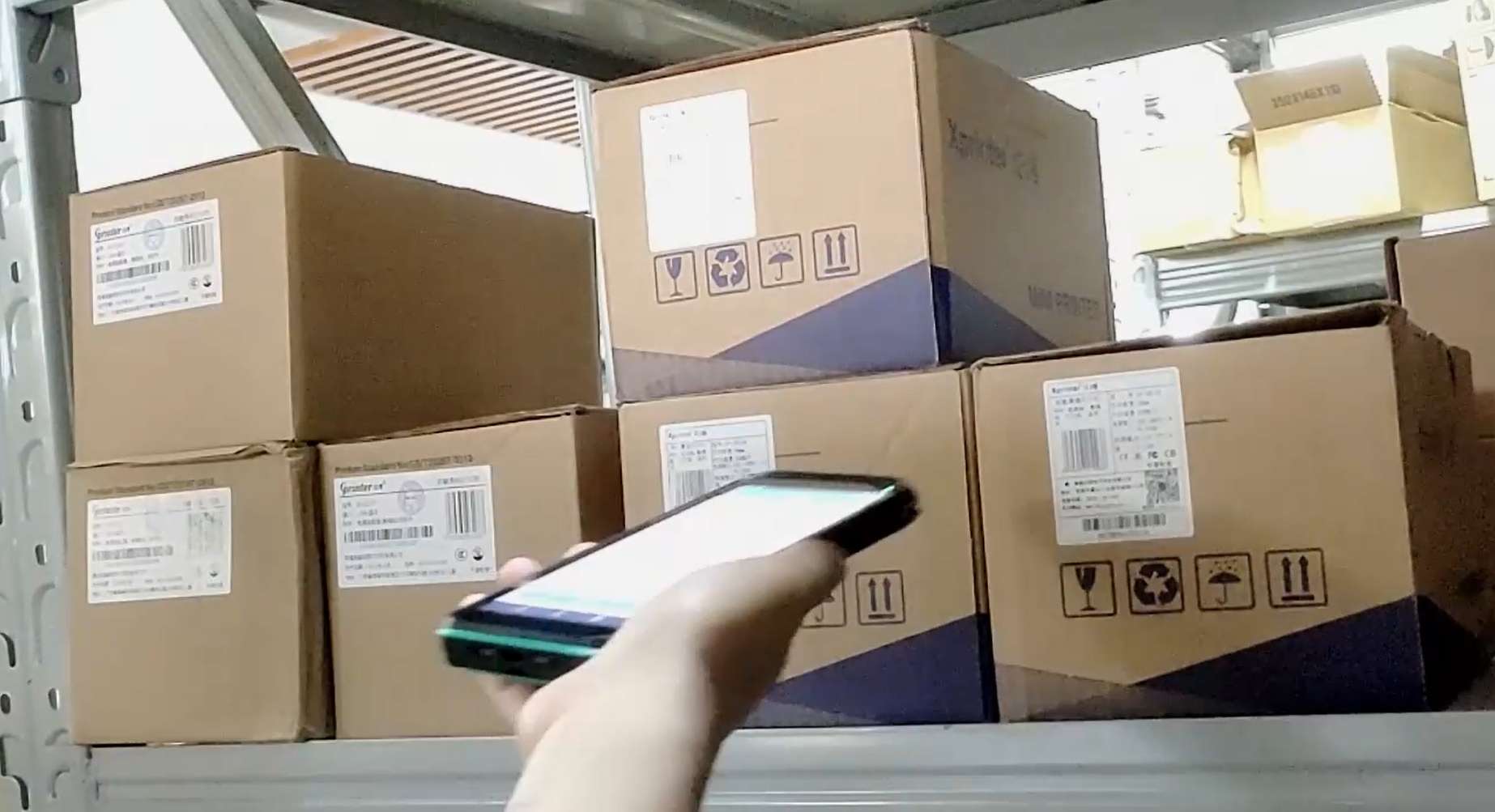
For example, retail workers using mobile RFID readers can scan hundreds of items in minutes, reducing stock discrepancies by up to 90%.

The integration of RFID with enterprise-grade hardware ensures durability in demanding environments, such as warehouses or manufacturing floors.
handheld RFID solutions for enterprises

Cost-Effective Upgrades with RFID Sleds


For businesses seeking flexibility, RFID sleds offer a modular approach to upgrading existing devices.

These accessories transform standard handheld mobile computers into powerful RFID scanners, eliminating the need for costly hardware replacements.

The benefits of RFID sleds include extended read ranges, compatibility with multiple tag types, and rugged designs suited for industrial use.

Companies like Zebra and Honeywell provide sleds that withstand drops, moisture, and dust, making them ideal for logistics or field service teams.


RFID in Action: Transforming Key Industries


Enterprise asset tracking with RFID is revolutionizing sectors like healthcare and logistics.

Hospitals deploy rugged handheld computers with RFID to locate critical equipment, reducing search times by 70%.

In supply chains, RFID-enabled devices track pallets from warehouses to retail shelves, ensuring accuracy and reducing delivery delays.

A notable example is Walmart’s success in overcoming RFID tag reading challenges on bottled water—a breakthrough achieved through optimized tags and antenna layouts.
 

RFID technology in mobile computing

Choosing the Right RFID Solution


Selecting an RFID system depends on factors like read range and environmental conditions.

Passive tags suit high-volume applications like retail, while active tags excel in large-scale facilities.

For adaptability, Android-based RFID mobile computers paired with sleds provide a balanced solution.

Brands like CILICO and Feasycom offer devices with long battery life and cloud integration, enabling real-time data synchronization for enterprise asset tracking with RFID.


RFID technology empowers businesses to achieve unprecedented efficiency and accuracy. By adopting handheld RFID solutions for enterprises or integrating RFID sleds, organizations can optimize workflows and reduce operational costs. As industries embrace IoT-driven innovations, RFID remains a cornerstone of digital transformation, proving its value in everything from retail inventory to global supply chains.



FYJ RFID Reader Supplier


-end -


1D/2D
1D codes are linearly arranged barcodes that store limited data (e.g., numbers) through black and white stripes, and are mainly used for commodity identification; 2D codes are two-dimensional matrix graphics that can store more complex information (e.g., text, links), support multi-directional scanning, and are widely used in mobile payment, data tracking, and multimedia interaction


    For those who are not very familiar with the concept of scanner guns, they may not know that there are one-dimensional and two-dimensional scanner guns, and they do not understand the difference between the two.


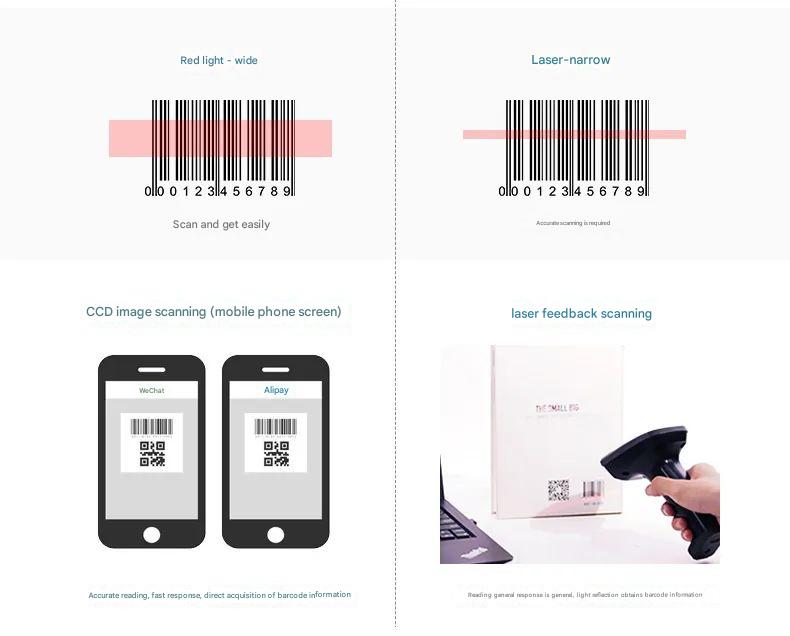
In fact, bar code scanner gun in addition to one-dimensional and two-dimensional points, there are red light and laser points, wired and wireless points.


1. One-dimensional and two-dimensional differences

One-dimensional code is a line composed of recognizable information (used in supermarkets, express delivery, drugstores, bookstores, etc.)

Two-dimensional code is a geometric figure in accordance with a certain law graphically composed of recognizable information (used in various types of information records, etc.)


2. Red Light and Laser Difference

The working principle of the red light scanner gun: LED light-emitting diode light source, rely on CCD or CMOS photoreceptors, read accurate, fast response, wide light.

The working principle of the laser scanner gun: by the internal laser device to shine a laser point, relying on the vibration motor swing will be a laser point into a laser line light in the bar code, and then through the A-D decoding into a digital signal, narrow light needs to be more accurate scanning, reading the general response in general.


FYJ - 8603 Barcode Scanner Gun

The FYJ - 8603 is a high - performance 2.4G 1D/2D barcode scanner, designed for efficient and accurate data capture in various retail and logistics environments. With its robust build and advanced scanning technology, the FYJ - 8603 ensures reliable performance, making it an ideal choice for businesses seeking to enhance productivity and streamline operations.

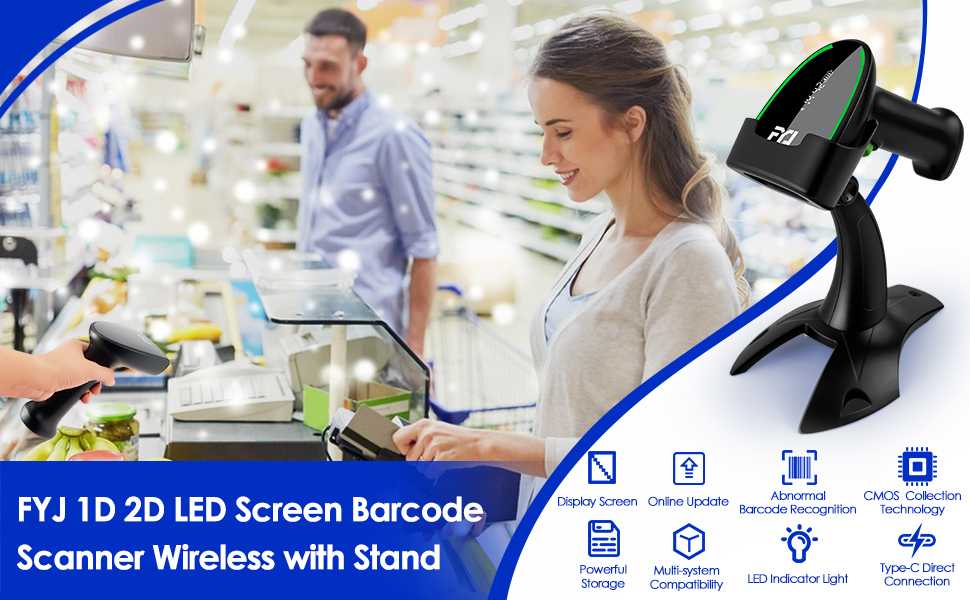
FYJ 1D 2D LED Screen BarcodeScanner Wireless with Stand

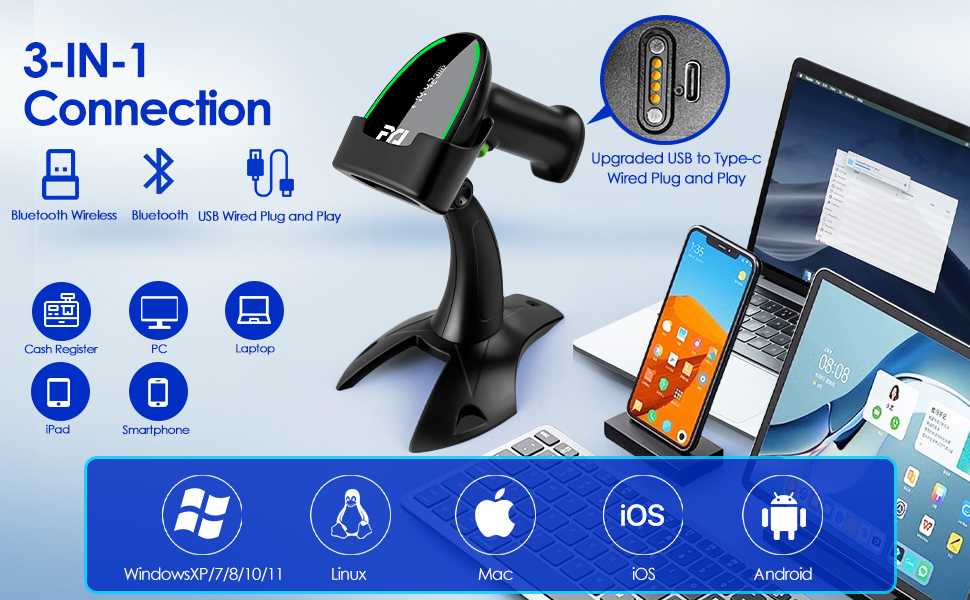
3-IN-1 Connection Scanner


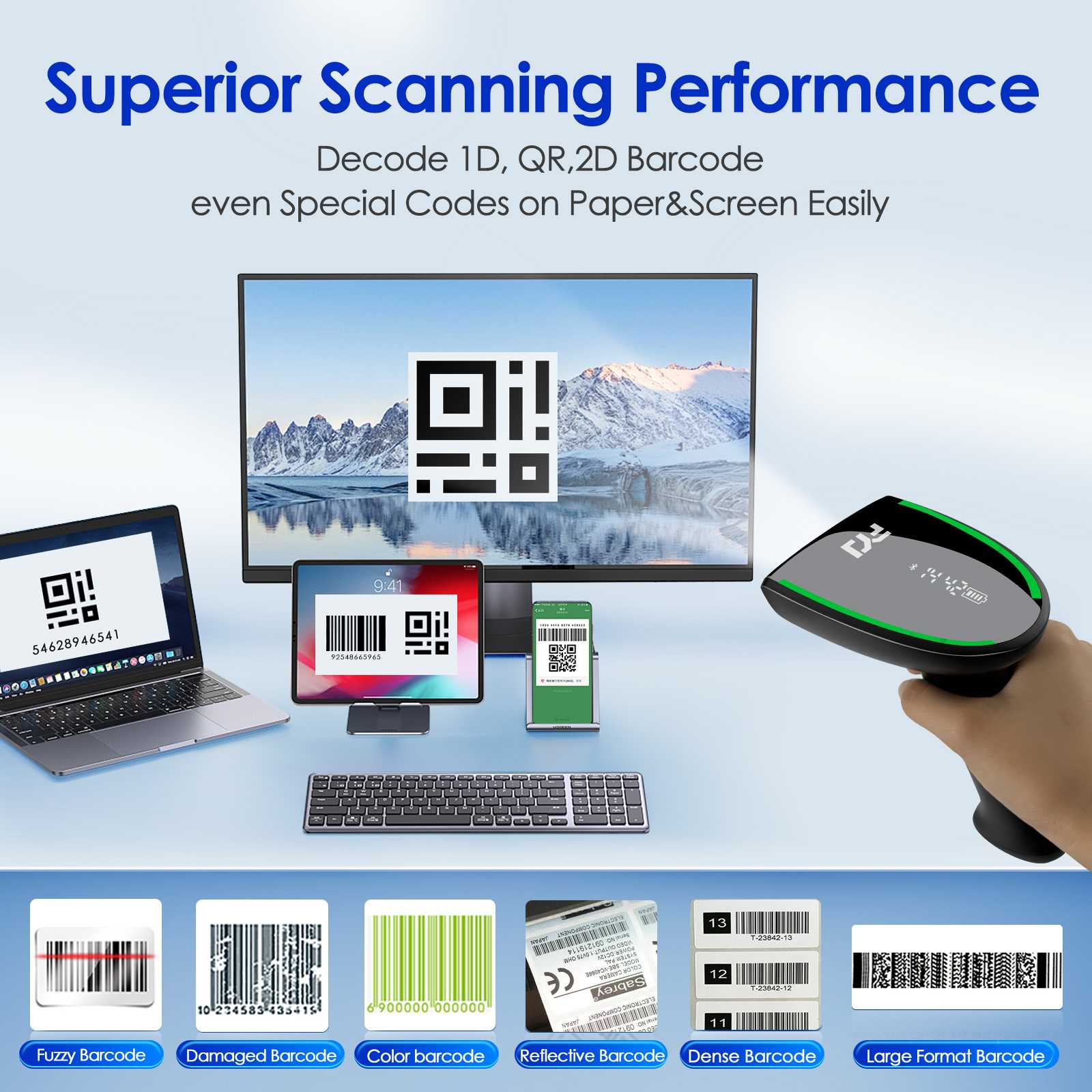
FYJ Superior Scanning Performance Scanner


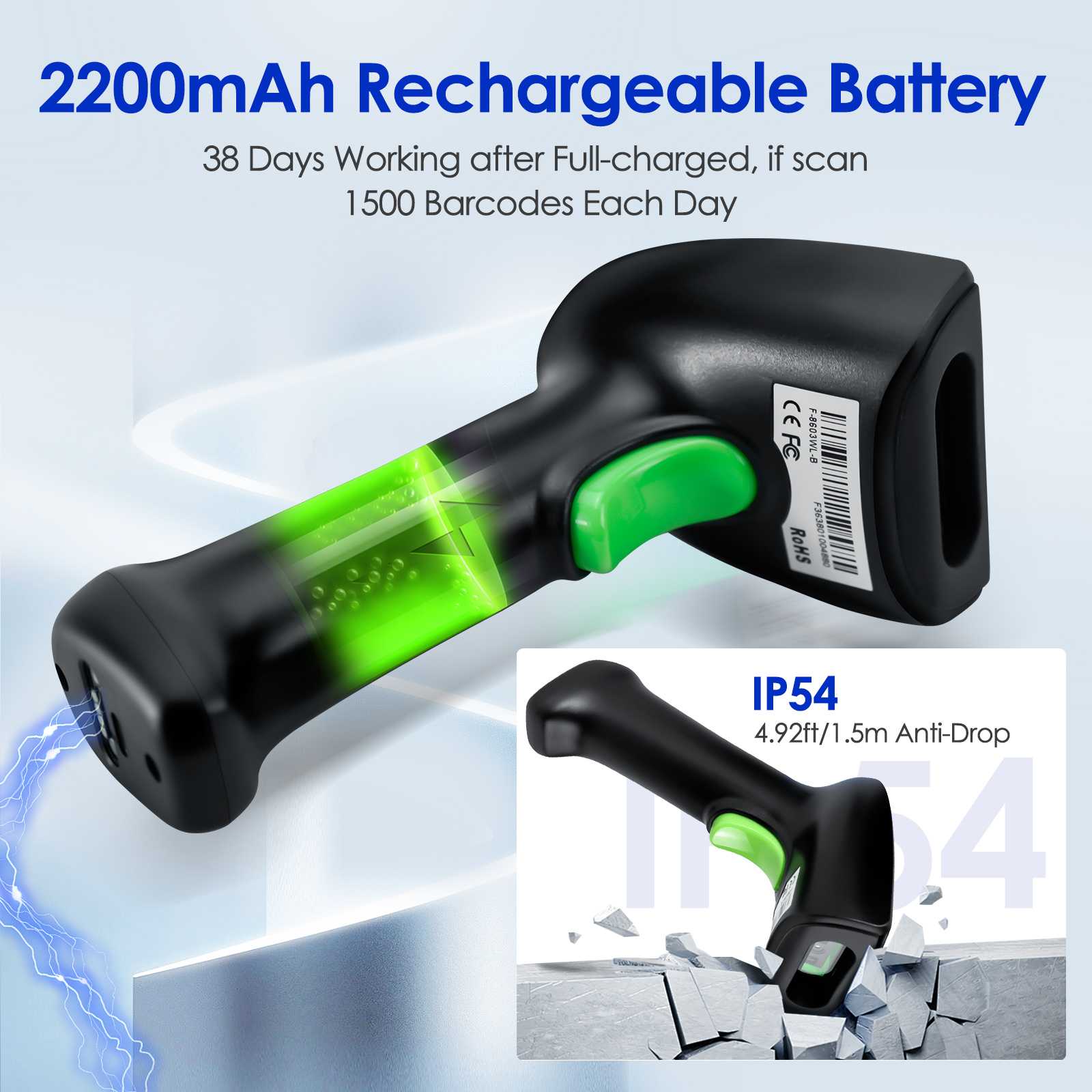
2200mAh Rechargeable Battery Scanner

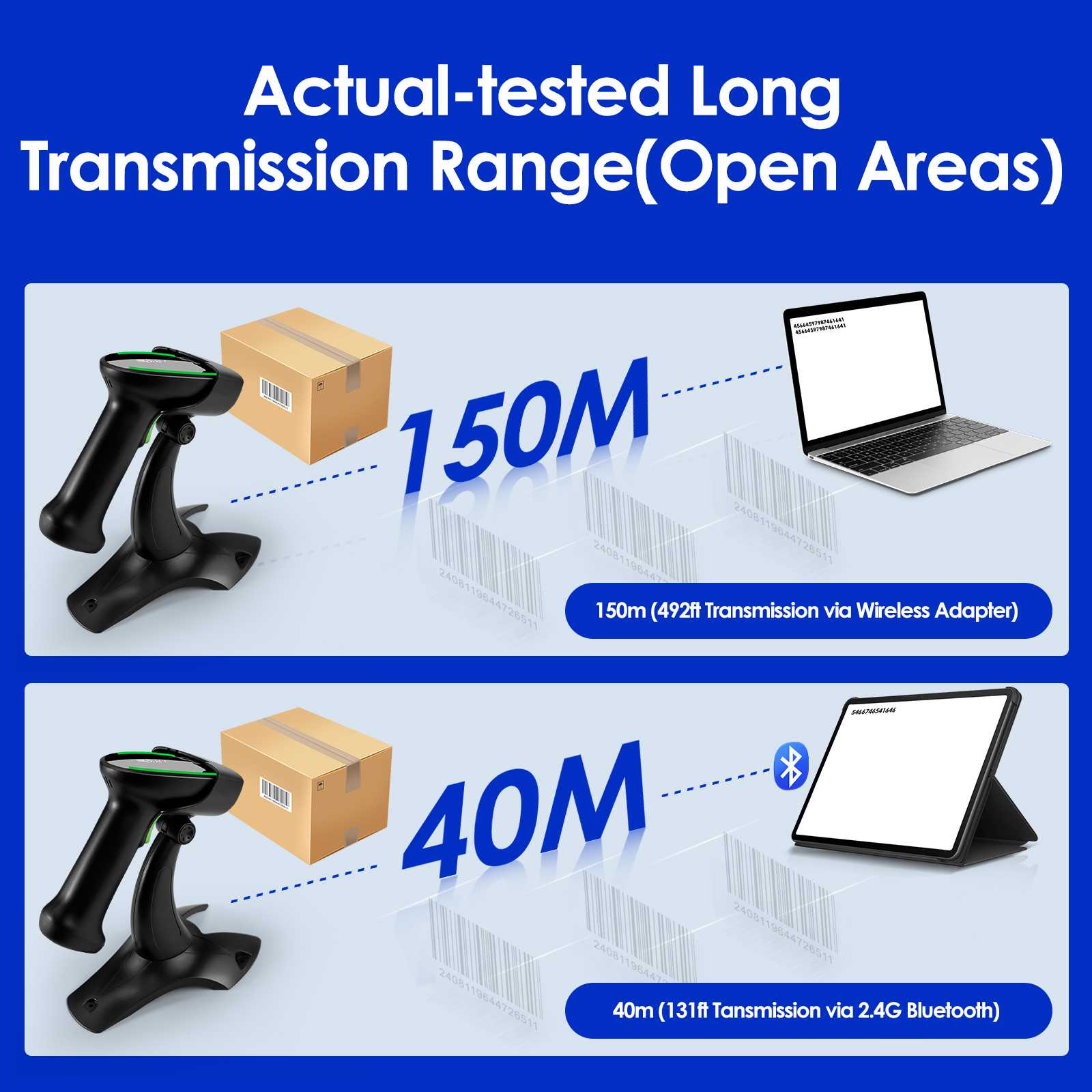
Scanner Actual-tested longTransmission Range(open Areas)


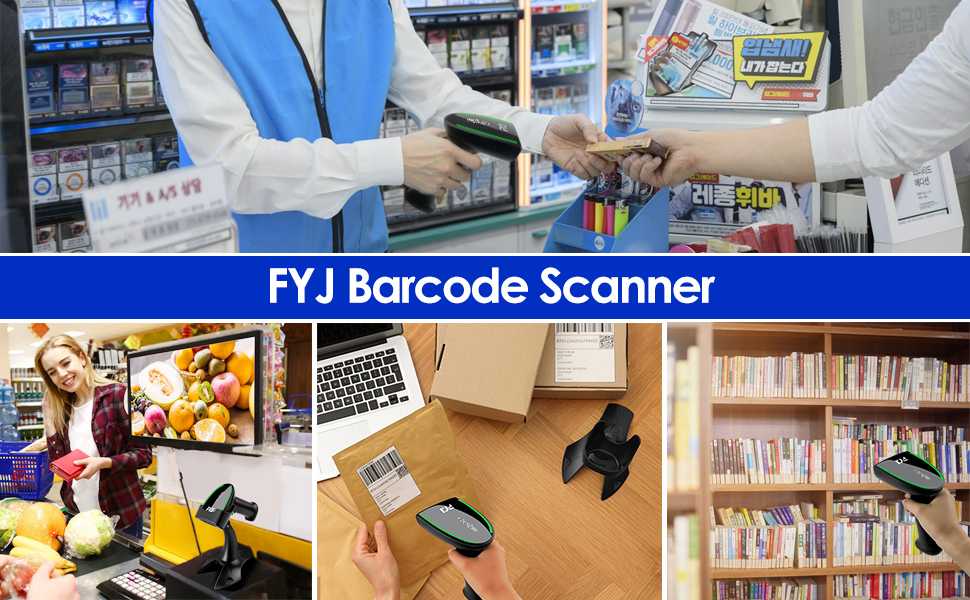
FYJ Barcode Scanner


FYJ Barcode Scanner Supplier

The Challenges of DPM Code Scanning in Industrial Environments


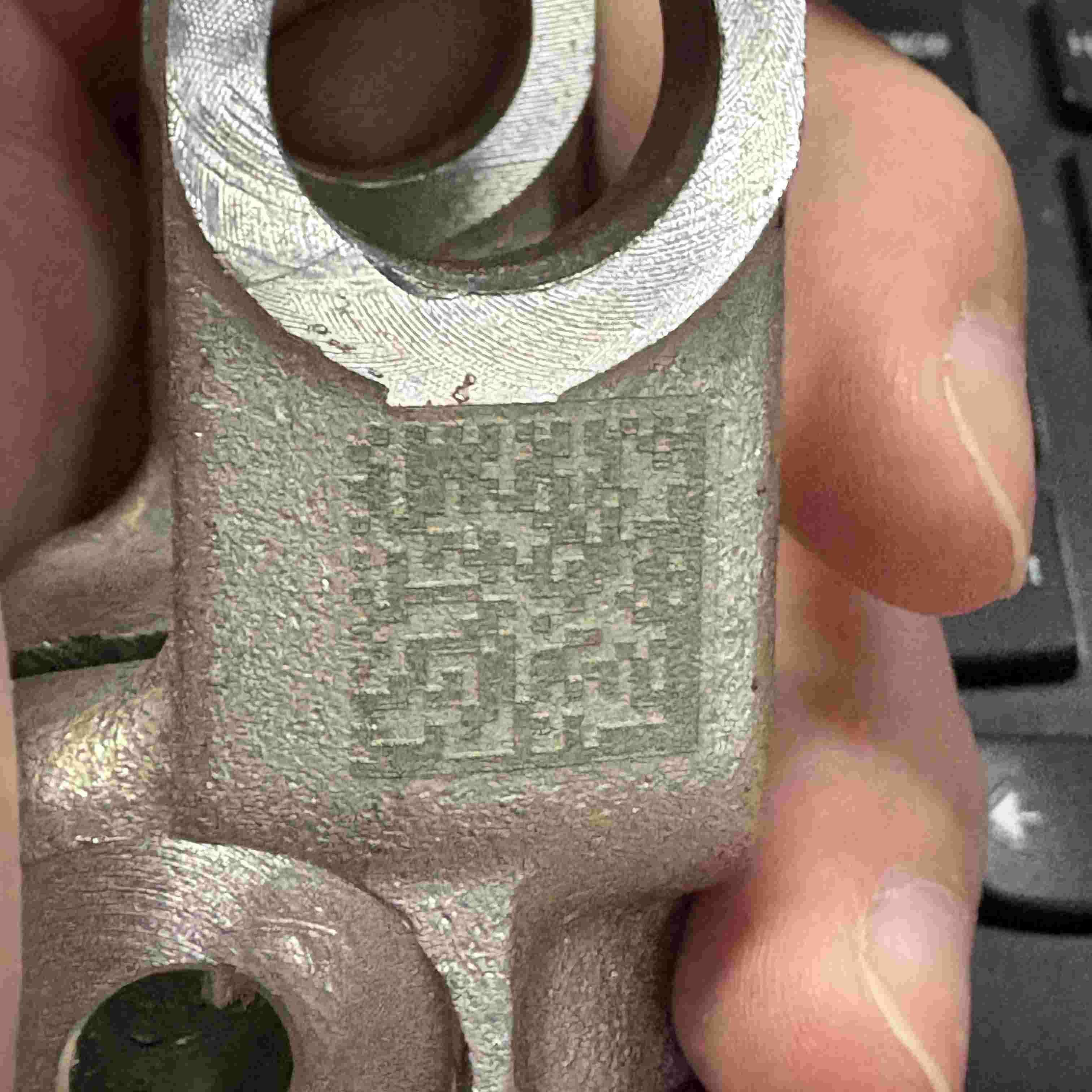
In industries like automotive, electronics, and logistics, direct part marking (DPM) codes—laser-etched or dot-peened on metal surfaces—are critical for traceability. However, common pain points include:


Low readability due to reflective surfaces, curved shapes, or tiny code sizes (e.g., 1.2x1.2mm)7.


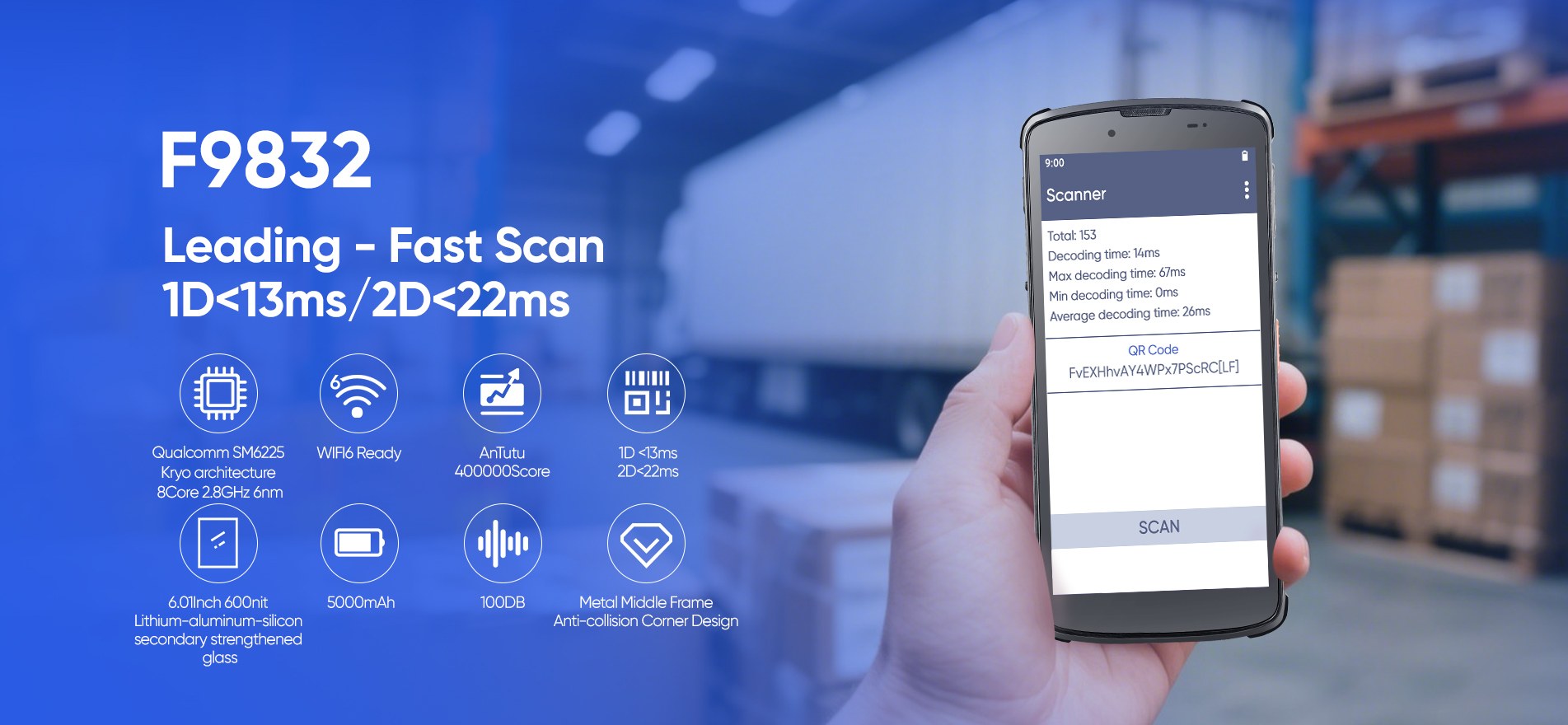
Slow scanning speeds causing production bottlenecks (e.g., traditional devices take 70ms for 1D codes vs. F9832’s 13ms)1.


Device fragility in harsh environments, leading to frequent repairs and downtime6.


Incompatibility with gloves or wet conditions, limiting operational flexibility5.


For global manufacturers, these issues translate to higher costs, delayed deliveries, and compliance risks.


Solution: The F9832 DPM Code Scanning Handheld Terminal


Engineered for industrial resilience and precision, the F9832 addresses these challenges with:


Advanced DPM decoding: Proprietary algorithms and multi-light illumination (white/red/blue) adapt to reflective, curved, or low-contrast surfaces, achieving 99%+ accuracy even on 1.2mm codes.


Ultra-fast scanning: 13ms for 1D codes and 22ms for 2D codes—up to 6x faster than competitors.


Rugged design: IP65/IP67 ratings, 1.5m drop resistance, and 10,000+ drop tests ensure durability in extreme conditions.


Glove- and water-friendly operation: Industrial-grade capacitive touchscreen and sealed ports enable reliable use in wet or dusty environments.


As a leading handheld terminal supplier, FYJ ensures compliance with ISO certifications and offers OEM services for tailored integrations.


Technical Specifications: Built for Industrial Demands


The F9832 combines cutting-edge hardware and software:


Processor: Qualcomm Snapdragon SM6225 (8-core, 2.8GHz) for seamless multitasking.


Battery: 5000mAh with QC3.0 fast charging, supporting 24-hour continuous use.


Connectivity: Wi-Fi 6, Bluetooth 5.0, and 4G LTE for real-time data sync.


Display: 4.0” IPS screen with glove/wet-touch support.


Certifications: CE, RoHS, IP65/67, and ISO 9001 for global compliance.


This industrial mobile computer for DPM code is ideal for automotive part tracking, pharmaceutical serialization, and warehouse management.


DPM Code Scanning Mobile Computer F9832


Client Case Study: Streamlining Automotive Manufacturing


A European automotive supplier faced 30% rework rates due to unreadable DPM codes on engine components. After deploying the F9832:


Scanning efficiency improved by 50%, reducing assembly line delays.


Rework costs dropped by 80% thanks to 99%+ read rates on curved metal parts.


Battery life exceeded 20 hours, eliminating shift-change downtime.


The client now uses F9832 across 15 factories, citing its “unmatched reliability in harsh environments”.


FAQ: Addressing Key Concerns


1.Is it suitable for medical-grade applications?

Absolutely. A medical edition with antimicrobial coating and ISO 13485 compliance is available.


2.How does it handle tiny DPM codes?

Its 130MP BSI sensor and sBoost algorithm enhance clarity for sub-2mm codes.


3.What certifications ensure global acceptance?


CE, RoHS, FCC, and ISO 9001/13485 certifications guarantee compliance.


Upgrade Your Traceability with the F9832


As a trusted mobile computer supplier, FYJ delivers DPM PDAs handheld devices for industrial use that balance speed, durability, and precision. Request a demo today to see how the F9832 transforms your operations.


PDA Supplier

-end-

Pain Point Scenario


Healthcare facilities worldwide struggle with manual data entry errors, frequent device failures in corrosive environments, and non-compliance with UDI regulations. These inefficiencies delay patient care, increase costs, and expose organizations to regulatory risks.


Healthcare facilities worldwide struggle with manual data entry errors


Solution: F9825M Healthcare Mobile Computer


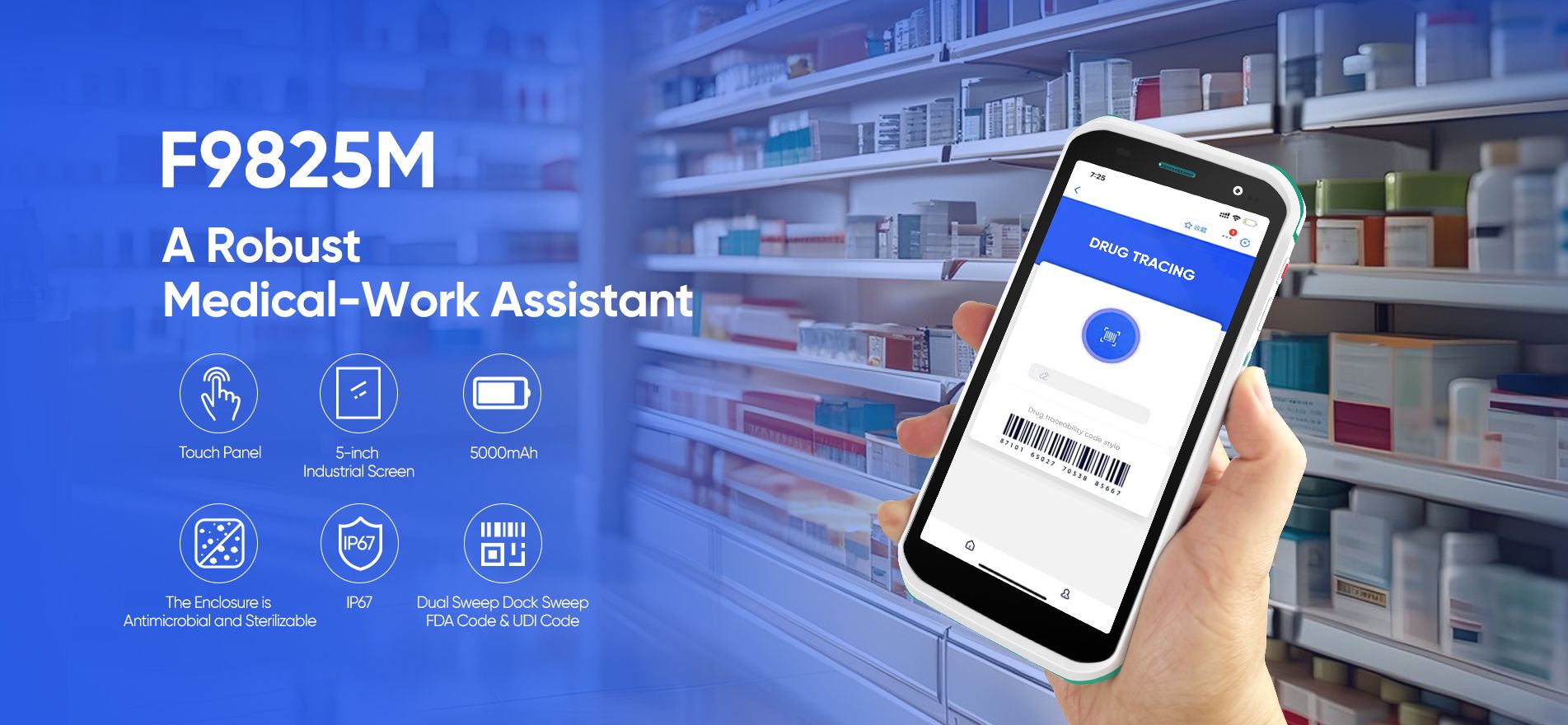
Built for medical precision, the F9825M combines chemical-resistant IP67 housing with dual-mode barcode scanning (Pharmacode + UDI). Seamless integration with hospital management systems eliminates manual workflows, while its OEM service flexibility ensures tailored solutions for diverse needs.


F9825M Healthcare Mobile Computer


Technical Specifications


Scan Speed: 200 scans/sec (2x faster than competitors)


Compliance: Full UDI (GS1/HIBCC) + ISO 13485 certification


Durability: Resists alcohol, bleach, and extreme temperatures


Battery Life: 18-hour runtime for uninterrupted shifts


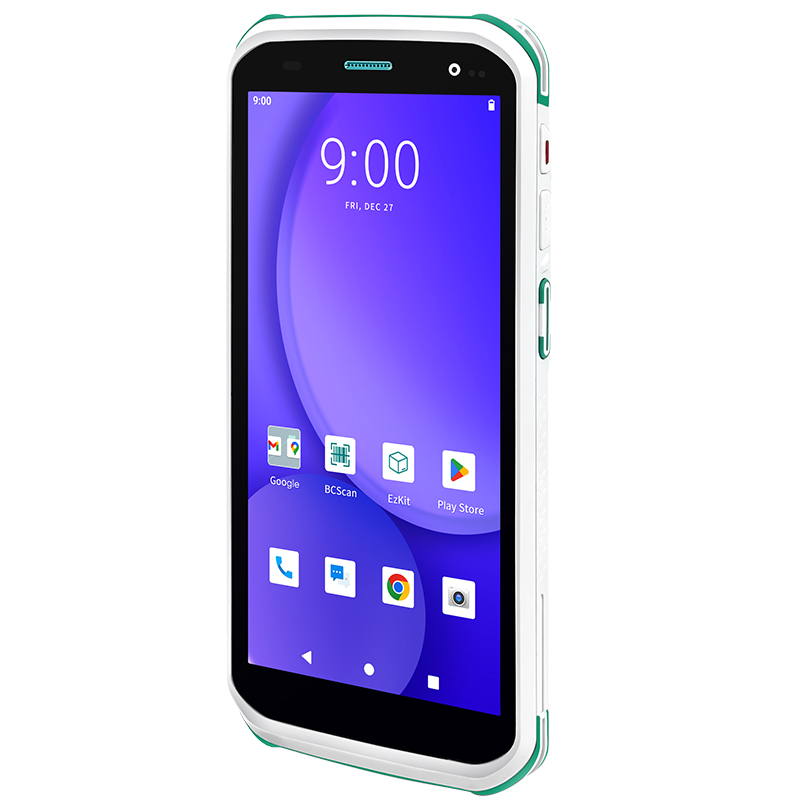
F9825M Healthcare Handheld Terminal


A German hospital chain adopted the Industrial Mobile Computer for hospital workflows. Results:


  • 40% faster medication dispensing


  • 95% reduction in scanning errors


  • $50K annual savings on device maintenance


Industrial Mobile Computer for hospital

FAQ Section


Q: Does the F9825M support legacy hospital software?

A: Yes. Its PDA handheld device for medical use integrates with 50+ systems, including Epic and Cerner.


Q: How does ISO certification ensure quality?

A: ISO 13485 compliance guarantees adherence to global medical device safety standards.


Q: Can it withstand disinfectants?


A: The chemical-resistant shell survives daily exposure to harsh cleaning agents.


As a trusted mobile computer supplier, FYJ offers free consultations and customized OEM solutions


[Contact Us] for a demo!


healthcare mobile computer supplier


-end-

European and U.S. logistics hubs face challenges like network congestion, frequent device breakdowns, and inefficient inventory tracking. Over 60% of warehouses report delays due to outdated handheld devices, while harsh environments shorten equipment lifespan. Can a single mobile computer solve these issues?


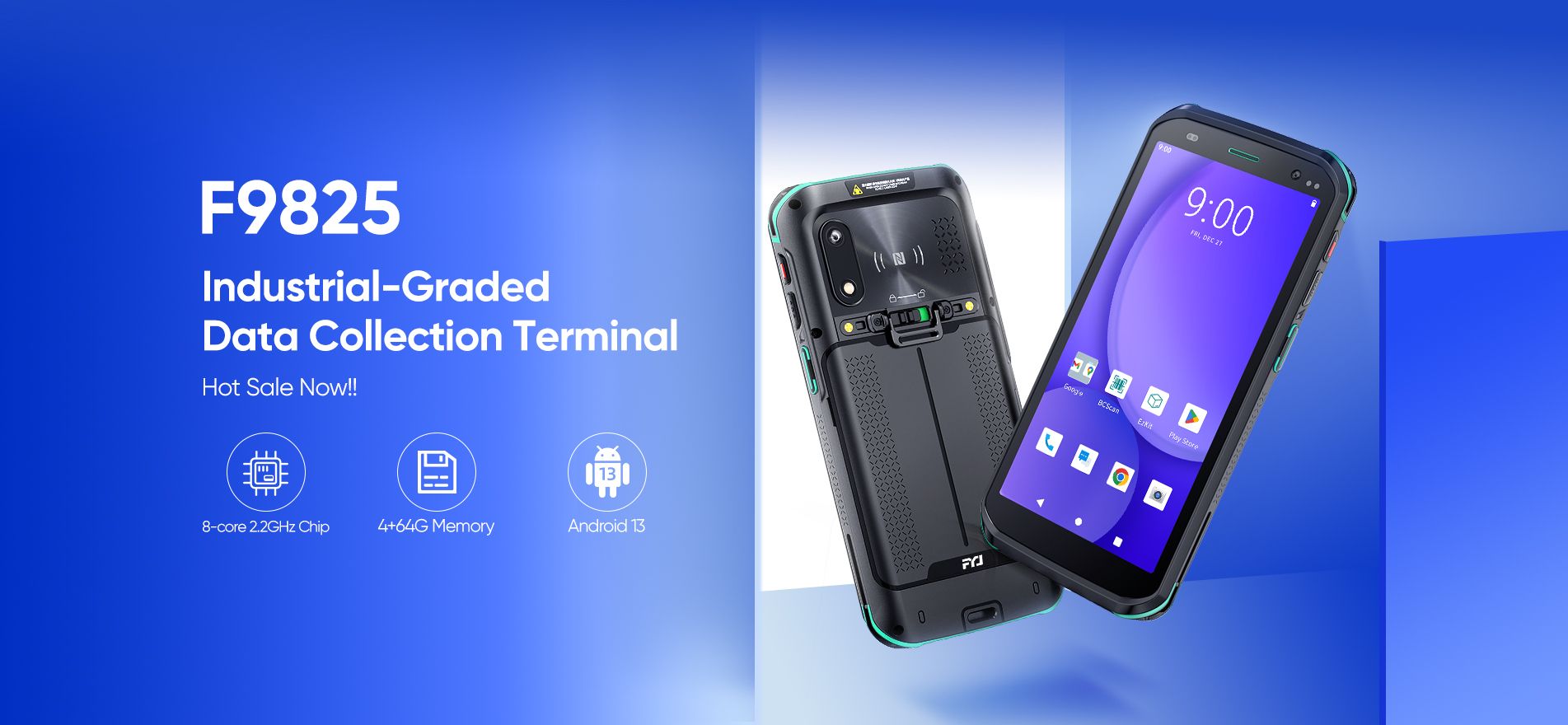
FYJ F9825 Mobile Computer

The F9825 combines flagship scanning tech, rugged design, and seamless connectivity to tackle warehouse inefficiencies. As a trusted mobile computer supplier, Hyatta Digital ensures ISO-certified manufacturing and OEM service flexibility. From cold storage to cross-dock operations, this industrial mobile computer for warehouses adapts to demanding workflows.


Technical Parameters

Feature F9825 Competitors
Battery Life 14 hours (hot-swappable) 8-10 hours
IP Rating IP67 (dust/waterproof) IP54
Scanning Speed 5 scans/sec (dense barcodes) 3 scans/sec


Why It Wins: Built for 24/7 logistics, the PDA handheld device for logistics excels in extreme temperatures (-20°C to 50°C) and offers Bluetooth 5.2 for stable connectivity.


Client Case Study

A German automotive logistics provider reduced scanning errors by 40% after deploying F9825 industrial mobile computers. “The extended battery life eliminated downtime during shifts,” shared their operations manager. In the U.S., a retail chain cut inventory costs by 25% using its OEM service for custom firmware.


FAQ Section

Q: Is the F9825 compatible with legacy warehouse systems?
A: Yes. It integrates with ERP, WMS, and IoT platforms via open APIs.

Q: How does ISO certification benefit buyers in Europe?
A: It guarantees compliance with EU safety and environmental standards.

Q: Can the device survive drops on concrete floors?
A: The F9825’s MIL-STD-810G rating ensures 1.5-meter drop resistance.


-end-

In today’s fast-evolving digital landscape, data centers are under immense pressure to perform more efficiently, securely, and sustainably. As the volume of data and demand for real-time services continue to grow, forward-thinking operators are embracing intelligent technologies to transform how data centers are managed and optimized.

At Coolnet, we believe that smart infrastructure isn’t just the future—it’s already reshaping how we deliver value to our partners. From micro-module data center solutions to precision cooling systems and intelligent power distribution units, our technologies are designed to help enterprises build resilient, efficient, and future-ready digital ecosystems. Here's a look at how intelligent systems are redefining operations across modern data centers.

ai data center
Proactive Maintenance, Reduced Downtime

Traditionally, equipment failures often meant unplanned downtime and costly disruptions. Now, advanced monitoring systems can analyze environmental and operational data in real time to predict when maintenance is required. This shift from reactive to predictive strategies ensures that equipment is serviced before issues arise, minimizing downtime and extending the lifespan of critical infrastructure such as UPS systems and precision air conditioners.

Smarter Energy Use, Greater Sustainability

One of the biggest challenges for any data center is power consumption. With growing pressure to lower carbon footprints and operating costs, intelligent energy management has become essential. By continuously monitoring workloads, temperature, and power usage effectiveness (PUE), modern systems can identify inefficiencies and automatically adjust cooling and power distribution.

At Coolnet, our energy-efficient precision cooling solutions, including in-row cooling units and high-performance rack-mounted air conditioners, are designed specifically to reduce energy consumption while maintaining optimal operating conditions. These systems are ideal for small to medium-sized computer rooms, edge data centers, and containerized data centers.

Dynamic Resource Allocation

Data center workloads fluctuate constantly. To avoid bottlenecks or idle resources, smart allocation systems are now being used to optimize how server racks, storage cabinets, and network equipment are utilized. These systems learn from historical patterns and current demands to balance resources in real time.

Our modular data center solutions make it easy for organizations to scale infrastructure efficiently, ensuring resource flexibility and optimal performance under varying loads. Whether you're managing a high-density environment or expanding to meet demand, Coolnet’s intelligent infrastructure supports seamless growth.

Enhanced Security, Smarter Detection

Security has always been a top priority, but the nature of threats is evolving. Intelligent monitoring tools can now detect anomalies in network behavior, providing early warnings for potential intrusions. These real-time insights make it possible to take swift, targeted action—protecting data and maintaining trust.

With intelligent access control systems, environmental monitoring, and real-time alerts, Coolnet enables a more secure and transparent data center operation.

Intelligent Data Management

With data volumes growing exponentially, efficient organization and access are more critical than ever. Intelligent systems now support faster data classification, retrieval, and storage optimization, enabling more agile decision-making.

Our integrated solutions help streamline data center management platforms, supporting functions such as asset tracking, remote diagnostics, and AI-powered insights—especially useful in complex, multi-site deployments.

Moving Forward with Confidence

For data centers, embracing intelligent technologies isn’t just about keeping up—it’s about staying ahead. At Coolnet, we’re committed to helping businesses build smarter, more sustainable digital infrastructure. Whether through high-efficiency precision air conditioning, modular and micro-module data center designs, or AI-enhanced power systems, we support our clients in staying agile, secure, and future-ready.

As innovation continues, one question becomes increasingly important:
Is your data center partner evolving fast enough to support your next phase of growth?

Coolnet could provide data center solutions,please feel free to contact us to get it.
Email: info@coolnetsystem.com
Tel/Whatsapp: 
+86- 18326091011

The hospitality industry continues to evolve, and lighting plays a pivotal role in shaping guest experiences. As an outstanding hotel lighting factory and supplier, Sunwin is constantly innovating and observing the evolving landscape of hospitality design. In 2025, hotel room lighting trends emphasize technology integration, sustainability, and personalized ambiance. Below are the key trends defining this space.


1. Smart and Adaptive Lighting Systems

* IoT Integration: Voice-controlled and app-enabled lighting allows guests to customize settings via smartphones or in-room panels. Features include preset scenes like "Relax, "Work", and "Sleep" which adjust brightness and color dynamically.

* Human-Centric & Circadian Lighting: Hotels are adopting systems like Philips' RoomFlex that mimic natural daylight cycles to regulate circadian rhythms and enhance guest sleep quality.

* Sensor-Activated Lighting: Motion sensors activate pathway lighting at night for safety, while presence detection adjusts room temperature and lighting upon entry.


2. Energy Efficiency and Sustainability

* LED Application: Energy-saving LEDs and OLEDs dominate new installations, offering up to 70% electricity savings over incandescent lamps and 50,000+ hours long lifespan.

* Natural and Recyclable Materials: Lamps made from natural materials like wood, rattan, bamboo, and recycled metals are prioritized to reduce environmental footprints. These elements bring a sense of organic tranquility and connection to nature directly into the guest room, fostering a more serene and calming atmosphere.


Sunwin's commitment to sustainable practices extends to our material sourcing and manufacturing processes, ensuring that our lights are as eco-friendly as they are aesthetically pleasing.


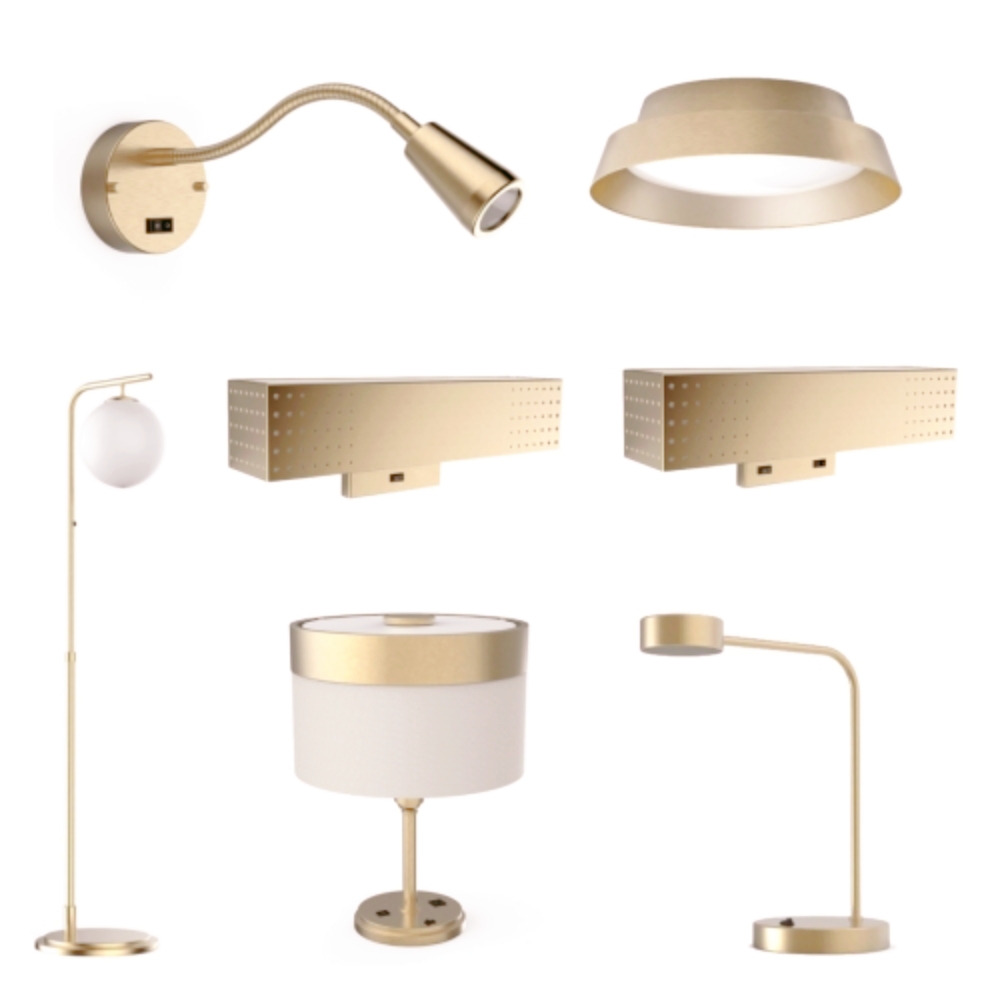
Contemporary decorative hotel room lighting


3. Customizable Ambiance Lighting

* Color-Tunable LEDs: Hotels use RGB LED strips to let guests choose hues for mood enhancement (e.g., calming blues for relaxation, vibrant reds for social settings).

* Layered Lighting Design: Combining ambient, task, and accent lights to create depth and flexibility.


4. Integration with Architecture and Art

* Seamless Light Fixtures: Minimalist wall-mounted or recessed fixtures offer a clean, unobtrusive look. Integrated LED strips hidden in coves or behind headboards deliver diffuse ambient light without visible hardware, supporting streamlined aesthetics

* Art-Centric Illumination: Picture light or spotlight highlights in-room artworks adding sophistication.


For hotels, these trends are not just about aesthetics but about creating memorable, health-conscious, and energy-efficient environments.


Sunwin lighting is one of the well-known hotel project lamps manufacturers in China, we pride ourselves on our ability to custom-design and manufacture exquisite lighting solutions that align perfectly with each hotel's unique vision, ensuring that every guest room tells its own story through light. Send your inquiries to sales@sunwinhotellighting.com to experience our competitive budgets and unparalleled services.

As global industries accelerate toward digital transformation and carbon neutrality, manufacturers are under increasing pressure to deliver more—with less. At PRIMA, we see this challenge as an opportunity to lead.


By combining intelligent production systems with a sustainably built smart information industrial park, we are reshaping how commercial display screens are manufactured—faster, cleaner, and smarter than ever before.


Triple-System Integration: ERP + MES + WMS

PRIMA is building a fully connected production ecosystem. Our ERP system is already in place, and both MES (Manufacturing Execution System) and WMS (Warehouse Management System) are being implemented to further strengthen our operational foundation.

  • 🧩 ERP ensures seamless coordination across business functions

  • ⚙️ MES will enable real-time production tracking and quality control

  • 📦 WMS will bring intelligent warehouse logistics and inventory automation


Together, these systems will drive end-to-end digitization, shorten production cycles, and improve product consistency.


Built Green by Design: PRIMA Information Industrial Park

Our new headquarters in Xiamen isn’t just a smart factory—it’s a green factory, purpose-built to meet China’s Green Building Two-Star Standard. Key sustainability features include:

  • ☀️ Rooftop solar power system that supplies up to 90% of the park’s office and lab electricity

  • 🔌 EV charging stations in the parking area to support green commuting

  • 💧 Separate rain and sewage drainage systems, designed to reduce environmental impact


This infrastructure supports PRIMA’s long-term commitment to low-carbon, eco-friendly manufacturing.


Commercial Displays, Elevated by Smart Manufacturing

The results of our digital and green transformation speak directly to our product advantages:

  • Greater precision and reliability, thanks to intelligent control and automated processes

  • Faster delivery times, driven by real-time data flow and lean logistics

  • Lower environmental footprint, aligning with customer sustainability goals


At PRIMA, we believe the future of manufacturing lies in combining efficiency, innovation, and sustainability.


We welcome global partners to visit our Xiamen Xiang'an Information Industry Park and explore the new standard in commercial display production.

When designing and manufacturing electronic products, one of the key components that must be chosen carefully is the oscillator. Oscillators are crucial for providing a stable frequency source for timing, synchronization, and signal processing. Selecting the right type of oscillator can significantly impact the performance, reliability, and longevity of your product.

Temperature Compensated Crystal Oscillator 


Understanding Oscillators

At their core, oscillators are electronic circuits that generate a periodic signal, typically a sine or square wave. In electronics, they are widely used in applications such as communication systems, clocks, signal generators, and microprocessor timing. The stability and accuracy of the oscillator's frequency are critical in ensuring the proper operation of your device, especially in environments where temperature fluctuations, power supply variations, or other external factors can affect performance.


Types of Oscillators and Their Features


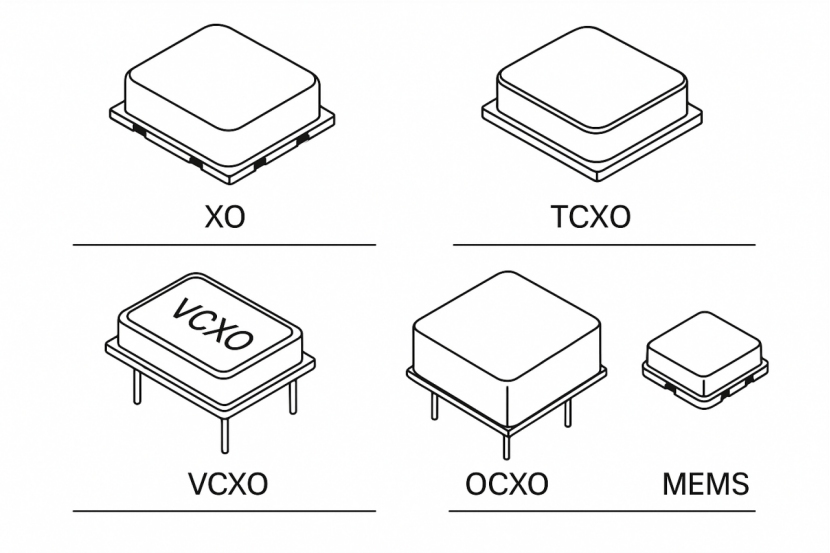
XO (Crystal Oscillator)

A Crystal Oscillator (XO) is a fundamental frequency source used in most electronic systems. The frequency of a standard XO is determined by the physical properties of the quartz crystal. These oscillators offer good accuracy and stability under normal operating conditions.

Pros:

Low cost and simple design

Suitable for a wide range of applications

Stable in typical operating environments

Cons:

Limited temperature stability (frequency may drift with temperature changes)

Accuracy may not be sufficient for highly demanding applications

For applications where low cost and general performance are adequate, a Crystal Oscillator from Shenzhen Jingguanghua Electronics Co., Ltd. might be a suitable choice, offering reliable performance in everyday products.


TCXO (Temperature Compensated Crystal Oscillator)

A Temperature Compensated Crystal Oscillator (TCXO) offers enhanced temperature stability. It uses a built-in circuit that compensates for temperature-induced frequency variations, making it more suitable for environments with significant temperature fluctuations.

Pros:

Superior temperature stability

Higher accuracy than standard XO

Ideal for portable devices or those exposed to varying environmental conditions

Cons:

Higher cost compared to XO

Slightly more complex design


If you require higher accuracy and temperature stability for applications such as GPS systems or portable communication devices, a TCXO could be a better option to ensure consistent performance across a wide temperature range.


VCXO (Voltage Controlled Crystal Oscillator)

A Voltage Controlled Crystal Oscillator (VCXO) is similar to an XO, but it allows the output frequency to be adjusted by an external voltage input. This makes VCXOs ideal for applications requiring fine-tuned frequency adjustments, such as phase-locked loops (PLLs) in communication systems.

Pros:

Adjustable frequency output

Ideal for frequency modulation applications

Excellent for use in systems that require precise frequency control

Cons:

More expensive than standard XO

Requires external circuitry to control the voltage


For applications where precise frequency control is critical, such as telecommunications equipment or high-performance computing systems, a VCXO provides flexibility without sacrificing stability.


OCXO (Oven Controlled Crystal Oscillator)

An Oven Controlled Crystal Oscillator (OCXO) is a type of high-precision oscillator that uses a temperature-controlled environment (oven) to maintain the quartz crystal at a stable temperature. This eliminates temperature-induced frequency drift, making OCXOs the most accurate and stable type of oscillator.

Pros:

Extremely high accuracy and stability

Ideal for high-performance, mission-critical applications

Excellent for use in scientific instrumentation and telecommunications

Cons:

Expensive

Larger size and higher power consumption


For applications requiring ultra-high accuracy, such as scientific research, precision measurement, and satellite communication systems, an OCXO offers unparalleled performance.


MEMS Oscillators

Microelectromechanical Systems (MEMS) oscillators are a newer type of oscillator that uses tiny mechanical structures integrated with semiconductor technologies. MEMS oscillators offer several advantages over traditional crystal-based oscillators, including smaller size, lower power consumption, and better shock resistance.

Pros:

Small form factor

Low power consumption

Highly resistant to mechanical shock and vibration

Cons:

Lower frequency stability compared to crystal-based oscillators

Potentially less accurate in demanding applications


MEMS oscillators are ideal for portable devices and wearables, where space and power consumption are critical, while still offering reliable performance in less demanding environments.


 Choosing the Right Oscillator for Your Application

When selecting an oscillator for your product, it is important to consider several factors:

Temperature Range: If your product will be exposed to varying environmental conditions, choose an oscillator with a high-temperature stability, such as a TCXO or OCXO.


Accuracy Requirements: For applications requiring precise timing or synchronization, a VCXO or OCXO is recommended.


Size and Power Constraints: If your device needs to be compact and power-efficient, consider a MEMS oscillator.


Cost Considerations: If cost is a major factor, an XO or TCXO might be more suitable, as they provide a balance of performance and affordability.


Choosing the right oscillator for your electronic product is crucial to ensuring reliable operation and maintaining performance in varying conditions. Whether you need the high accuracy of an OCXO, the temperature stability of a TCXO, or the compactness of a MEMS oscillator, understanding the specific requirements of your application will help you make an informed decision. Always consider factors like environmental conditions, power consumption, and required frequency stability to select the most suitable oscillator type.


For more information on choosing the right crystal oscillator for your next project, please feel free to contact Shenzhen Jingguanghua Electronics Co., Ltd. We specialize in providing high-quality, reliable oscillator solutions.

The I2C Interface

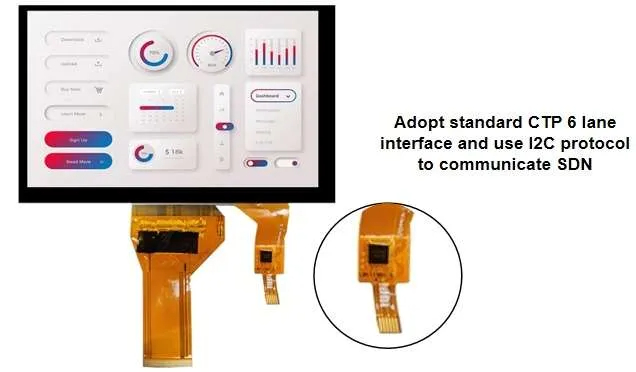
Capacitive touch screens usually use the I2C (Inter-Integrated Circuit) interface to communicate with the motherboard.  

The I2C interface provides a convenient and relatively simple way for capacitive screens to enable bi-directional communication between the touch screen and the motherboard through two lines (SDA and SCL).

This connection can be made directly on the FPC. I2CC is a bit more required  and needs some programming and writing I2C support code to use the device with the controller.

The USB Interface

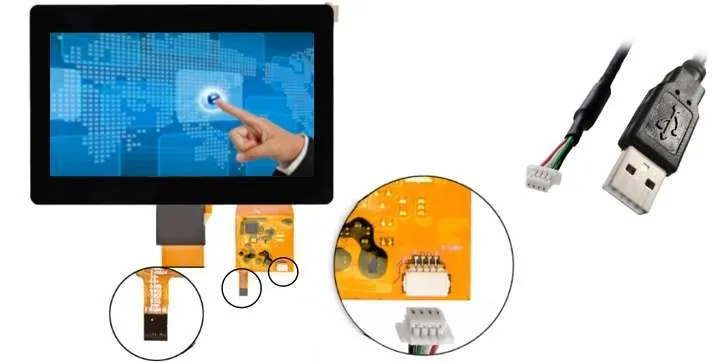
USB (Universal Serial Bus) is a universal and widely supported interface standard that can achieve fast and stable data transmission between various devices.

This design of this interface enables the capacitive touch screen to be connected to computers, tablets, smartphones and other devices via USB to achieve touch input and data interaction with the motherboard.

The main advantage of USB is the plug-and-play. Operating systems such as Windows and Linux will be equipped with relevant USB drivers to operate the device. There is a choice of ZIF (direct to FPC) or USB 4-pin connection.

How to Choose the I2C or USB Interface?

Choose I2C Interface

Simplify Connection

If you want the system connection to be simpler, the I2C interface only requires two wires (SDA and SCL). Compared with the USB interface, the connection is simpler.

Low Power Consumption

The I2C communication protocol usually has lower power consumption and may be more suitable for some devices with higher power consumption requirements.

Suitable for Embedded Systems

The I2C interface is suitable for embedded systems and can provide more flexible solutions for some small electronic devices and embedded applications.

Multi-device Connection

The I2C bus supports multiple device connections, so multiple I2C devices can be easily integrated into the same system.

Low Cost Design

If system cost is a constraint, the I2C interface is usually a lower-cost option.

Choose USB Interface

High Speed of Data Transfer

If the application requires a higher data transfer rate, especially for images, videos and other large data volume applications, the USB interface may be more suitable, especially USB 3.0 and above.

Broad Compatibility

USB is a universal interface standard that is supported by almost all computers and many other devices. If your device needs to connect to multiple devices, USB provides wider compatibility.

Power Supply

The USB interface can provide power supply, which is an advantage for some devices and can simplify power management.

Complex Human-machine Interface

Applications need to support complex human-machine interfaces, such as multi-touch, gesture recognition and other functions. USB interface is usually more suitable.

Desktop or Laptop Applications

The USB interface is more suitable for connecting to personal computer devices such as desktop computers and laptops.

Features/parameters USB Interface I2C Interface
Data transfer rate High, especially USB 3.0 and above Relatively low, depending on the specific I2C rate
Power supply Provide power supply Normally no power supply provided, additional power cord required
Connection complexity Relatively complex, requiring multiple pins and cables Simplified connections, only two wires (SDA and SCL)
Compatibility Widely compatible, almost all devices support USB Suitable for embedded systems, more flexible devices that need to support I2C
Power consumption Usually higher Usually lower
Human-machine interface support Suitable for complex human-machine interface, multi-touch, etc. Suitable for some basic touch interactions
Multi-device connection Requires additional equipment to support USB hub, etc. I2C bus supports multiple device connections
Cost Usually higher Usually lower
Application  Desktop computers, laptops, etc. Embedded systems, small electronic devices, etc.
Table 1. Comparison of I2C and USB interfaces

Summary

The choice between I2C and USB depends on the specific requirements of the application. I2C is often preferred in embedded systems and scenarios where simplicity and lower data rates are acceptable, while USB is chosen for high-speed data transfer, power delivery, and compatibility with a wide range of devices.

In addition to standard CTP with I2C or USB interface, CloudSense OptiTech has integrated I2C and USB solutions in capacitive touch panel. It’s easy to use and for future changes, please contact us for more information.