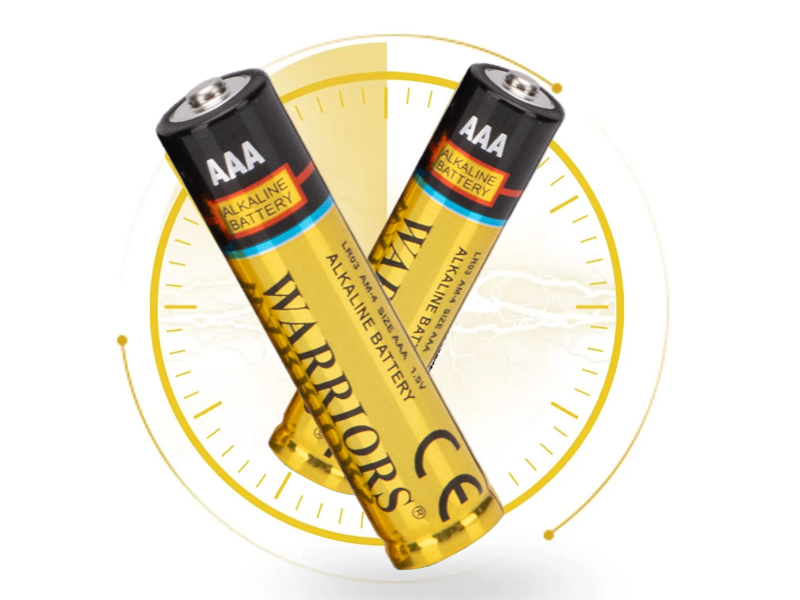
Almost three in five fire deaths are caused by house fires where smoke alarms are not installed or where the smoke alarms are not working properly. To keep you and your family safe, it is vital to have functioning smoke alarms and the right batteries. The battery in your smoke alarm should be one you can trust. That’s why WARRIORS recommends that you upgrade to a 10-year sealed battery smoke alarm.

9V battery vs. AA batteries

For many years, the 9V battery has been the battery of choice for smoke alarms. However, today, a more common smoke alarm battery is two or three AA batteries. AA batteries have about three times the energy of 9V batteries. When using these batteries in fire detectors, it is important to regularly inspect the detectors and replace the smoke alarm batteries every 6 months.

10 Year Sealed Battery Smoke Alarm

Some areas require the installation of 10-year sealed battery smoke detectors. Even if your area does not mandate the installation of such detectors, WARRIORS strongly recommends them. The batteries in 10-year sealed battery detectors last as long as the detector, and there is no need to replace the batteries. These fire detectors also come with a battery life warning to remind you to replace the detector after 10 years.

Buy 10 Year Sealed Battery Smoke Alarms

Choose the choice that gives you and your family the greatest peace of mind. WARRIORS is committed to creating reliable products to protect your home and family. Learn more about our 10-year sealed battery sirens.


Replacing 9V Batteries for smoke alarms
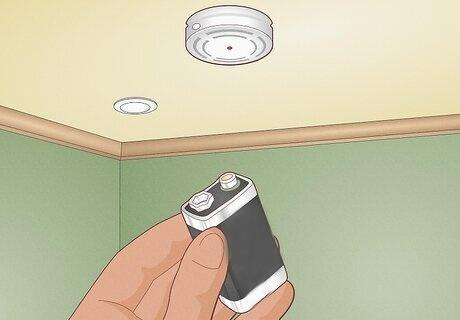
 

Replace 9V Batteries for smoke alarms Step 1

1. Check the battery type. Make sure you always use the correct battery type and install the battery correctly to ensure the detector will work properly.

• Detectors using lithium batteries will last for ten years. Typically, the battery cannot be replaced, but the entire detector is replaced at the end of its ten-year life.

• Many detectors will use 9-volt batteries. However, some may require a different type of battery.

• Use high-quality, long-lasting batteries. Using rechargeable batteries or low-quality batteries may cause your smoke alarm to fail.
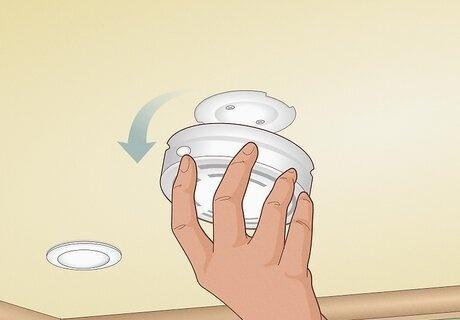
 

Replace 9V Batteries for smoke alarms Step 2


2. Remove the smoke detector. You will need to remove the smoke detector from the ceiling. If your detector is hardwired to the home's electrical system, you should first disconnect the power at the fuse box.

• The method for removing a smoke alarm will vary depending on the model.

• Most smoke detectors are removed by twisting or sliding the detector out of its mounting position.

• Some detectors do not require you to remove the entire detector. These models only require you to remove the portion that covers the internal components and battery.

• Not all hardwired smoke detectors come with a backup battery.
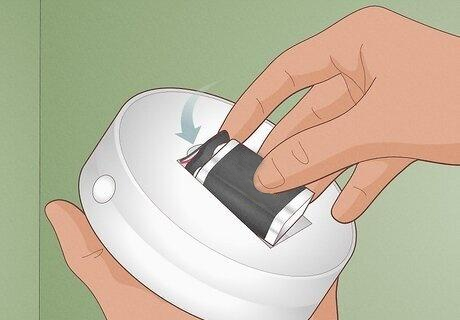
 

Replace 9V Batteries for smoke alarms Step 3


3. Open the battery compartment and install the new battery. To access the battery, you must remove the cover that contains the battery. The exact location of the battery and how it is secured varies from model to model. Usually, once you remove the detector's cover, you can easily see where the battery is.

• The location of this cover will vary from model to model, and some may be secured by screws or other fasteners.

• Most caps will slide off the body of the smoke detector and move away.

• Once open, you can remove the old battery.

• Make sure you install the new battery correctly. Check that the negative and positive connections match the labels on the smoke alarm

• Replace the battery cover.

• If you have trouble finding or removing the battery from your smoke detector, consult your smoke detector's manual. If you don't have a physical copy of the manual, you may be able to find it online on the manufacturer's website.
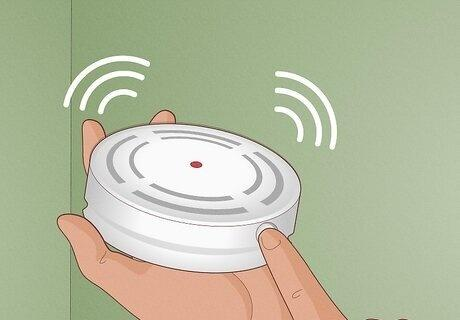
 

Replace 9V Batteries for smoke alarms Step 4


4. Test the battery. Locate and test the battery using the button on the smoke alarm.

• The location of the test button varies.

• Most test buttons require you to hold the button down for a few seconds to begin the test.

• If successful, the alarm will sound.
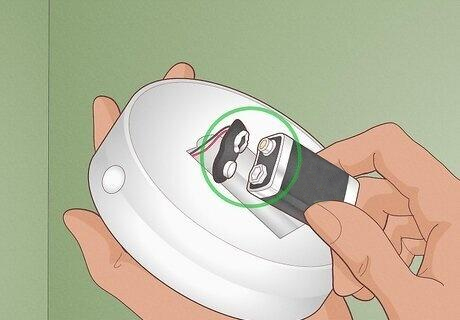
 

Replace 9V Batteries for smoke alarms Step 5


5. If the test fails, check again. Only reinstall the smoke alarm after it has passed this battery test and proven to be working properly.

• Check that the batteries are installed correctly. Make sure the positive and negative poles match the correct terminals in the smoke detector.

• If the batteries are installed correctly but the test fails, replace the batteries and try the test again with new batteries.

• If the new batteries don't work, your detector may need to be replaced. You can contact the manufacturer and they may be able to replace it for you if the detector is under warranty.

• Some alarms have an LED light that indicates whether the alarm is working properly. Typically, a green light means the alarm is working properly and a red light means there is a problem.
 

Replace 9V Batteries for smoke alarms Step 6


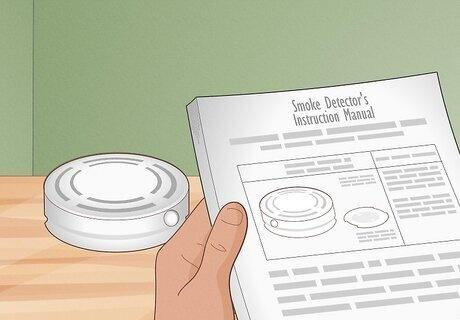
6. Check your smoke alarm's instruction manual.

• Finding the location of the batteries and how to access them may vary by model.

• The manual may also indicate which type of batteries your smoke alarm requires.

• Don't throw away the manual. Keep it in a safe place where you can find it when you need it.
 

Imagine if the battery can provide longer battery life, it will not only significantly reduce the frequency of equipment downtime, but also greatly improve work efficiency. Now, let's explore the battery technology with ultra-long life.


Long-lasting Industrial AAA Alkaline Batteries


Long life batteries are revolutionizing the way we power our devices, bringing numerous benefits to businesses and consumers. This article will explore the advantages of using long-life batteries and showcase their huge potential in different sectors.


Benefits of using long-life batteries

Long-life batteries have many advantages and are an indispensable choice for businesses and individual users. One of the most significant advantages is their longer service life.Unlike traditional batteries, long-life batteries can withstand countless charging cycles without losing effectiveness, thus ensuring longevity and reliability.


Another significant benefit is the reduced need for frequent battery replacement. Long-life batteries can significantly reduce costs, eliminating the need to frequently purchase new batteries, making it a cost-effective solution in the long run. This not only saves money, but also reduces waste and promotes sustainable development.


Additionally, the long-life battery has a higher energy density, which means it can store more power in a smaller volume.This compactness makes it ideal for portable industrial equipment such as trackers, data loggers, and toll tags, where space optimization is critical.


In addition, these advanced batteries are designed to provide consistent performance throughout their service life.

Even when discharging, they maintain a steady voltage output, providing uninterrupted power to devices without compromising efficiency or productivity.

It is worth mentioning that these advantages depend largely on the quality of the battery. Due to its unique performance characteristics, lithium iron phosphate batteries are the preferred solution for many low-power devices.


The outstanding properties of this chemistry include high capacity and energy density, high safety to support product miniaturization, extended temperature range for harsh environments, and very low annual self-discharge rate, resulting in a battery life of up to 10 years.

In short, LiFePO4 batteries can be made into perfect low-temperature batteries or high-temperature batteries, with a temperature range of -20°C to +60°C.


Cross-industry applications

From powering small portable devices to supporting large infrastructure projects, long-life batteries have become an indispensable part of all industries.


long-life batteries


This type of battery is extremely valuable in electric vehicles and transportation equipment. For example, new energy vehicles, due to their low cost and high safety, are particularly dominant in commercial vehicles, yachts, fishing boats, passenger ships, etc., thanks to their stability and waterproof design. They are also used in energy storage systems for peak load regulation, renewable energy grid connection (such as wind power, solar energy) and distributed power stations. Combined with solar energy systems, energy self-sufficiency is achieved.


Long-life batteries play a vital role in medical devices such as pacemakers and implantable defibrillators in the healthcare sector.These battery-powered devices ensure continuous operation for long periods of time, providing life-saving support to cardiac patients.The durability of long-life batteries ensures that critical medical interventions can be performed reliably.


In addition, they can be used as backup batteries due to their low discharge rate and ability to be idle for long periods of time without losing power.emergency response teams use long-life batteries to power devices such as radios, flashlights, GPS trackers, drones, and more during rescue operations.


These powerful batteries ensure that important communication tools can operate for long periods of time without the need for frequent replacement or recharging.To learn more and find the ideal long-life battery for your needs, contact us for a quote.


In modern life, batteries power countless devices, from daily household appliances to high-tech electronic products. Among them, 1.5V batteries have become the mainstream choice due to their strong versatility and wide range of applications. This guide will introduce the types, working principles, applicable scenarios and maintenance methods of 1.5V batteries in detail to help you better choose and use batteries.


Part 1. What is a 1.5V battery?


1.5V Alkaline Battery Wholesale


A 1.5V battery is an electrochemical cell with a nominal voltage of 1.5 volts. Widely used in a variety of everyday electronic devices, its rated voltage is the voltage difference between the positive and negative voltages of the battery, which directly affects the normal operation of the device. Due to its performance and reliability, the 1.5V battery has become an ideal power source for portable devices.


Key Features:

  • Voltage:1.5 volts is standard.
  • Chemistry:Common chemistries include alkaline, zinc-carbon, and lithium.
  • Size:Available in AA, AAA, C, D, and 9V sizes.
  • Rechargeability:Some types are rechargeable (like Lithium-ion rechargeable batteries), while others are disposable (like AA LR6 Alkaline Battery ).


What are the types of 1.5V batteries?

Alkaline batteries: Alkaline batteries are one of the most popular types of 1.5V batteries. They are known for their long life and high energy density. Their advantages are long-lasting, wide market and easy to buy, but the disadvantage is that they are not rechargeable.

Carbon batteries: Carbon batteries are another common 1.5V battery, mainly used in low-power devices. The price is cheaper than alkaline batteries, but the life is shorter and the stability is poor under high load.

Lithium batteries: Lithium batteries have added advantages over alkaline batteries and zinc-carbon batteries, with longer service life and higher energy density. The disadvantage is that the price will be higher than alkaline carbon batteries, and some models are not available in full size.


Part 2. How do 1.5V batteries work?

1.5V batteries work by generating electricity through an electrochemical reaction that occurs inside them. When the battery is connected to an electronic device, a chemical reaction occurs between the anode (negative electrode) and the cathode (positive electrode), which generates electricity.


What are the parts of a 1.5V battery?

  • Anode: In alkaline batteries, the anode is usually made of zinc, which oxidizes during discharge.
  • Cathode: Usually made of manganese dioxide or lithium compounds, the cathode is reduced.
  • Electrolyte: This substance facilitates the movement of ions between the anode and cathode, allowing the chemical reaction to generate electricity.


Part 3. What are the common applications of 1.5V batteries?

  • Remote Controls: Remote controls for TVs, air conditioners, and other appliances use AA or AAA alkaline batteries.
  • Keyboard and Mouse: Wireless mice and wireless keyboards use 1.5V alkaline batteries.
  • Toys: Most battery-powered toys rely on 1.5V batteries for power.
  • Flashlights: Portable flashlights typically use 1.5V batteries for illumination.
  • Smoke Detectors: Most smoke detectors require 1.5V batteries for reliable operation.


Part 4. Lifespan of 1.5V Alkaline Batteries

The lifespan of 1.5V Alkaline batteries depends on several factors:

  • Battery Type: Alkaline batteries typically last longer than rechargeable NiMH batteries when used in low-power devices.、
  • Usage Pattern: Devices that require more power will drain the battery faster than devices that use less power.
  • Storage Conditions: Batteries stored in a cool, dry place will last longer than batteries exposed to heat or humidity.


What is their average lifespan?

Alkaline batteries have a shelf life of 10 years.

Model Capacity Voltage Expiration date
LR20-D 2100min 1.5V 10 years
LR14-C 1080min 1.5V 10 years


LR6-AA


200min 1.5V 10 years
300min 1.5V 10 years
330min 1.5V 10 years
360min 1.5V 10 years
420min 1.5V 10 years

LR03-AAA

100min 1.5V 10 years
120min 1.5V 10 years
140min 1.5V 10 years
160min 1.5V 10 years
LR1 80min 1.5V 10 years
4LR25 1080min 6V 10 years
6LR61-9V 850min 9V 10 years


NiMH rechargeable batteries typically last 2 to 3 years but can be recharged hundreds of times.


Part 5. How to store 1.5V batteries?

Storage environment: Store in a cool, dry place away from direct sunlight.

Packaging protection: Keep the battery in its original packaging to prevent accidental short circuits.

Avoid contact: Avoid contact between the battery and metal objects to prevent short circuits.


Part 6. Are 1.5V alkaline batteries rechargeable?

Most 1.5V alkaline batteries are single-use dry cells, but some brands also offer rechargeable NiMH batteries and Li-ion batteries. Rechargeable NiMH and Li-ion batteries are more suitable for repeated charging due to their design and chemistry.


Part 7. What are the safety precautions when using 1.5V batteries?


Cheap 1.5V LR6 Alkaline Batteries


When using or handling 1.5V batteries, follow these safety recommendations:

Avoid mixing different types of batteries: Mixing different brands and types of batteries may cause leakage or explosion.

Keep away from extreme environments: Do not expose batteries to extreme temperatures or moisture, which may cause damage or leakage.

Disposal of used batteries: Used batteries should be disposed of through designated collection points or recycling programs.


Batteries provide the necessary power for a wide range of devices, including smartphones, laptops, electric vehicles and industrial equipment, making them an important and profitable commodity for many businesses. It is important for manufacturers, distributors and consumers to understand the shelf life of batteries and the logistics of storage and transportation.

Key points:

• Batteries will naturally deteriorate over time and due to changes in temperature, humidity, battery chemistry, etc., so it is very important to choose a warehouse supplier.

• Lithium-ion batteries typically have a lifespan of 2 to 3 years, while non-rechargeable lithium batteries can last up to 15 years under ideal conditions if stored properly.

• Batteries are classified as primary (non-rechargeable) and secondary (rechargeable), each with their own unique storage and handling needs.

• Maintaining proper storage conditions in warehouses, such as climate control, fire safety measures, short circuit protection, and regular inspections, is critical to maintaining battery quality and avoiding potential hazards.


What is the shelf life of a battery? When do batteries expire?


Long-lasting aaa alkaline batteries


The shelf life of a battery is how long you can store it before it starts to lose performance. Even when not in use, batteries gradually lose performance through self-discharge and chemical reactions. Generally, a battery is considered expired when its discharge rate becomes too high or it is no longer able to provide enough power to a device.

Although batteries do not have a strict shelf life like food, they do have a "shelf life" that is related to their chemical makeup and storage conditions. In general:

Alkaline Batteries: Under optimal conditions, storage life is 5-10 years.

Lithium Batteries (Non-Rechargeable): If stored properly, lithium batteries typically last 10-15 years and have a very low self-discharge rate.

Rechargeable Li-ion Batteries: Li-ion batteries degrade quickly and have an expected shelf life of 2-3 years regardless of use.

Nickel Metal Hydride (NiMH) Batteries: If stored properly, NiMH batteries typically last 3-5 years, but they self-discharge more quickly than alkaline or lithium batteries.

Carbon Zinc Batteries: These batteries have a shorter shelf life, typically only 1-3 years. They age faster than alkaline batteries and are more susceptible to leakage, especially in humid environments.

Nickel Cadmium (NiCd) Batteries: NiCd batteries were once widely used in rechargeable applications and have a shelf life of about 1-3 years. If they are frequently charged and not fully discharged, they are susceptible to a "memory effect" that causes their capacity to decrease over time. These batteries also have a lower self-discharge rate, so they are best stored at room temperature and partially charged.

Lead-acid batteries: With proper care, they can last 5-10 years. However, they need to be charged regularly to prevent sulfation, which damages the plates inside the battery and reduces its capacity. Cool storage is recommended, but not freezing, as cold temperatures help slow self-discharge.


The storage environment of the battery, such as temperature, humidity, and its chemical composition, can significantly affect its shelf life. For example, batteries stored in a high temperature environment will accelerate performance recovery and may even fail prematurely.


Disposable vs. Rechargeable Batteries

The main batteries can be divided into two types: disposable batteries and rechargeable batteries. They have different application scenarios, storage requirements and handling methods.

Disposable batteries

Also known as dry batteries, they cannot be recharged once the power is exhausted and must be properly handled, such as recycled. Common examples include alkaline batteries, carbon batteries, button batteries.

They are often used in low-power devices such as remote controls, flashlights and toys, blood oximeters, and thermometers.

Storage and handling requirements:

• Temperature: Store in a cool, dry place. Room temperature of 68-77°F is generally ideal for extended shelf life.

• Humidity: Low humidity prevents corrosion and leakage.

• Handling: Store in original packaging to prevent accidental discharge or damage to battery terminals.

• Separation: Store disposable batteries separate from rechargeable batteries to avoid confusion and possible safety hazards.


Rechargeable batteries


Li-ion18650 Rechargeable Batteries


Can be recharged and used multiple times. Li-ion 18650 Rechargeable Batteries and AA NiMH Rechargeable Batteries are common examples, and are used in power-hungry devices such as smartphones, laptops, power tools, and electric cars.

Storage and handling requirements:

• Temperature: Store in a stable, cool environment to prevent chemical degradation. For lithium-ion batteries, avoid temperatures above 86°F (about 39°C).

• Charge Level: Ideally, rechargeable batteries should be charged 40-60% to extend life and reduce performance degradation.

• Fire Safety: Due to their energy density, secondary batteries, especially lithium-ion batteries, should be stored in fireproof containers or rooms.

• Insulation: Store batteries away from metal objects to avoid short circuits. Batteries should also be placed in non-conductive containers.


Why Battery Storage Is So Important

Proper battery storage is not only essential for longevity, but also for safety.

If batteries are not stored properly, they may cause serious consequences such as discharge, corrosion, and even explosion. High energy density batteries such as lithium-ion batteries need to be handled with care. For companies that manage a large number of batteries, strict storage procedures must be followed to reduce the risk of accidents and meet various safety standards.

Therefore, companies should give priority to cooperating with third-party logistics service providers with experience in battery logistics handling. Professional third-party logistics providers have a complete infrastructure, such as climate control, fire extinguishing systems, and comprehensive safety protocols to protect the safety of stored batteries and personnel.


Insulation and Short Circuit Protection

To avoid accidental short circuits, batteries must be insulated from each other and from metal objects. Using non-conductive containers, padded shelves, or specialized battery holders can help prevent battery terminal contact.

• Isolation pads: Placing insulating pads between battery layers or containers can help prevent accidental contact.

• Original packaging: Keeping batteries in their original packaging can further reduce the risk of short circuits, especially for batteries stored in bulk.


Part 1. What is voltage?

Before we get into AAA batteries, let’s first clarify the concept of “voltage”. Voltage can be thought of as the “pressure” that pushes current through a circuit. In simple terms, think of it as driving current through wires to power various devices.

For batteries, voltage refers to the difference in potential between the positive and negative terminals of the battery. The higher the voltage, the more power the battery can provide to a device, and vice versa. Voltage plays a critical role in a battery’s ability to deliver power, how long it lasts, and how well a device performs.

Of course, voltage is only one factor in battery performance. Capacity (mAh) and internal chemistry are also important factors that affect battery performance.


Part 2. What is the nominal voltage of a AAA battery?

Now, let's talk about the nominal voltage of AAA batteries. The nominal voltage refers to the standard voltage that a new battery will typically provide during operation.

Most alkaline AAA batteries have a nominal voltage of 1.5V. That is, when you put an alkaline AAAA battery into a device, it will provide a voltage of 1.5 volts. This is considered the "standard" voltage for AAA batteries and is what you'll find in most everyday devices.

However, it's important to note that AAA batteries that are also rechargeable (such as NiMH batteries) have a nominal voltage of 1.2V, which is slightly lower than non-rechargeable batteries. This difference can affect performance, as a device using a 1.5V battery may not operate as efficiently as a 1.2V rechargeable battery.


Part 3. What is the maximum voltage of a AAA battery?

While the nominal voltage gives us a general idea of the battery's performance, the maximum voltage is an equally important concept. The maximum voltage is the highest voltage that can be supplied when the battery is fully charged or at peak capacity.

For alkaline AAA batteries, the maximum voltage is usually around 1.65V. This is the voltage when the battery is fully charged and in optimal condition. As the battery begins to discharge, the voltage gradually drops to the nominal voltage of 1.5V and then continues to drop.

On the other hand, a rechargeable AAA battery (such as NiMH) starts at a maximum voltage of 1.2V, but it will maintain this stable voltage until the battery is nearly depleted. This stable discharge characteristic is one of the reasons why rechargeable batteries are favored in many high-powered devices - they can provide more stable power.


Part 4. How does voltage affect battery performance?

Now that we've covered nominal and maximum voltages, let's look at how voltage actually affects battery performance. Voltage directly affects how much power a battery can deliver to a device, which in turn affects the performance of that device. 

▪ Higher voltage = more power: Higher voltage means that the battery can deliver more power, which is critical for devices that require a lot of energy, such as a power-hungry flashlight or a high-end camera. The extra voltage is able to provide the power a device needs to operate optimally.

▪ Low voltage = reduced performance: On the other hand, if the voltage is too low, your device may not function properly. You may experience a dim flashlight or a slow remote control. When the voltage of a AAA battery drops below 1.0V, the battery is considered dead and cannot effectively power most devices.

It's important to note that voltage is only part of the story. Capacity (measured in mAh) and current draw also have a significant impact on battery performance. However, voltage is often the first indicator that a battery is low and is key in determining how much charge is left in the battery.


Part 5. How do I measure the voltage of a AAA battery?

If you suspect your AAA battery is low, or you just want to know its charge status, it is easy to measure the voltage with a multimeter. Here are the steps:

1. Set your multimeter to DC voltage: Make sure your multimeter is set to measure DC voltage, since AAA batteries are a direct current (DC) source.

2. Connect the probes: Place the red (positive) probe on the positive terminal of the battery and the black (negative) probe on the negative terminal of the battery.

3. Read the display: The multimeter will show the current voltage of the battery. A new alkaline AAA battery should read close to 1.5V, while a depleted battery will read significantly less than 1.5V.

Regularly testing the battery voltage will help you better manage the battery charge and avoid low battery conditions that affect the normal operation of your device. 


Part 6. AAA vs. AA Battery Voltage


1.5V AAA LR03 Non-leaky alkaline batteries


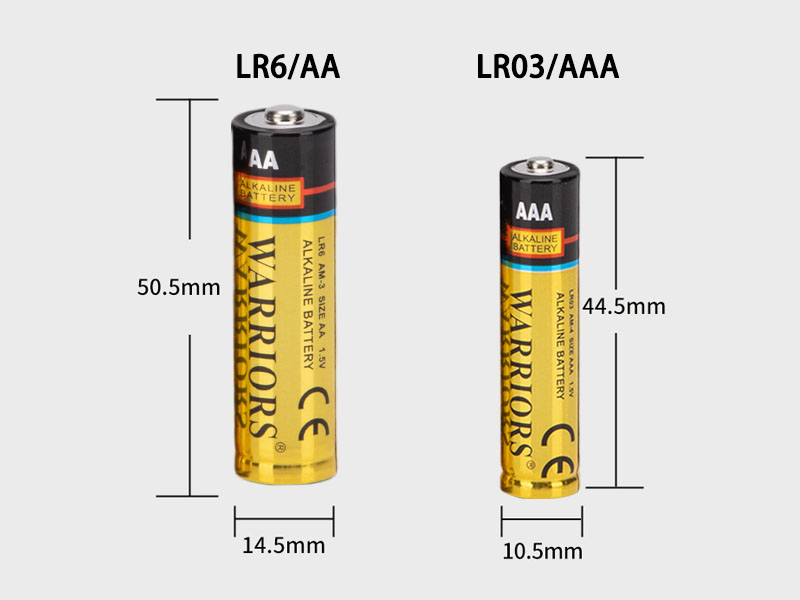
You may be wondering: what is the difference in voltage between AAA and AA batteries? Well, the voltage is basically the same. AAA and AA batteries typically provide 1.5V (alkaline) or 1.2V (NiMH), which means they have the same potential to power a device.

The real difference is in their size and capacity. AA batteries are larger, and because they are larger, they can store more energy inside and last longer. In contrast, AAA batteries are smaller, so they have a lower capacity than AA batteries. This makes AA batteries the best choice for devices that need more power or last longer, while AAA batteries are usually used in smaller devices that use less power.


Part 7. What is the voltage of a dead AAA battery?

When a AAA battery starts to lose charge, its voltage starts to drop. When an alkaline AAA battery drops below 1.0V, it is considered dead. At this point, the battery is no longer able to provide enough power to power most devices. You may notice that your device is not functioning properly, such as dimming, lighting, or sluggish operation. Once your AAA battery voltage drops below 1.0V, it is time to replace it with a new one to keep your device functioning properly.


Part 8. Do all AAA batteries have the same voltage?

While most standard alkaline AAA batteries have a nominal voltage of 1.5V, there are different types of AAA batteries, each with slightly different voltage characteristics:

▪ Alkaline AAA: 1.5V nominal voltage, suitable for most common electronic devices.

▪ Nickel Metal Hydride (NiMH) rechargeable AAA batteries: 1.2V nominal voltage, suitable for high-energy devices, and provide a stable current output.

▪ AAA lithium batteries: 1.65V maximum voltage, with higher energy density and longer storage life.

Therefore, it is very important to choose a battery type that suits the requirements of the device. Different batteries will have different performance and usage scenarios.


Part 9. What are some good alternatives to AAA batteries?

Sometimes, in an emergency, if AAA batteries are not available, there are some other alternatives:

▪ AA batteries: In a pinch, you can use AA batteries instead of AAA batteries, but you will need an adapter to make them fit.

▪ Rechargeable AAA batteries: If you want to be more environmentally friendly, choose nickel metal hydride (NiMH) rechargeable AAA batteries. Both save money and reduce waste.

▪ Other large-size batteries: Such as C or D batteries (with the appropriate adapter), they hold more power but are larger and will only fit in devices where space allows.


Part 10. Summary

Knowing the voltage of AAA batteries is essential to ensuring that your devices get the power they need when they need it. Voltage not only affects the output performance of the battery, but also its battery life and overall efficiency, so it is very important to understand and consider voltage characteristics when selecting batteries. By following the suggestions in this guide, you can better monitor your AAA batteries and real-time voltage conditions, thereby extending the life of the battery and your device, allowing your device to maintain its optimal operating condition for a long time.
 

We will see that most batteries are marked with capacity information, usually in milliampere hours (mAh), which is a common way to compare battery performance. Almost all batteries have this mark, but disposable batteries, especially LR6 AA batteries, some special batteries or aaa batteries for medical devices, often do not have such capacity labels. So why is this the case? Do battery manufacturers hide this information intentionally?


As of 2025, there is no legal requirement for disposable batteries to be labeled with a mAh capacity. Although legislation is being gradually introduced and there may be more specific requirements in the future to enforce the performance parameters of disposable batteries, we still do not know what form it will take. Regarding the labeling of disposable batteries, the maximum capacity (mAh) may not be the only factor to be concerned about. We will explain this in detail below.


The relevant international IEC/PN-EN standards specify the capacity measurement procedures for primary batteries as well as secondary batteries (rechargeable batteries). However, there is currently no unified specification to standardize the capacity measurement and expression methods of disposable batteries to facilitate mutual comparison.

The problem is that the capacity results obtained vary depending on the target application. Batteries are tested according to different procedures as needed, and even the same batch of batteries will get different capacity results each time. For example, we have conducted capacity comparison tests on 9V batteries (including hydrogen, NiMH and lithium batteries). The test results show that even for batteries of the same capacity, the capacity difference can exceed 50%, which is mainly caused by different test conditions, load types and other factors.


CENELEC (European Committee for Electrotechnical Standardization) clearly stated that the existing test procedures and standards cannot provide a universal capacity measurement method for all disposable batteries. There are too many indicators that affect battery performance, including current consumption, age, temperature, usage habits, etc. The differences in these factors make it very complicated to indicate a fixed capacity value for disposable batteries, and may mislead consumers.

IEC Technical Committee 35 also points out that numbers (such as nominal capacity) do not accurately describe how a battery will perform under different usage scenarios.


As mentioned above, most manufacturers do not clearly provide capacity values for primary batteries. The capacity marking does not usually appear directly on such batteries and their packaging. The nominal capacity will vary greatly depending on the test procedure used, so there is no comparison value and no real information about the performance of a specific battery for the end user in a specific application.


Even if we are sure that the two capacity values are measured in the same way and can be compared to each other, the mAh unit still does not perfectly reflect the performance of a primary battery.


More detailed testing shows that despite the same measured capacity value, one of the sample cells is significantly better and more powerful (it delivers significantly higher voltage and more energy), and in many applications it operates more reliably and has a longer service life. Unfortunately, this conclusion cannot be drawn by comparing only one mAh capacity value.


In summary, a single capacity value does not provide enough information to determine whether a particular disposable battery is better than another.

This applies to almost all disposable batteries, AA LR6 alkaline batteries, LR03 AAA alkaline batteries, as well as LR44 button cell batteriesCR2032 3V Button battery, etc.


     As electronic devices become smaller and more efficient, the demand for ultra-thin components has grown dramatically. Neodymium magnets, known for their high magnetic strength, are no exception. But how thin can these magnets be while still maintaining usable magnetic force?


The Challenge of Thinning Magnets


     Strong thin neodymium magnets are widely used in modern electronics, including smartphones, tablets, wearable devices, and micro motors. While they are the strongest type of permanent magnet available today, their performance does not scale linearly with size—especially in terms of thickness.


     When a neodymium magnet is made thinner, it contains less magnetic material, which naturally results in reduced magnetic flux. However, the drop in magnetic strength isn't always proportional to the reduction in size. At very thin dimensions—typically below 1 mm—several factors come into play, including:


  • Demagnetization Risk: Thin magnets are more vulnerable to demagnetizing influences like heat, external magnetic fields, or improper storage.

  • Mechanical Fragility: Thinner magnets are more brittle and susceptible to chipping or cracking, particularly if not properly coated.

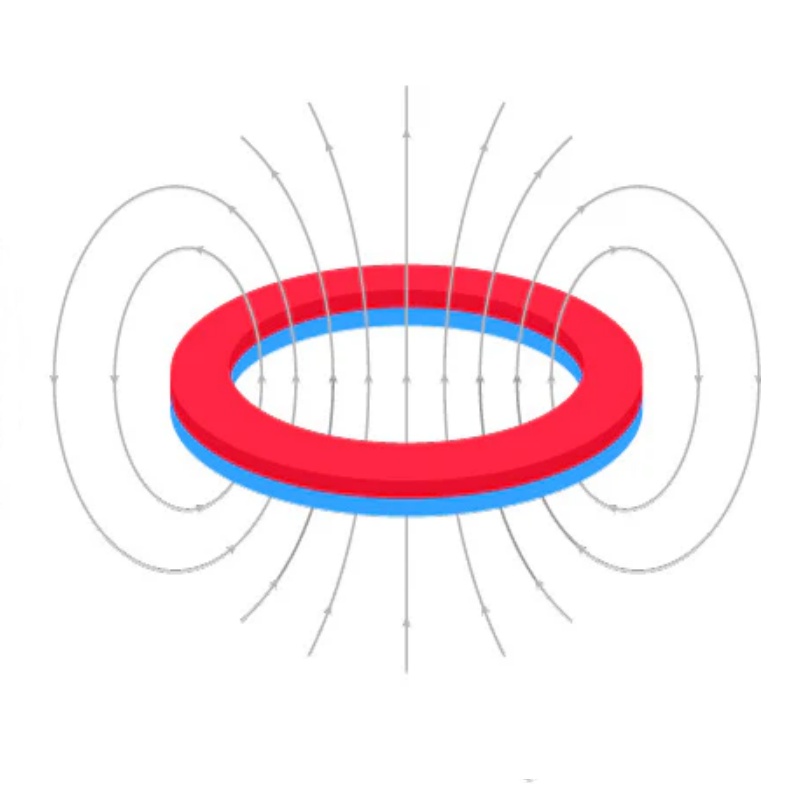
  • Magnetic Field Shape: A thinner magnet tends to emit a more dispersed magnetic field, which may be less focused or weaker at short distances.

  • High temperature resistant neodymium magnet
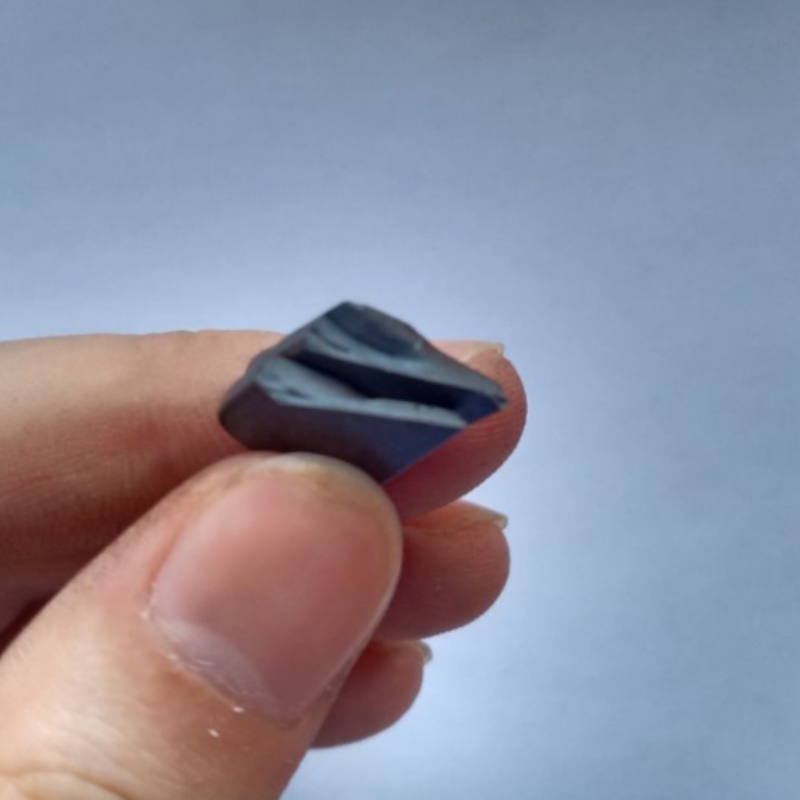
  • Super thin neodymium magnets are fragile
  • Magnetic Field of a Thin Ring Magnet


Optimal Thickness for Performance


     Through testing and experience, it’s generally found that 0.5 mm is the practical lower limit for standard-grade neodymium magnets. Below this, the magnetic strength becomes significantly weaker unless special high-grade materials (like N52) are used. In many applications, magnets with thicknesses between 0.8 mm and 1.5 mm strike the best balance between size and magnetic force.


     To offset the strength loss in ultra-thin magnets, manufacturers can:

  • Use higher grade magnetic materials (N42H, N50, or N52)

  • Increase the surface area of the magnet (larger diameter or length)

  • Employ multipole magnetization, which improves performance in applications like sensors


Common Applications of Ultra-Thin Magnets


  • Slim mobile phone covers with magnetic closures

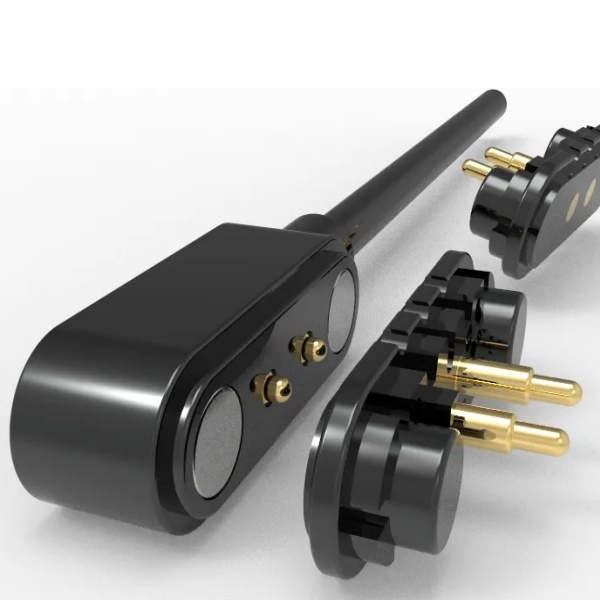
  • Magnetic connectors in wearables and IoT devices

  • Thin actuators and miniature motors

  • Micro switches and contactless sensors

  • Magnetic shielding or alignment systems in compact electronics

  • Ultra-thin magnetic charger
  • neodymium magnets for magnetic connectors
  • neodymium magnets for thin actuators
  • neodymium magnets for micro switches
  • neodymium magnet in compact electronics
  •  


Conclusion


     While neodymium magnets can be manufactured at thicknesses below 1 mm, maintaining effective strength at these sizes requires careful material selection, precision manufacturing, and often a customized solution based on your application. As a professional neodymium magnets manufacturer, we provide tailored support for ultra-thin magnet projects—whether you're developing a wearable device, compact motor, or magnetic latch. Contact us to explore custom thicknesses and design solutions that meet your technical needs.


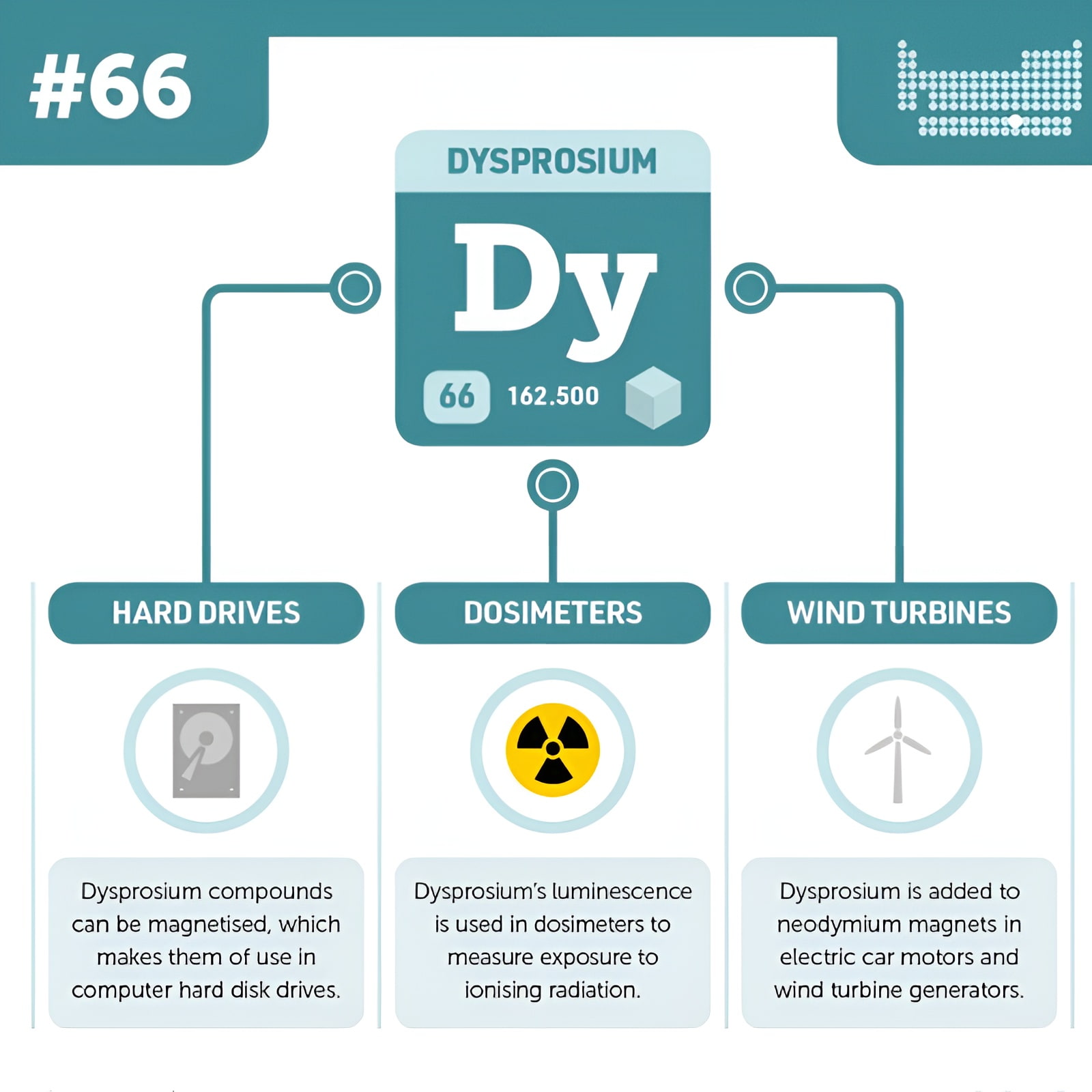
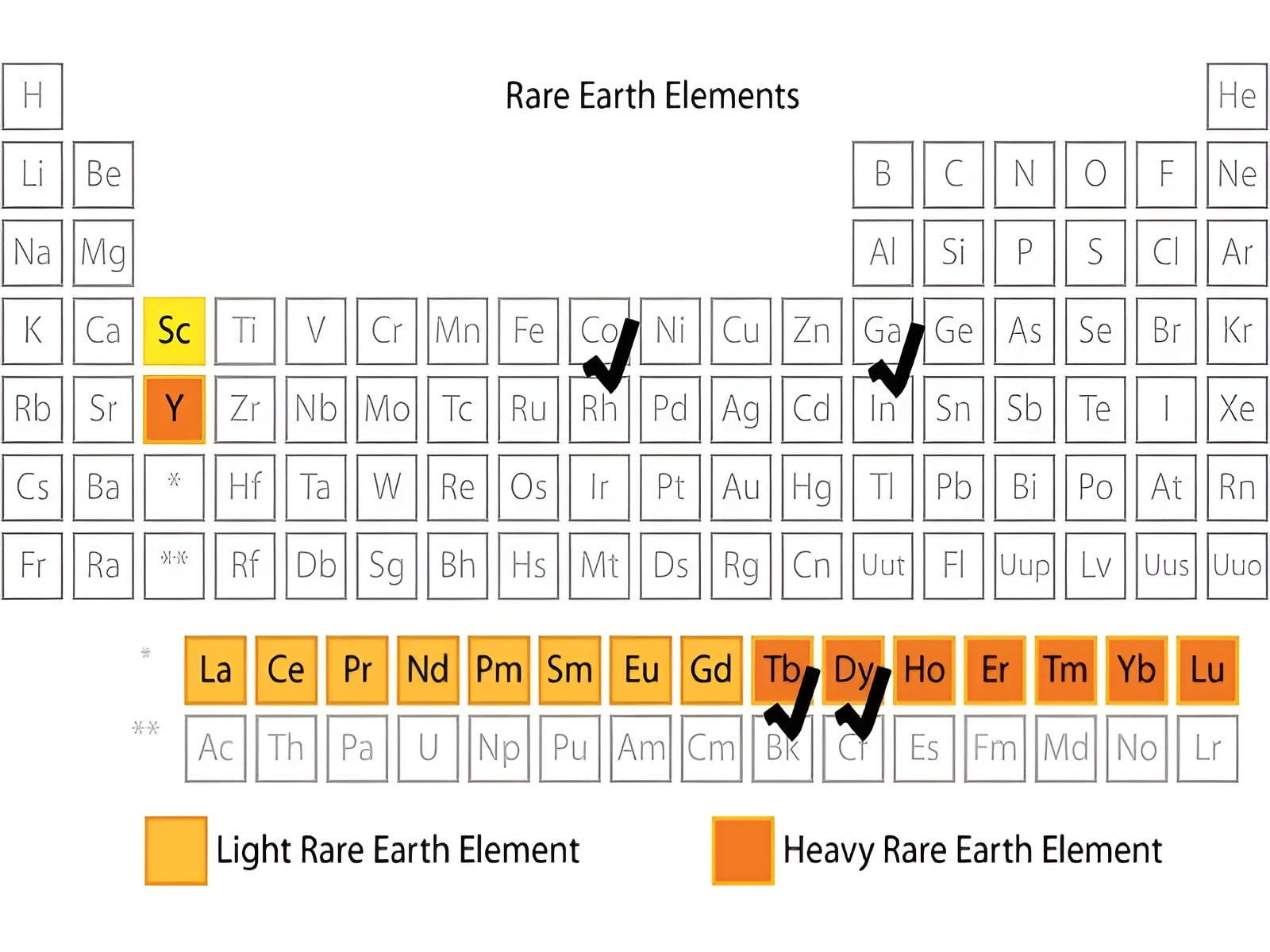
     Neodymium magnets have always been popular because they are super strong permanent magnets, playing a crucial role in industries such as renewable energy and electronics. However, their performance can be compromised at high temperatures. To address this, elements like dysprosium (Dy) and terbium (Tb) are often added. These additions enhance the magnets' thermal stability and durability, ensuring reliable performance in demanding environments.


Why Add Dysprosium to Neodymium Magnets?


Neodymium magnet dysprosium element

Dysprosium is a rare earth element known for its ability to improve the thermal stability of neodymium magnets. such as N42 N52 garde neodymium magnets, tend to lose their magnetic properties at temperatures above 80 degrees Celsius, a major limiting factor for applications such as electric motors and wind turbines. By adding dysprosium, the magnet's coercivity (ability to resist demagnetization) is significantly improved, ensuring reliable performance even at temperatures over 100°C.


The Role of Terbium and Other Elements


Rare Earth Elements

     Similar to dysprosium, terbium can also enhance the thermal resilience of neodymium magnets. Although terbium is more expensive and less abundant, its superior performance in maintaining magnetic properties under high temperatures makes it suitable for specific high-performance applications.


     In some cases, elements like cobalt (Co) and gallium (Ga) are added to refine the microstructure of the magnets. Cobalt enhances corrosion resistance, while gallium aids in grain boundary refinement, further improving the neodymium magnet's durability and longevity.


Applications of Enhanced Neodymium Magnets


     Neodymium magnets with dysprosium are commonly used in electric vehicle (EV) motors, where heat generation is substantial. They are also essential in the aerospace industry and military applications, where materials must withstand extreme environments. Additionally, wind turbines rely on these magnets to ensure consistent performance in various weather conditions.


Applications of neodymium magnets


     Due to the limited supply and high cost of dysprosium and terbium, researchers are exploring ways to reduce the reliance on these elements. Methods such as grain boundary diffusion and material recycling are gaining traction, allowing manufacturers to maintain magnetic performance while using less dysprosium.


     In conclusion, the addition of dysprosium and other elements plays a vital role in enhancing the thermal stability and durability of neodymium magnets. With the advancement of technology, experienced neodymium magnet manufacturers will strengthen their focus on the sustainable use and innovative manufacturing methods of neodymium magnets, which will further optimize the magnet performance for key applications.

     In the world of magnetic component manufacturing, even the smallest deviation in dimensions can impact performance, reliability, and assembly efficiency. This is especially true for neodymium magnets with holes, which are widely used in mounting systems, motor assemblies, magnetic fasteners, and sensor applications. For these products, the tolerance of hole positioning plays a critical role in ensuring smooth integration into the final product.


Why Hole Tolerance Matters


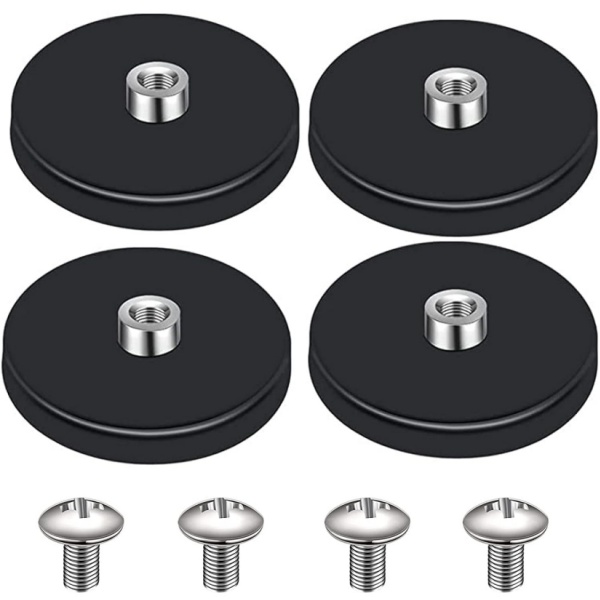
round pot magnets with screws

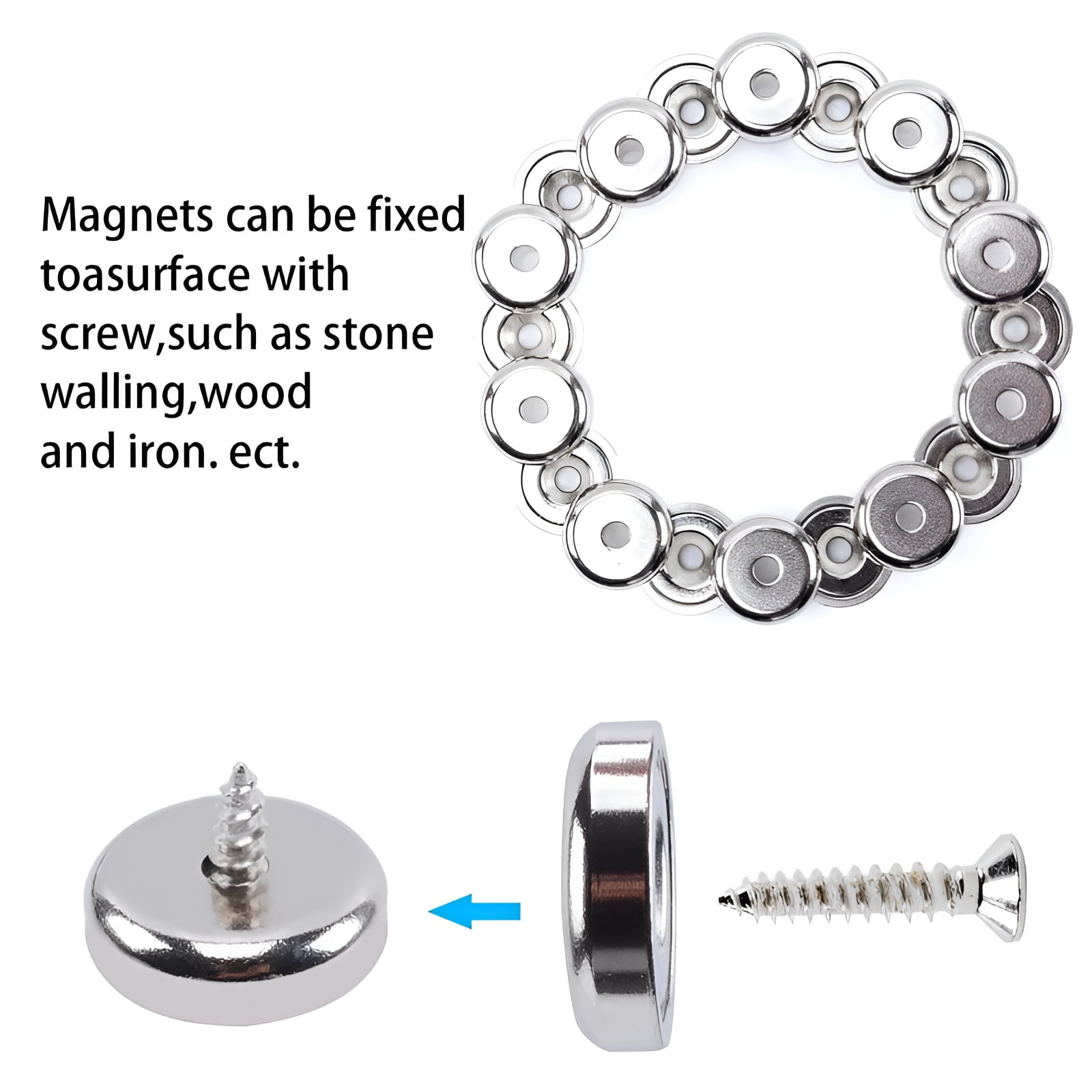
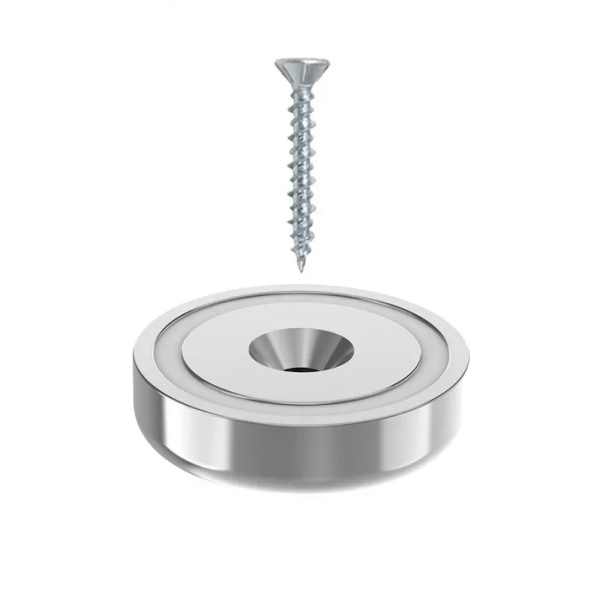
     Neodymium magnets are often designed with center or countersunk holes to allow for secure mechanical fastening—using screws, bolts, or rivets. When the hole is even slightly off-center, it can lead to misalignment during assembly, uneven magnetic force distribution, and mechanical stress. This could result in operational inefficiencies, increased wear, or even component failure in precision applications.


     For example, in sensor-based devices or electric motors, a misaligned magnet could disrupt magnetic field detection or rotor balance. Even in consumer electronics or industrial fixtures, inconsistent hole placement may slow down assembly lines or require manual adjustments.


The Benefits of Precision Manufacturing


     High precision magnet manufacturing ensures that hole placement remains within tight tolerances—often ±0.1mm or tighter. This level of accuracy helps:


  • Maintain consistent positioning during assembly

  • Enhance mechanical stability and load-bearing

  • Improve magnetic circuit performance

  • Reduce the need for rework or manual adjustments

  • Nickel mounting magnet with screw
  • Permanent magnets with screws
  • Strong Force Pot Magnets with Thread
  • Epoxy Coated Round Based Pot Magnets
  •  

     With automated production and advanced CNC machining, manufacturers like us can achieve consistent dimensional accuracy across thousands of units, making them ideal for high-volume OEM applications.


Customization Options


neodymium magnets with various hole

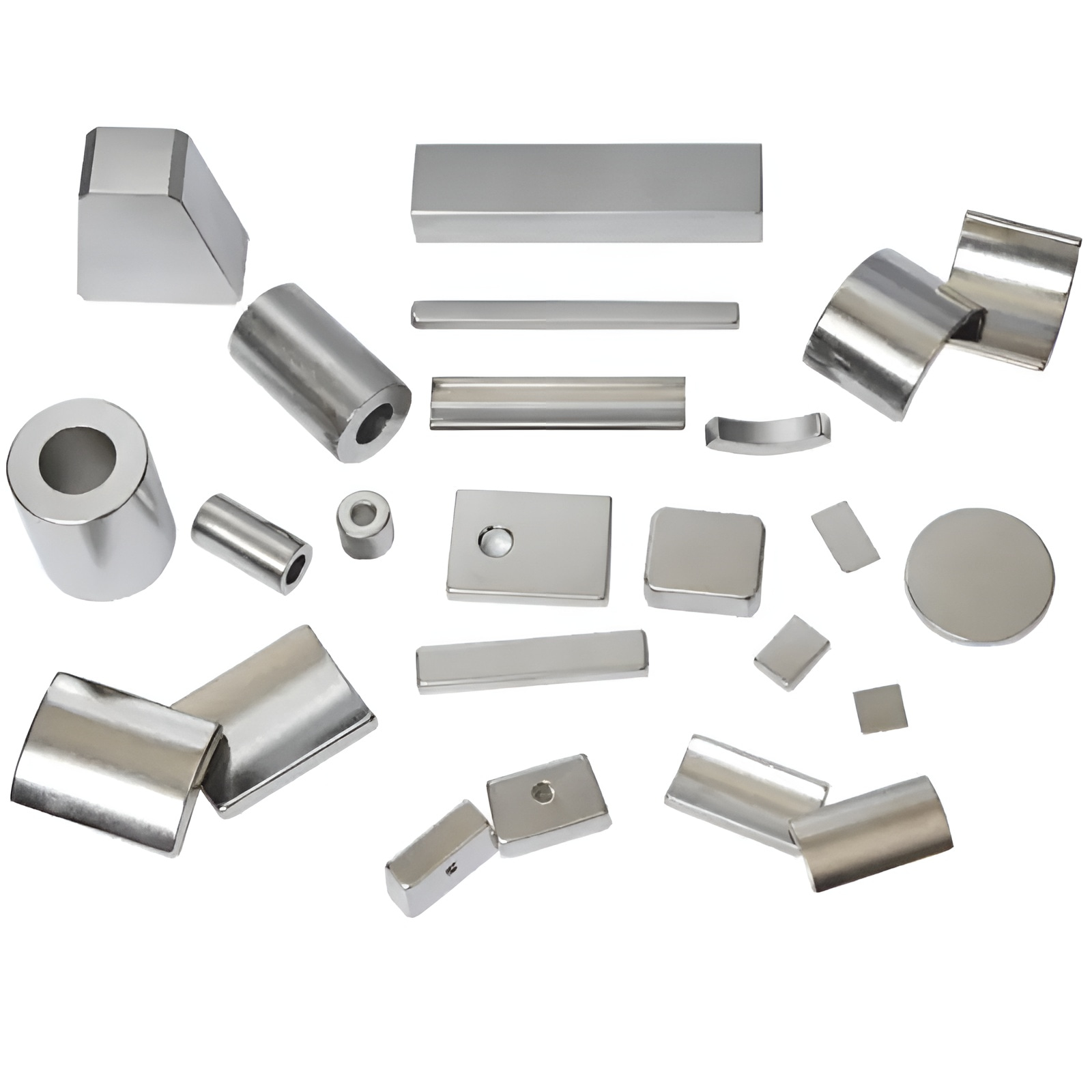
     As a leading neodymium magnet factory, we offer neodymium magnets with various hole configurations—center holes, countersunk holes, and multi-hole designs—all manufactured to your specified tolerances. Whether you need round, square, or arc magnets, we ensure every hole is accurately positioned for efficient assembly and reliable performance.


     Our team can also assist you in determining the appropriate tolerance based on your application and provide samples for testing.


Conclusion


     Precise hole positioning isn’t just a detail—it’s a foundation of reliability in magnetic assemblies. If you’re sourcing neodymium magnets for high-precision applications, make sure to partner with a manufacturer who prioritizes tolerance control. Contact us today to explore custom solutions tailored to your exact needs.

     When it comes to extreme working conditions, not all magnets are created equal. Super strong neodymium magnets, prized for their powerful magnetic force, face unique challenges when used in harsh environments. To ensure reliable performance and longevity, it's crucial to select the right type of neodymium magnet with appropriate coatings and temperature ratings.


Understanding Environmental Challenges

     Some of the harsh environments where neodymium magnets are used include:

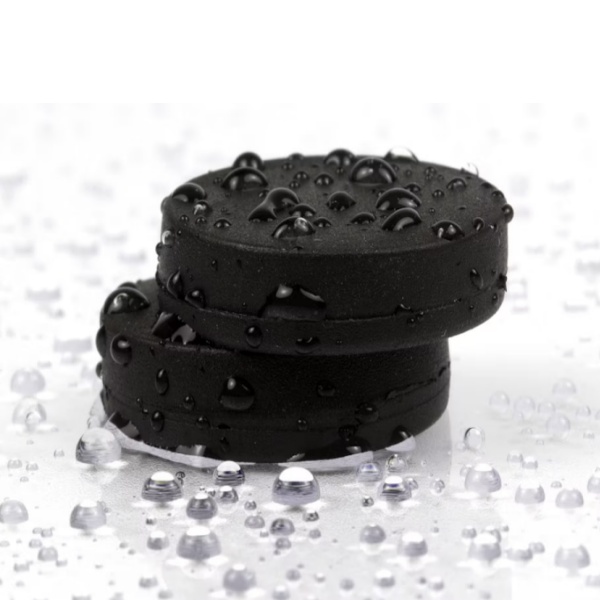
  • High Humidity or Submersion: Applications near water or in high-humidity regions increase the risk of corrosion, especially if the magnet’s surface is not well protected.

  • Salt Spray or Marine Conditions: Coastal or marine applications expose magnets to salt, which is highly corrosive.

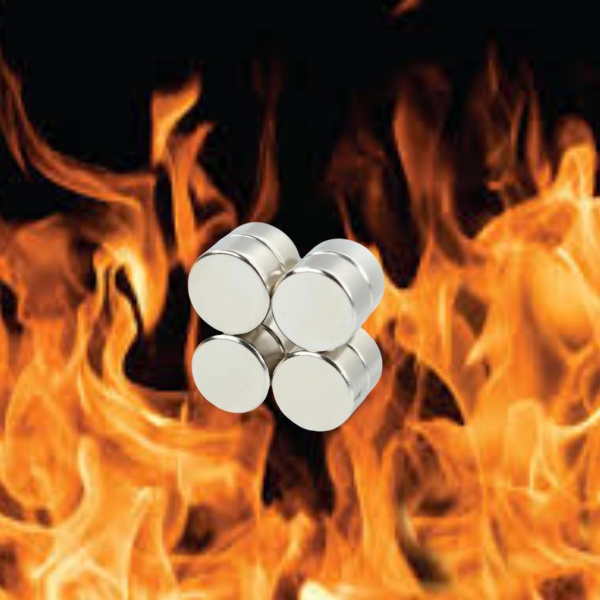
  • High Temperatures: Elevated temperatures can cause standard neodymium magnets to lose magnetism permanently.

  • Chemically Active Environments: Exposure to acids, alkalis, or industrial solvents can degrade the magnet’s coating and core material.

  • Epoxy Coated Round Disc Magnets
  • Waterproof Epoxy Ring Ndfeb Magnets
  • High Temperature N50M Disc Magnets
  • Permanent Rare Earth Magnets


Choosing the Right Magnet Grade

     Standard neodymium magnets like N35 or N42 may not be suitable for harsh environments. Instead, consider high-temperature grades such as:

  • N42SH, N48SH, N35UH, N38EH: These magnets are designed to maintain stable magnetic performance at elevated temperatures ranging from 150°C to over 200°C, depending on the grade.

     Choosing the right grade ensures that the magnet performs reliably over time without losing magnetic force due to thermal stress.


Neodymium  Br Hcb Hcj (Bh)max Tw
Grade mT kGs kA/m kOe kA/m kOe kJ/m3 MGOe
N35 1170-1220 11.7-12.2 868 10.9 955 12 263-287 33-36 80
N38 1220-1250 12.2-12.5 899 11.3 955 12 287-310 38-39 80
N40 1250-1280 12.5-12.8 907 11.4 955 12 302-326 38-41 80
N42 1280-1320 12.8-13.2 915 11.5 955 12 318-342 40-43 80
N45 1320-1370 13.2-13.7 915 11.5 955 12 342-367 41-44 80
N48 1380-1420 13.8-14.2 923 11.6 955 12 366-390 46-49 80
N50 1400-1450 14.0-14.5 796 10 876 11 382-406 48-49 80
N52 1430-1480 14.3-14.8 796 10 876 11 398-422 50-53 80
35M 1170-1220 11.7-12.2 868 10.9 1114 14 263-297 33-36 100
38M 1220-1250 12.2-12.5 899 11.3 1114 14 297-310 36-39 100
40M 1250-1280 12.5-12.8 923 11.6 1114 14 302-326 38-41 100
42M 1280-1320 12.8-13.2 955 12 1114 14 318-342 40-43 100
48M 1360-1430 13.6-14.3 1027 12.9 1114 14 366-390 46-49 100
50M 1400-1450 14.0-14.5 1033 13 1114 14 382-406 48-51 100
33H 1130-1170 11.3-11.7 836 10.5 1353 17 247-271 31-34 120
35H 1170-1220 11.7-12.2 868 10.9 1353 17 263-287 33-36 120
38H 1220-1250 12.2-12.5 899 11.3 1353 17 287-310 36-39 120
40H 1250-1280 12.5-12.8 923 11.6 1353 17 302-326 38-41 120
42H 1280-1320 12.8-13.2 955 12 1353 17 318-342 40-43 120
45H 1300-1360 13-13.6 963 12.1 1353 17 326-358 43-46 120
48H 1370-1430 13.7-14.3 995 12 1353 17 366-390 46-49 120
30SH 1080-1130 10.8-11.3 804 10.1 1592 20 223-247 28-31 150
33SH 1130-1170 10.3-11.7 844 10.6 1592 20 247-271 31-34 150
35SH 1170-1220 11.7-12.2 876 11 1592 20 263-287 33-36 150
38SH 1220-1250 12.2-12.5 907 11.4 1592 20 287-310 36-39 150
40SH 1240-1280 12.5-12.8 939 11.8 1592 20 302-326 36-41 150
42SH 1280-1320 12.8-13.2 987 12.4 1592 20 318-342 40-43 150
45SH 1320-1380 13.2-13.8 1003 12.6 1592 20 342-366 43-46 150
28UH 1020-1080 10.2-10.8 764 9.6 1990 25 207-231 26-29 180
30UH 1080-1130 10.8-11.3 812 10.2 1990 25 223-247 28-31 180
33UH 1130-1170 11.3-11.7 852 10.7 1990 25 247-271 31-36 180
35UH 1170-1220 11.8-12.2 860 10.8 1990 25 263-287 33-36 180
38UH 1220-1250 12.2-12.5 876 11 1990 25 287-310 36-39 180
40UH 1250-1280 12.5-12.8 899 11.3 1990 25 302-326 31-41 180
28EH 1040-1090 10.4-10.9 780 9.8 2388 30 207-231 26-29 200
30EH 1080-1130 10.8-11.3 812 10.2 2388 30 223-247 28-31 200
33EH 1130-1170 11.3-11.7 836 10.5 2388 30 247-271 31-36 200
35EH 1170-1220 11.7-12.2 876 11 2388 30 263-287 33-36 200
38EH 1220-1250 12.2-12.5 899 11.3 2388 30 287-310 36-39 200
28AH 1040-1090 10.4-10.9 787 9.9 2642 33 207-231 26-29 230
30AH 1080-1130 10.8-11.3 819 10.3 2642 33 223-247 28-31 230
38AH 1130-1170 11.3-11.7 843 10.6 2642 33 247-271 31-34 230


Protective Coatings That Make a Difference

     Coating is the first line of defense for neodymium magnets. For demanding environments, opt for:

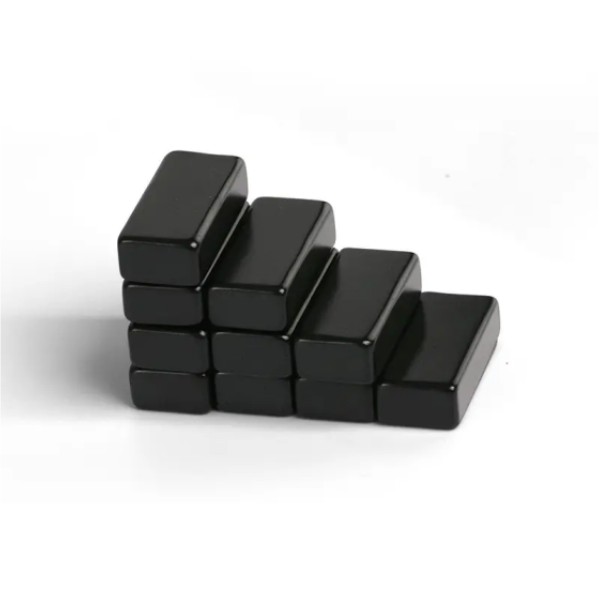
  • Epoxy Coating: Ideal for humid or moderately corrosive environments. Offers better moisture resistance than standard nickel.

  • PTFE (Teflon) Coating: Highly chemical-resistant and non-stick, ideal for medical or food-related uses.

  • Plastic or Rubber Encapsulation: Adds a waterproof barrier and physical cushioning for shock resistance.

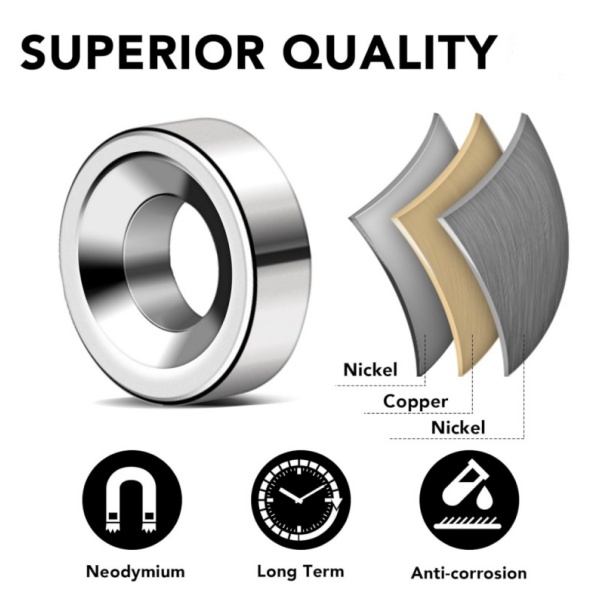
  • Multi-layer Coating (Ni-Cu-Ni): Offers combined durability, corrosion resistance, and aesthetics.

  • black epoxy block neodymium magnet
  • PTFE (Teflon) Coating Cylinder Magnets
  • Rubber Coated Round Magnets with Thread
  • Round Countersunk Magnets Ni-Cu-Ni Coated


Custom Solutions for Extreme Conditions

     As a professional magnets manufacturer, we offer tailored neodymium magnet solutions based on your working conditions. Whether you need arc magnets for motors exposed to oil and dust, or tiny magnets for outdoor sensors enduring rain and snow, we can recommend the right material grade, coating, and packaging method.

     We also provide custom magnet assemblies and testing support to verify performance before mass production.


Conclusion

     The success of your magnetic application depends not only on the strength of the magnet but also on its ability to endure environmental stress. By choosing the right magnet grade and protective coating, you can extend product life, reduce maintenance, and ensure safety and efficiency.

     Need help selecting the right neodymium magnet for your harsh environment? Contact us today for expert advice and customization support.