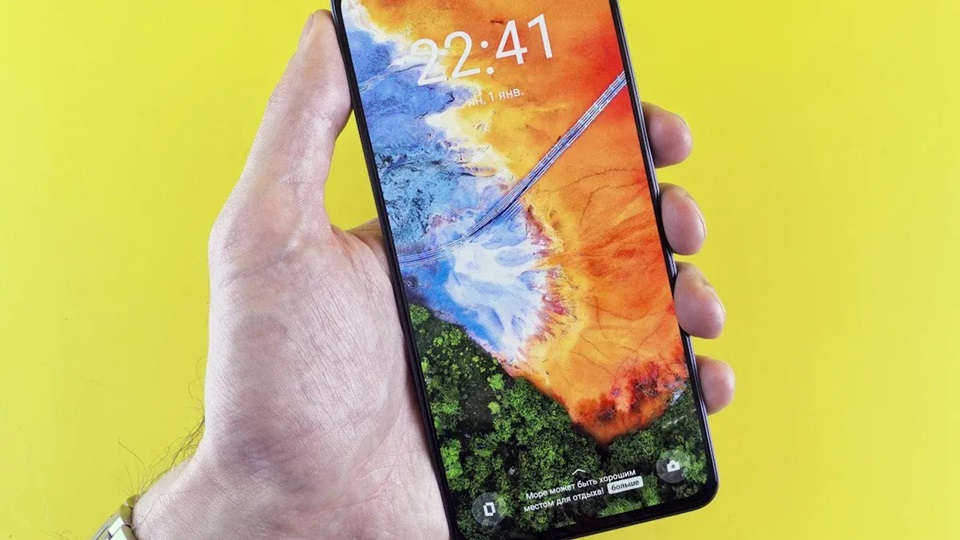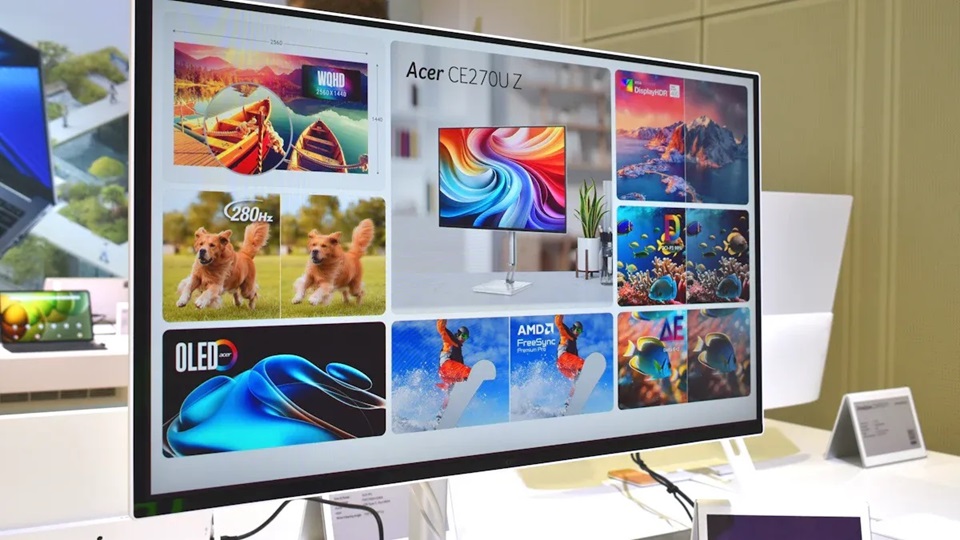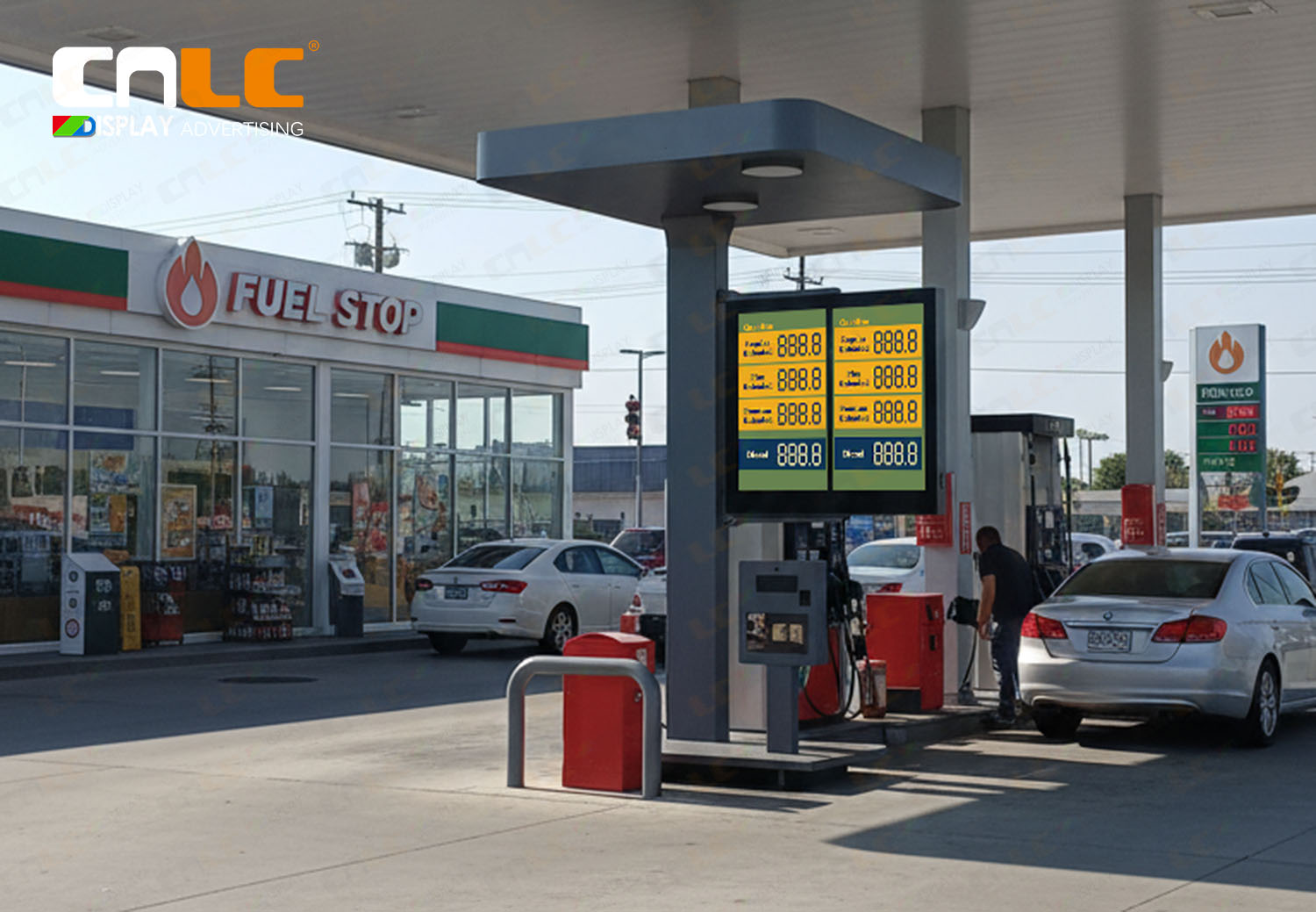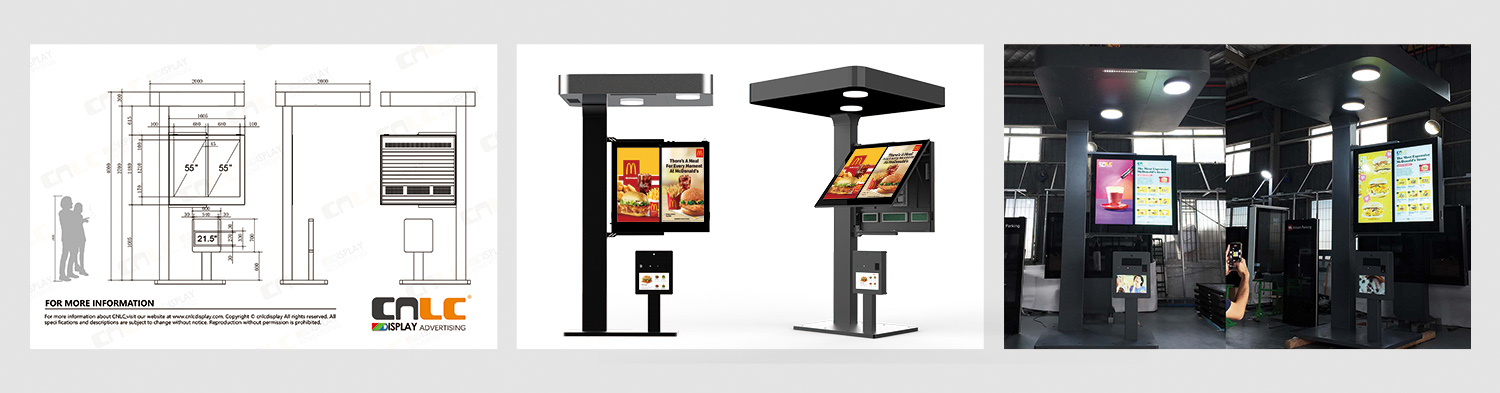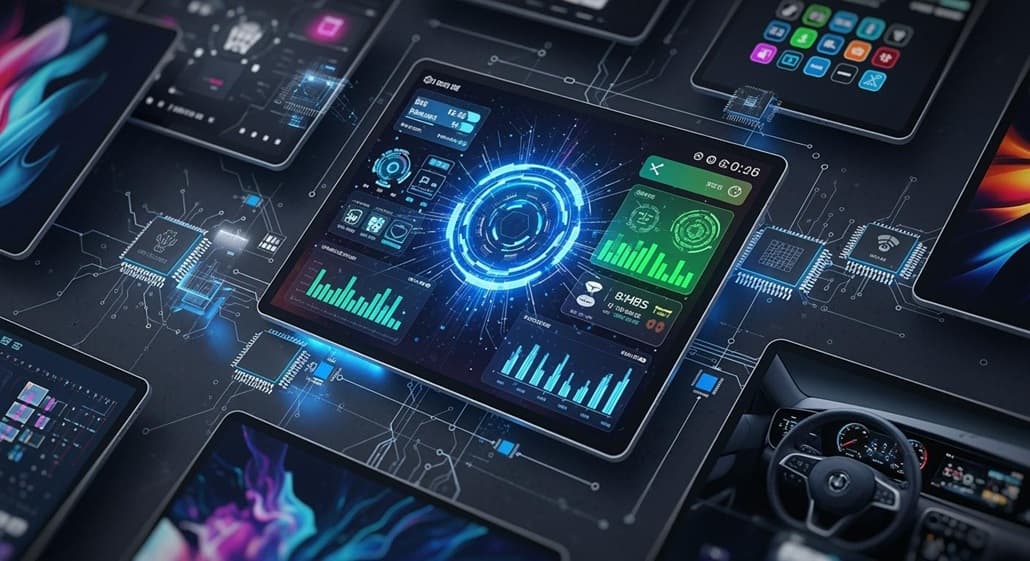
LED digital tube, TFT lcd screen, and OLED screen are three types of screens widely used in electronic devices, with significant differences in composition, technical principles, and applications.

1、 LED digital tube

Composition: The LED digital tube is composed of multiple LED light-emitting diodes, each corresponding to a part of a number or symbol on the digital tube. They are encapsulated in a transparent plastic or glass casing to form a cohesive display unit.

Technical principle: The working principle of LED digital tube is based on the luminous characteristics of LED. When current passes through an LED, the LED emits light, and the color of the light depends on the material of the LED. In a digital display, numbers, letters, or symbols can be displayed by controlling the brightness of different LEDs.

Application: LED digital tubes are widely used in various occasions that require digital display, such as electronic clocks, counters, thermometers, etc., due to their simple structure, low price, and easy control.

Advantages: Energy saving and environmental protection: LED digital tubes have higher energy saving and environmental protection characteristics compared to traditional LCD displays. Due to its use of DC drive, it has lower power consumption and does not require the use of LCD screens, making it more energy-efficient. Lower cost: Compared to some high-end display technologies, LED digital tubes have a relatively lower price and are more suitable for use in some mid to low end application scenarios. Strong customizability: LED digital tubes can display different characters through different combinations of LEDs, thus having high customizability and allowing for different designs and production according to needs.

Disadvantages: Limited display effect: Compared with TFT and OLED screens, LED digital tubes have a simpler display effect and are usually used to display numbers, letters, and simple graphics. They are not suitable for displaying high-definition videos or complex images.
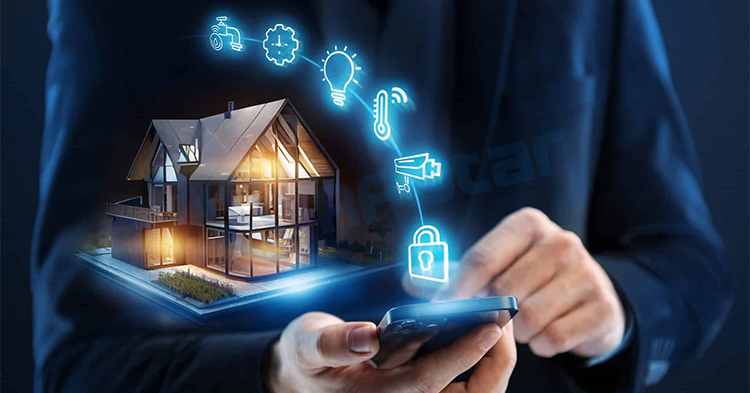
2、 TFT lcd screen (Thin Film Transistor)

Composition: TFT lcd screen is composed of multiple complex components, including liquid crystal layer, backlight module, thin film transistor, color filter, polarizer, etc. The liquid crystal layer is the core part of TFT screen, used to control the transmission and obstruction of light; The backlight module provides a light source; Thin film transistors act as switching elements to control the brightness of each pixel.

Technical principle: TFT screen belongs to a type of active matrix liquid crystal display. It controls the alignment direction of liquid crystal molecules through thin film transistors, thereby controlling the amount of light transmitted. When current passes through a thin film transistor, an electric field is generated to deflect liquid crystal molecules, thereby changing the transmittance of light and achieving image display.

Application: TFT screens are widely used in high-end electronic products such as smartphones, tablets, LCD TVs, etc. due to their advantages of high definition, high color reproduction, and low energy consumption.

Advantages: High Resolution: TFT screens typically have high resolution and can present clear images and text, making them suitable for tasks such as reading, watching high-definition videos, and graphic design. Fast response time: Due to the use of LCD technology, TFT screens have a fast response time, suitable for playing dynamic content and games, reducing motion blur and ghosting. Multifunctionality: TFT screens are widely used in various electronic devices, including smartphones, tablets, televisions, computer monitors, etc., to meet different user needs. Wide viewing angle: TFT screens typically have a good viewing angle and can maintain image quality even at oblique angles.
Disadvantages: High energy consumption: TFT screens typically require a backlight source to generate brightness, which may result in higher energy consumption, especially when displaying high brightness content. Black level limitation: Compared to OLED, TFT screens may have some limitations when displaying dark black, as LCD cannot completely turn off the light source.

3、 OLED screen (Organic Light Emitting Diode)

Composition: OLED screen is composed of organic light-emitting material layer, anode, cathode, and encapsulation layer. The organic light-emitting material layer is the core part of OLED screens, and when current passes through it, the organic material emits light.

Technical principle: The working principle of OLED screens is based on the electroluminescence phenomenon of organic materials. When current passes through the organic luminescent material layer, electrons and holes recombine in the luminescent layer to produce excitons, which release energy and emit light when they decay. Each pixel of an OLED screen can independently emit light and control brightness, thus having extremely high contrast and color saturation.

Application: OLED screens are widely used in fields such as smartphones, high-end TVs, wearable devices, etc. due to their advantages of self illumination, high contrast, wide viewing angle, and low power consumption. In addition, OLED screens can also achieve curved and flexible design, providing more possibilities for product design.

Advantages: Self luminous: OLED screens emit light at each pixel, making them thinner and lighter than LCDs, and do not require a backlight source, allowing for higher contrast and deeper black color. Low power consumption: OLED screens save structures such as backlight, LCD, and color filters, resulting in lower power consumption. Flexible display: OLED screens can achieve flexible display, providing more possibilities for future electronic device design. Vibrant colors: OLED screens have higher color saturation, resulting in more vivid image colors.

Disadvantages: High cost: The production process of OLED screens is complex, so the price is relatively high. Short lifespan: OLED organic materials have a limited lifespan, typically only a few thousand hours. Risk of burn-in: OLED screens may experience burn-in when displaying static images for a long time at low brightness. We are professional lcd display manufacturer, get more details from www.gvlcd.com quickly.


In the rapidly evolving world of display technology, two names stand out: TFT LCD and OLED. As a leading provider of innovative display solutions, Goldenvision is often asked: which display technology is superior? The answer isn't straightforward, as each has its own strengths and ideal use cases. In this article, we’ll break down the differences to help you make an informed decision.


What is TFT LCD?

TFT LCD (Thin-Film Transistor Liquid Crystal Display) is a variant of LCD that uses thin-film transistor technology to improve image quality. Each pixel is controlled by one to four transistors, allowing for sharper and more vibrant images compared to traditional LCDs.

Advantages of TFT LCD:

High Brightness: Ideal for outdoor use and well-lit environments.

Long Lifespan: Less susceptible to screen burn-in compared to OLED.

Cost-Effective: Generally more affordable for larger displays.

Wide Availability: Commonly used in smartphones, monitors, and televisions.


Key Comparisons

Feature

TFT LCD

OLED

Black Levels

Good

Excellent

Brightness

High

Moderate

Response Time

Slower

Faster

Lifespan

Longer

Shorter

Cost

Lower

Higher

Flexibility

Rigid

Flexible


What is OLED?

OLED (Organic Light-Emitting Diode) technology uses organic compounds that emit light when an electric current is applied. Unlike TFT LCDs, OLED displays do not require a backlight, allowing for deeper blacks and more vibrant colors.

Advantages of OLED:

Perfect Blacks: Individual pixels can turn off completely, resulting in infinite contrast ratios.

Faster Response Times: Better for fast-moving content like gaming and sports.

Flexibility: Can be used in curved or flexible displays.

Energy Efficiency: Consumes less power when displaying dark content.


Which One Should You Choose?

Choose TFT LCD If:

You need a display for bright environments.

You prioritize longevity and reduced risk of burn-in.

Budget constraints are a concern.


Choose OLED If:

You want superior image quality with deep blacks and vibrant colors.

You need a display for multimedia consumption or gaming.

Flexibility and sleek design are important.


Conclusion

Both TFT LCD and OLED have their unique advantages. At Goldenvision, we offer a range of display solutions tailored to your needs. Whether you value the reliability and brightness of TFT LCD or the stunning visuals of OLED, we have the perfect display for you.

Contact us today to learn more about our products and find the ideal display technology for your application!

According to the latest report released by the globally renowned market research firm Omdia, the global shipment of LCD panels (9 inches and above) is expected to reach 875 million units by 2025, a year-on-year increase of 2.9%, and the market is showing a steady recovery trend. Among them, panel manufacturers in Chinese Mainland have performed particularly well. It is estimated that the shipment volume will increase by 4.8%, and continue to lead the global market.


According to the analysis of the report, this growth is mainly due to the strong cost control ability of manufacturers in Chinese Mainland, complete industrial chain support and flexible market strategy. Faced with market fluctuations, major manufacturers have adopted a strategy of "conservative expansion" and "on-demand production", effectively maintaining the supply and demand balance and price stability of the global LCD market, and avoiding vicious competition. In addition, the demand for segmented markets such as in car displays, high-end commercial displays, and smart home control screens has provided new impetus for the growth of the LCD industry.


As an important participant in the LCD industry, Golden Vision closely monitors global market trends and actively optimizes its production capacity layout and product structure. The company is committed to providing customers with high-performance and high reliability industrial and commercial grade LCD displays, and has won a good reputation in the global market with fast response and customized services.


The Marketing Director of Golden Vision stated, 'We agree with Omdia's assessment of market trends.'. The future competition will be a comprehensive competition of technology, quality, and supply chain stability. Golden Vision will continue to focus on technological innovation, deepen its layout in sub sectors such as industrial control and healthcare, and grow together with customers.


gvlcd


Look around you. Whether you're reading this on your smartphone, glancing at your laptop monitor, or checking the time on your smartwatch, there's a very high chance you're looking at a TFT LCD display. This technology is the workhorse behind the visual interface of countless modern devices. But what exactly is a TFT LCD, and how does it create the bright, colorful images we see every day? Let's dive in and demystify this engineering marvel.


tft lcd display


What is a TFT LCD?


First, let's break down the acronym:


LCD (Liquid Crystal Display): An LCD is a flat-panel display that uses the light-modulating properties of liquid crystals. These crystals don't produce their own light; instead, they rely on a backlight and act like tiny shutters to either block or allow light to pass through.


TFT (Thin-Film Transistor): This is the active matrix technology that drives the LCD. A TFT is a special type of transistor made from a thin film of semiconductor material deposited on a glass panel. For every single pixel on the screen, there are one or more of these tiny transistors.


So, a TFT LCD is essentially an active matrix LCD where each pixel is controlled by one to four transistors. This setup allows for faster response times, sharper images, higher contrast, and better color reproduction compared to older, passive matrix LCDs. It's the "smart" and precise way to control an LCD.


How Does a TFT LCD Work?


The magic of a TFT LCD lies in its layered structure and precise control of light. Here’s a step-by-step breakdown:


1. The Backlight:

The process starts with a bright white LED backlight at the rear of the display assembly. This light source is always on, providing the illumination for the entire screen.


2. The Polarizers:

The light first passes through a polarizing filter. This filter only allows light waves vibrating in a specific direction to pass through, creating polarized light.


3. The Liquid Crystal Layer:

This polarized light then reaches the layer of liquid crystals. Each pixel is made up of three sub-pixels—red, green, and blue (RGB)—each with its own transistor. By applying a precise electrical voltage via the TFT, the twist of the liquid crystals changes. This twisting action either twists the polarized light to allow it through or untwists to block it, acting like a microscopic shutter for each sub-pixel.


4. The Color Filter:

After passing through the liquid crystal layer, the light hits a color filter. This filter has individual red, green, and blue segments for each sub-pixel. The amount of light that passed through each sub-pixel now shines through its corresponding color filter, creating the exact shade of red, green, or blue needed.


5. The Second Polarizer:

Finally, the light passes through a second polarizing filter. This filter is oriented at a 90-degree angle to the first one. Its job is to analyze the light that has been altered by the liquid crystals. The combination of these two filters and the liquid crystals' twisting action ultimately determines whether light is allowed to pass through for that pixel or not.


Your brain blends the intense of these millions of tiny red, green, and blue sub-pixels together to perceive a single, full-color pixel. Millions of these pixels working together form the complete image on your screen.


Key Advantages of TFT LCDs


High Contrast & Image Quality: Offers sharp and vibrant images.


Cost-Effective: Mature manufacturing processes make them relatively inexpensive to produce.


Long Lifespan: LEDs have a very long operational life.


Reliability: Solid-state technology with no moving parts.


Conclusion


TFT LCD technology is a masterpiece of engineering that combines the precise control of thin-film transistors with the unique light-modulating properties of liquid crystals. From your phone to your TV and the dashboard in your car, this reliable, efficient, and cost-effective technology continues to be a dominant force in bringing digital information to life right before our eyes. Gvlcd is a professional TFT LCD display manufacturer,get more details from us quickly!

An LCD display, which stands for Liquid Crystal Display, is a type of flat-panel display technology that uses the light-modulating properties of liquid crystals to display images.


Here's a breakdown of how it generally works and its key characteristics:


How it works:


Liquid Crystals: Unlike traditional solids or liquids, liquid crystals have unique properties. Their molecules can be aligned or rotated when an electric current is applied.


Backlight: LCDs don't emit light directly. Instead, they rely on a backlight (usually LED-based in modern displays) that shines light through the display.


Polarizers: Before the light from the backlight reaches the liquid crystal layer, it passes through a polarizing filter that aligns the light waves in a specific direction.


Electrodes: A grid of electrodes surrounds the liquid crystal layer. When an electric voltage is applied to these electrodes, it causes the liquid crystal molecules to twist or untwist.


Light Modulation: As the liquid crystals change their orientation, they either allow or block the polarized light from passing through.


Color Filters (for color displays): For color LCDs, the light then passes through tiny colored filters (red, green, and blue) for each pixel. By varying the amount of light that passes through each sub-pixel, a full spectrum of colors can be created.


Image Formation: The combination of many such pixels, each controlled independently, forms the complete image on the screen.


Key Characteristics and Advantages:


Thin and Lightweight: LCDs are significantly thinner and lighter than older display technologies like Cathode Ray Tube (CRT) monitors.


Low Power Consumption: They consume less power, making them ideal for portable devices and energy-efficient electronics.


Versatility: LCDs are used in a wide range of devices, from small digital watches and calculators to large televisions, computer monitors, and smartphones.


Sharp Image Quality: They can produce sharp and clear images, especially high-resolution models.


Flat Panel: Their flat design makes them suitable for modern, sleek device aesthetics.


In essence, an LCD display manipulates light rather than emitting it directly, using the unique properties of liquid crystals to control the passage of light and create images.

It's a common misconception that "LCD" and "LED" are completely separate and competing display technologies. In reality, almost all modern "LED" displays for TVs, monitors, and smartphones are actually a type of LCD display that uses LED backlighting.


Here's the crucial clarification:


LCD (Liquid Crystal Display): This refers to the core technology that uses liquid crystals to control the passage of light for each pixel. Liquid crystals don't emit their own light, so they need a light source behind them.


LED (Light Emitting Diode): This refers to the type of light source used for the backlight.


The "LCD vs. LED" distinction you often hear is typically comparing:


Older LCDs with CCFL (Cold Cathode Fluorescent Lamp) backlights: These were the original LCD displays, using fluorescent tubes for illumination.


Modern LCDs with LED backlights (often just called "LED TVs" or "LED monitors"): These replaced CCFLs with more efficient and controllable LED arrays.


So, when someone asks "Why is LCD better than LED?", they might be thinking of:


Cost: Traditional CCFL-backlit LCDs were generally cheaper to produce than early LED-backlit LCDs. While the price gap has significantly narrowed, and often LED-backlit LCDs are now the standard and very affordable, for certain specialized, very large-scale displays, there might still be cost differences.


Specific Niche Applications: In some very specific industrial or niche applications, an older CCFL-backlit LCD might still be used if extreme uniformity across the entire panel at a very low cost is paramount, and the other benefits of LED backlighting aren't as critical. However, this is becoming increasingly rare.


Misunderstanding of Terminology: The most common reason is simply a misunderstanding that "LED" is a completely different display technology, when it's actually an improvement in the backlight of an LCD.


Why LED Backlighting is generally "better" for LCDs (and why the market shifted):


When comparing modern LED-backlit LCDs to older CCFL-backlit LCDs, the LED versions offer significant advantages:


Energy Efficiency: LEDs consume less power, leading to lower energy bills and a more environmentally friendly product.


Thinner Design: LEDs are smaller and more versatile, allowing for much thinner display panels.


Improved Picture Quality (especially with local dimming):


Higher Contrast: With LED backlighting, especially Full-Array Local Dimming (FALD), specific zones of LEDs can be dimmed or brightened independently. This allows for much deeper blacks and brighter whites in different areas of the screen simultaneously, greatly improving contrast compared to CCFLs which illuminate the entire screen uniformly.


Better Brightness: LEDs can achieve higher peak brightness levels, which is crucial for HDR (High Dynamic Range) content and viewing in bright environments.


Better Color: LED backlighting can enable a wider and more accurate color gamut.


Longer Lifespan: LEDs generally have a longer operational lifespan than CCFLs.


No Mercury: CCFLs contain mercury, which is a hazardous material. LEDs are mercury-free.


The "True" LED Display (Direct View LED / MicroLED):


It's important to note there's another, more advanced display technology called Direct View LED (dvLED) or MicroLED. In these displays, the LEDs themselves are the pixels, emitting their own light directly, similar to OLED. These displays are typically used for very large video walls, stadium screens, or very high-end, large-format consumer displays. They offer incredible brightness, contrast, and seamless modularity, but are currently much more expensive than OLED or LCD.


In summary: When people talk about "LED" displays in the consumer market (TVs, monitors), they are almost always referring to LCD displays with LED backlighting. This technology is generally superior to older CCFL-backlit LCDs in most aspects. There are very few scenarios where a traditional CCFL-backlit LCD would be considered "better" than an LED-backlit LCD in today's market.

Green Factory Certification - LCD display manufacturer TSD


Team Source Display is thrilled to announce that our company have recently obtained the Provincial Green Factory Certification. As a LCD display manufacturer and solutions providers, this recognition underscores our unwavering commitment to sustainability and environmental stewardship, also recognition signifies that a manufacturing facility has met stringent criteria related to environmentally friendly practices, resource efficiency, and sustainable operations.


To meet the Green Factory’s standards, here are some aspects commonly included:

Energy Efficiency: Evaluation of the factory's energy management system, including energy consumption monitoring, energy-saving measures, and the use of renewable energy.


Water Resource Management: Assessment of water usage, water treatment facilities, and water recycling measures within the factory.


Waste Management: Evaluation of waste generation, waste segregation practices, waste reduction, and recycling measures.


Chemical Management: Examination of chemical usage, storage, and handling practices to ensure compliance with environmental regulations and safety standards.


Air Quality Management: Assessment of emissions control measures and air quality monitoring within the factory.


Ecological Conservation: Evaluation of the factory's impact on the surrounding ecosystem and measures taken to protect it, ensuring that production activities do not adversely affect the environment.


Environmental Management System: Assessment of the establishment and implementation of the factory's environmental management system, including the formulation and execution of environmental policies, objectives, and plans.


Employee Training and Awareness: Examination of efforts to cultivate environmental awareness among employees and provide environmental training to ensure the active participation of all staff in environmental practices.


The attainment of this certification serves as a testament to our dedication to reducing our environmental impact, promoting energy efficiency, and implementing eco-friendly practices throughout our operations. It not only validates our efforts in sustainable manufacturing but also highlights our responsibility towards creating a greener future for generations to come.

Furthermore, we are excited to share that our factory is currently undergoing the evaluation process for National Green Factory Certification. We anticipate the completion of this assessment by 2025 Q2, further solidifying our position as a leading advocate for eco-conscious manufacturing practices.

As we continue to strive for excellence in sustainability, let us collectively celebrate this significant milestone and reaffirm our commitment to operating as a responsible and environmentally conscious organization.


Thanks for all of our customer’s trust and support, we’re happy and continue providing the best LCD products all over the world. To know more details of tslcd LCD solutions, please contact our sales any time.


green factory


Over my 16 years of experience, clients often ask: What's the best brand of LEDs? Are well-known brands the best choice? Or are generic brands unworthy of use?

I believe that the term "brand effect" exists in any industry, and our LED industry is no exception.

Here, I summarize a few points based on my personal work experience.

The core technology of LED was invented in 1962 and was used for lighting purposes in the 1990s. After decades of development, it is a very mature technology. Almost all large factories have sufficient technical support to make LED chips. Generally speaking, there is not much difference in the quality of the led chips produced by everyone.

We conducted a set of comparative experiments using RGBW LEDs as a reference.

On the left are internationally renowned brands, and on the right are domestically produced LEDs (to avoid legal liability, we cannot specify the specific brands). Using the same 20-degree lens, the results are shown below.


From the above picture we can see that the lighting effect is almost the same. Left LED lamp is brighter a little than right one. This is a very small difference that can be almost ignored by us. So if the budget is not high, we can suggest customers to replace the well-known brand lamp beads with domestic ones.

But we cannot deny that after our long-term statistics, We can see other difference after using the finished products for a few years by customers.

That is, the brand LED chips have stronger resistance to light decay and aging. In addition, well-known LED chips are more capable of resisting the impact of current and voltage instability.

Of course, these points can only be reflected during the long-term use of the finished lamps or when encountering various emergencies.

These gaps are also very small, sometimes like the difference between 99 and 100. Therefore, if the budget is limited, we often recommend customers to use domestic LED chips.

Everyone is welcome to share more experiences and opinions. We are Rise Optoelectronics Co., Ltd, which is a professional outdoor lighting designer and manufacturer with 16 years of production experience, especially underwater lighting.


Related Reading: RGBW LED Pool Light,RGBW DMX Led Underwater Light

1. The World Cup as a Global Advertising Stage


Every FIFA World Cup is more than a football tournament—it is also a global marketing festival. In 2026, the World Cup will be jointly hosted by the United States, Canada, and Mexico, marking the largest edition in history with 48 teams and 16 host cities. For sponsors, cities, and event organizers, this means massive demand for outdoor advertising displays that can deliver impact, reliability, and innovation.


Dynamic light box installed at the main stadium entrance during FIFA World Cup 2022 in Qatar


  • Dynamic light box positioned at the exterior area of Qatar World Cup stadium
  • Dynamic light box around the stadium during FIFA World Cup 2022 in Qatar
  • Dynamic light box installed in the outer zone of the World Cup stadium in Qatar


2. Our Experience at Qatar 2022


At the 2022 World Cup in Qatar, CNLC successfully delivered dynamic light boxes that created a vibrant city atmosphere and amplified sponsor visibility. These projects proved our capability to provide customized, large-scale advertising solutions for world-class events.


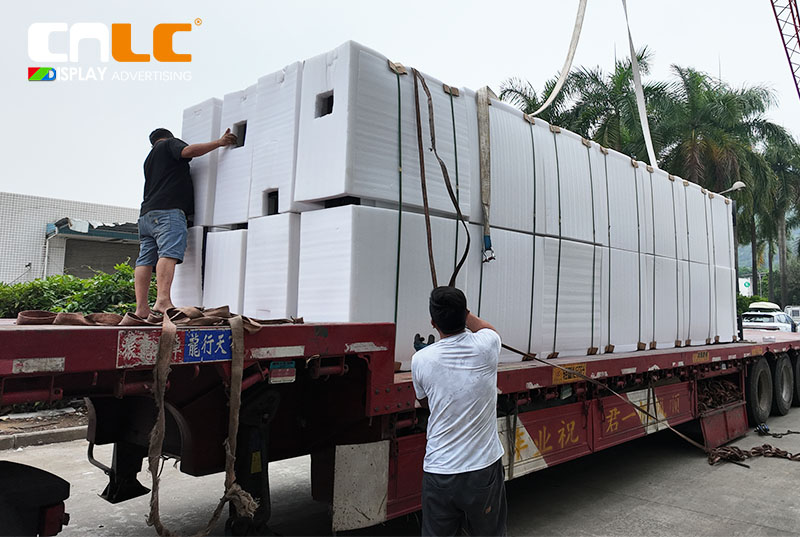
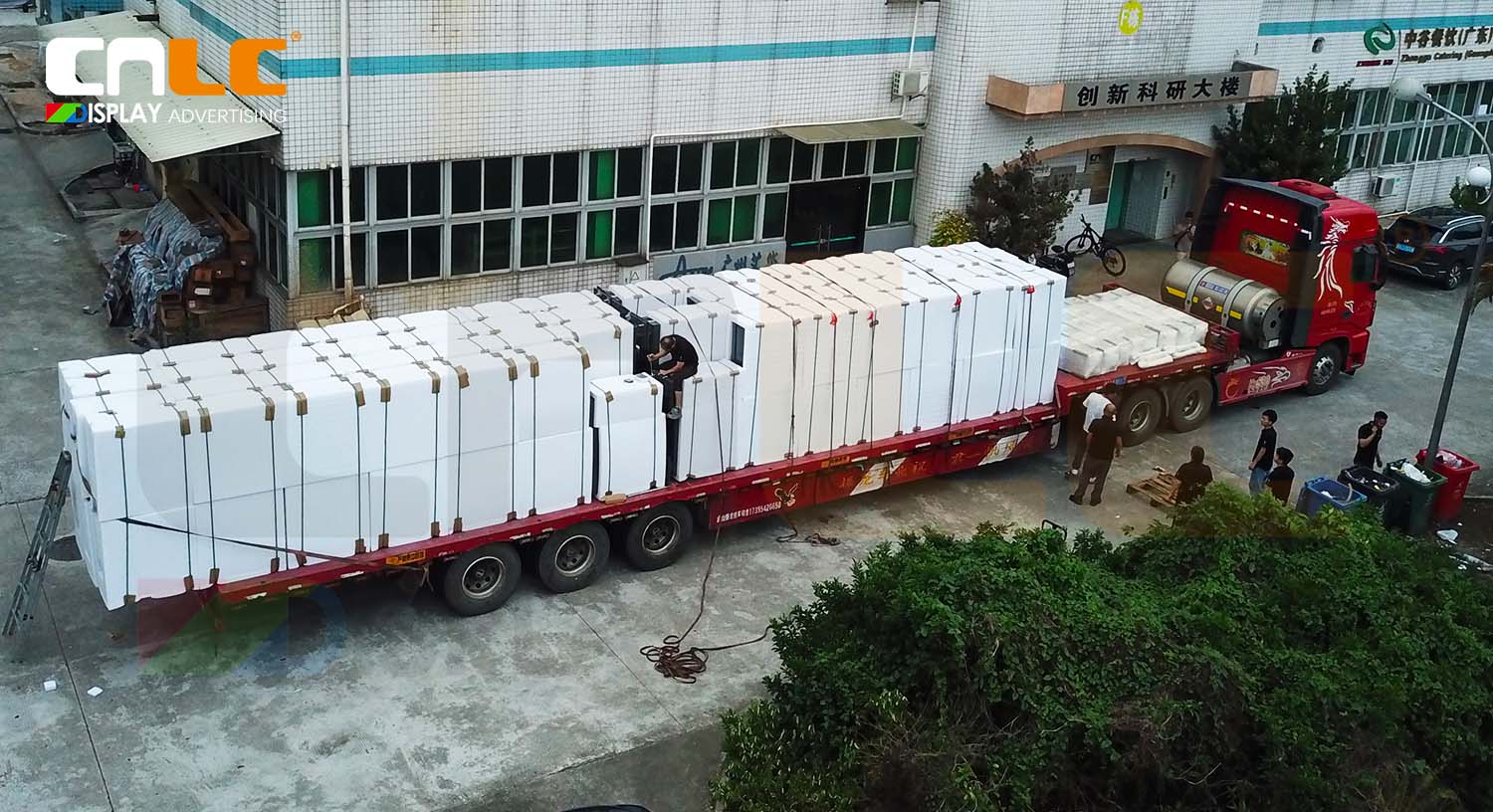
  • CNLC palletizing and loading dynamic light boxes for international shipping
  • CNLC assembly of dynamic light box with wiring and LED modules
  • CNLC dynamic light box housing assembly and sealing
  • Completed CNLC dynamic light box undergoing final quality check
  • CNLC packaging dynamic light box for FIFA World Cup shipment
  • CNLC palletizing and loading dynamic light boxes for international shipping


3. Expanding Beyond Dynamic Light Boxes


Building on our success in 2022, CNLC now offers a comprehensive portfolio of outdoor advertising products suitable for World Cup 2026 projects:

  • LED Billboards – High-brightness, weatherproof large displays for stadiums, highways, and fan zones.

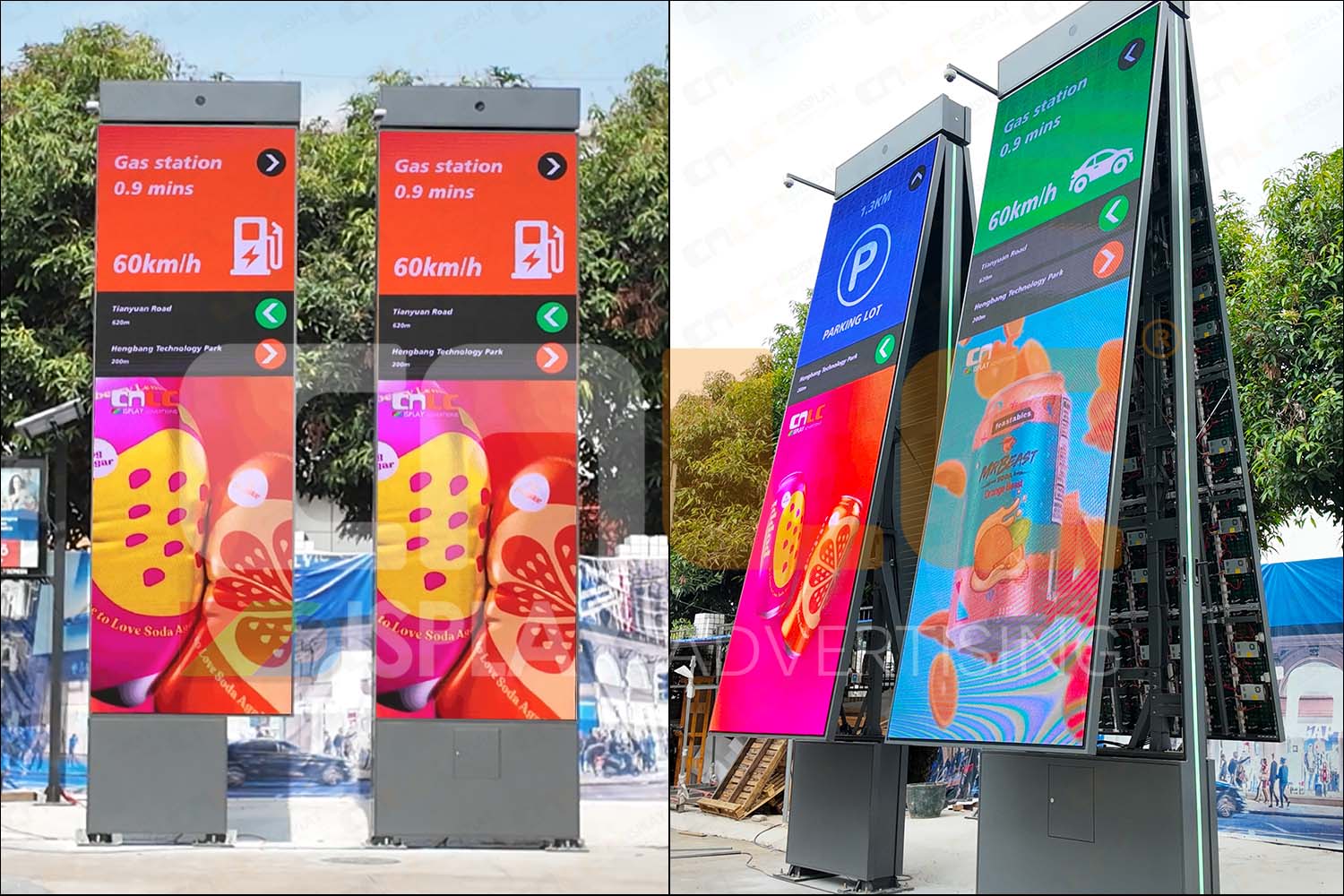
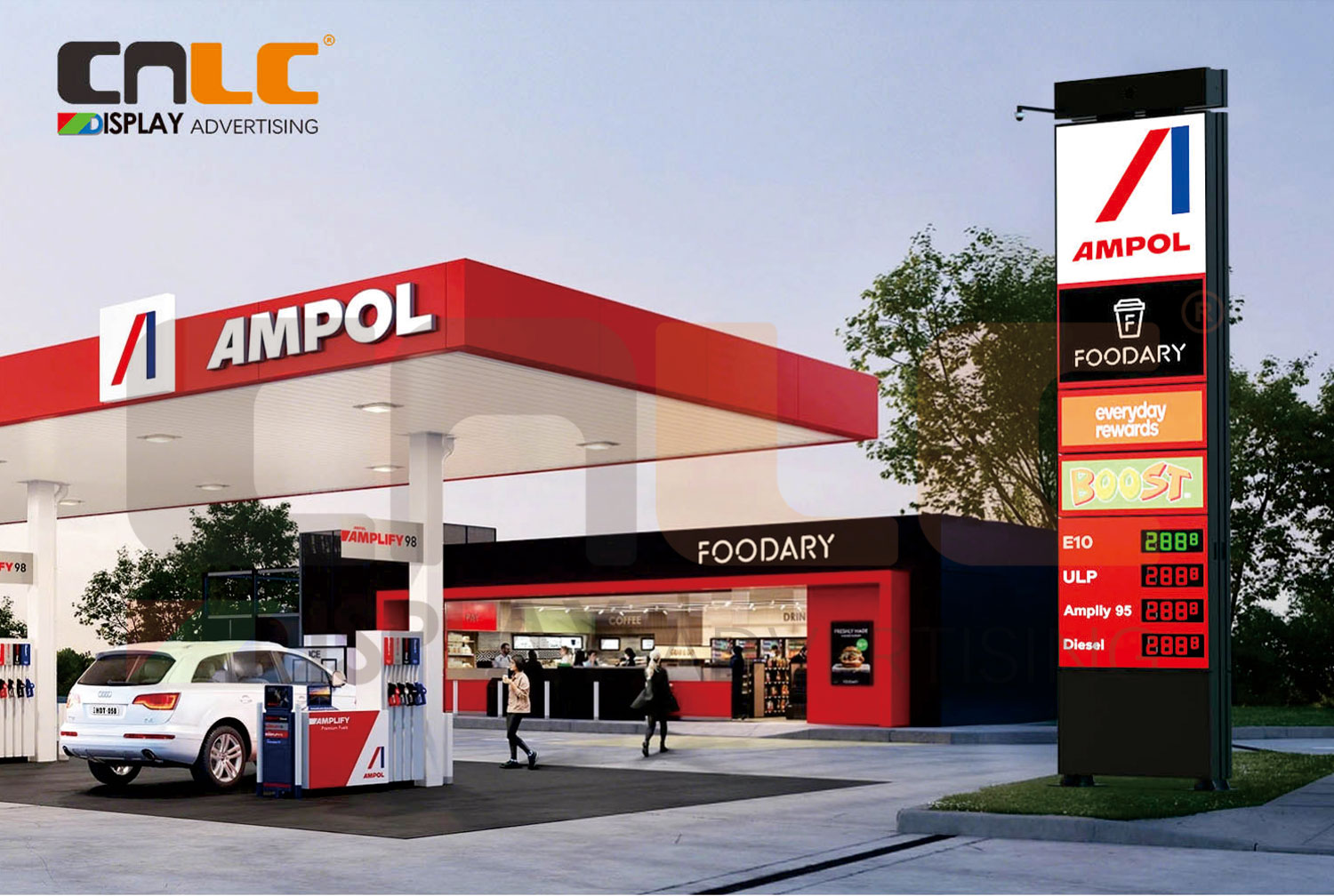
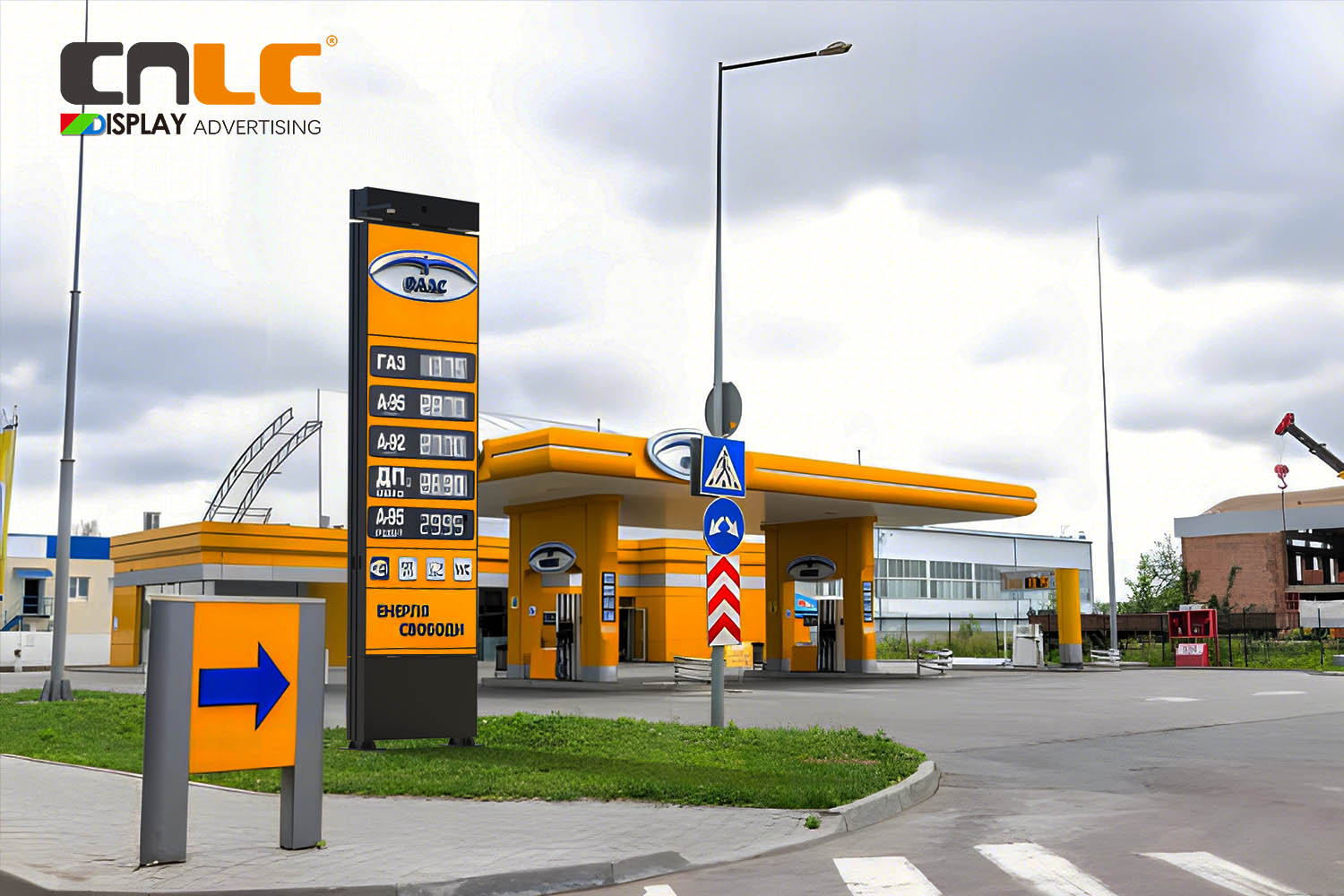
  • LED Totems – Stylish vertical displays for streets, commercial districts, and public plazas.

  • LCD Digital Displays – Ultra-clear, high-definition signage for transport hubs, retail areas, and sponsor activations.

  • Dynamic Light Boxes – Dynamic illuminated signs that enhance atmosphere and attract crowds.

With these solutions, we support cities and brands in building a multi-layered advertising ecosystem that maximizes visibility during the World Cup.

  • Comprehensive outdoor advertising solutions for global events


outdoor advertising solution


4. Opportunities for World Cup 2026 Host Cities


From New York and Los Angeles to Toronto and Mexico City, every host city will face unique advertising challenges and opportunities. CNLC products are designed to meet these needs:

  • High brightness and clarity for both daytime and nighttime visibility.

  • IP-rated, weatherproof structures to withstand outdoor conditions.

  • Energy-efficient LED and LCD technology supporting sustainability goals.

  • Customizable formats to match stadium, fan zone, and city branding requirements.


5. CNLC: Ready for World Cup 2026 Projects


With over 18 years of experience in outdoor advertising solutions, CNLC is ready to partner with event organizers, sponsors, and municipalities to deliver innovative, reliable, and visually striking displays for the 2026 FIFA World Cup.


6. Conclusion

The countdown to FIFA World Cup 2026 has already begun. Cities and sponsors aiming to capture global attention must invest in advanced advertising technologies. CNLC stands ready with LED billboards, LED totems, LCD displays, and dynamic light boxes, helping transform urban landscapes into unforgettable World Cup experiences.


👉 Contact CNLC today to discuss customized outdoor advertising solutions for FIFA World Cup 2026.


SMD, MIP, and COB: The Three Main LED Packaging Technologies You Should Know

In the LED display industry, packaging technology determines display performance, durability, and application range. Today, SMD (Surface Mounted Device), MIP (Mini LED in Package), and COB (Chip-on-Board) are the three most common technologies. Each has its strengths and ideal application scenarios. This article will help you understand their differences and choose the best option for your project.


1. SMD (Surface Mounted Device)

Technology
SMD LEDs are made by packaging red, green, and blue chips into a single LED unit, which is then mounted directly onto the PCB surface.

Advantages

  • Mature technology with lower manufacturing costs

  • Wide pixel pitch range, from P1.25 for indoor to P10 for outdoor

  • Easy maintenance—individual LED modules can be replaced

Limitations

  • Exposed surface makes it more vulnerable to impact or damage

  • Higher precision required for small pixel pitch

Best Applications
Outdoor billboards, rental stage screens, indoor conference displays, and other medium-to-large pixel pitch projects.

SMD Surface Mounted Device LED display module with RGB chips for indoor and outdoor applications


2. MIP (Mini LED in Package)

Technology
MIP bridges the gap between SMD and COB. Mini LED chips are packaged individually before being mounted onto the PCB, offering improved performance without fully integrating into the board like COB.

Advantages

  • Supports smaller pixel pitches (P0.x level)

  • Higher production yield compared to COB

  • Stable brightness and color uniformity

  • Easy to replace individual LEDs

Limitations

  • Higher cost than SMD

  • Technology still evolving

Best Applications
Premium indoor displays, broadcast studios, control rooms, and fine-pitch commercial screens.

MIP Mini LED in Package display module with fine pixel pitch for high-end indoor screens


3. COB (Chip-on-Board)

Technology
COB involves mounting bare LED chips directly onto the PCB and covering them with a protective layer, eliminating the traditional LED lamp package.

Advantages

  • Flat, seamless surface for better protection against dust, moisture, and impact

  • Ultra-high density, supporting pixel pitches as small as P0.4

  • Superior heat dissipation and extended lifespan

  • Higher durability for public environments

Limitations

  • More expensive to produce

  • Repair requires replacing the entire module

Best Applications
High-end control rooms, security monitoring centers, banking institutions, and flagship retail displays.

COB Chip-on-Board LED display module with seamless surface and high durability for ultra-fine pitch applications


4. Quick Comparison Table

Feature SMD MIP COB
Cost Low Medium High
Protection Medium Medium-High High
Maintenance Easy Easy Difficult
Pixel Pitch Range ≥P1.25 ≥P0.7 ≥P0.4
Brightness High High Medium-High
Applications Indoor + Outdoor Indoor High-End Indoor Ultra High-End


5. Market Trends

  • SMD will remain dominant in outdoor and large pixel pitch markets.

  • MIP is likely to become the preferred choice for small pixel pitch commercial displays.

  • COB will grow rapidly in ultra-fine pitch and high-protection displays.

As Mini LED and Micro LED technology continues to advance, we can expect higher resolution, lower power consumption, and improved durability across all display types. Choosing the right packaging technology will help balance cost, performance, and maintenance needs for your project.


Why Choose CNLC?

As a professional LED display manufacturer, CNLC offers SMD, MIP, and COB solutions for indoor and outdoor applications, from commercial advertising to control room installations. Whether you provide your own LED screen or require a complete turnkey solution, we can deliver custom manufacturing, integration, and after-sales support to ensure your project stands out in the market.