In the rapidly evolving automotive industry, display technology plays a crucial role in enhancing both driver experience and vehicle functionality. Golden World Enterprise specializes in providing high-quality TFT LCD displays tailored for automotive applications. In this article, we explore why TFT LCD displays are the preferred choice for automotive dashboards and center consoles, highlighting their advantages and real-world applications.
The Growing Importance of Displays in Modern Vehicles
Modern vehicles are increasingly equipped with advanced display systems that provide critical information, entertainment, and control features. From digital instrument clusters to touchscreen infotainment systems, displays have become central to the driving experience. Among the various display technologies available, TFT LCD stands out for its reliability, performance, and versatility.
Advantages of TFT LCD Displays in Automotive Applications
1. High Brightness and Readability
Automotive displays must be visible under various lighting conditions, including direct sunlight. TFT LCD displays offer high brightness levels (often exceeding 1000 nits), ensuring clear readability without glare or washout. This makes them ideal for dashboard instrument clusters and center consoles.
2. Wide Operating Temperature Range
Vehicles operate in diverse environments, from freezing winters to scorching summers. TFT LCD displays are designed to function reliably across a wide temperature range (-30°C to +85°C), ensuring consistent performance in extreme conditions.
3. Long Lifespan and Durability
Automotive displays need to withstand vibrations, shocks, and long hours of operation. TFT LCD technology boasts a long lifespan and robust construction, reducing the risk of failures and minimizing maintenance needs.
4. Excellent Color Reproduction
TFT LCD displays deliver vibrant colors and high contrast ratios, enhancing the visual appeal of digital dashboards and infotainment systems. This is particularly important for rendering maps, media interfaces, and safety alerts accurately.
5. Customizability and Flexibility
TFT LCD displays can be customized in terms of size, shape, resolution, and interface compatibility. This flexibility allows automotive manufacturers to integrate them seamlessly into various vehicle models and designs.
6. Cost-Effectiveness
Compared to alternative technologies like OLED, TFT LCD displays offer a more cost-effective solution without compromising on performance. This makes them an attractive choice for mass-produced vehicles.
Applications of TFT LCD Displays in Automotive Systems
1. Digital Instrument Clusters
TFT LCD displays are widely used in digital instrument clusters to replace traditional analog gauges. They provide drivers with customizable, high-resolution information such as speed, fuel levels, navigation prompts, and vehicle diagnostics.
2. Center Console Infotainment Systems
Modern infotainment systems rely on TFT LCD touchscreens to offer features like navigation, media playback, climate control, and connectivity options. Their responsiveness and clarity enhance the user experience.
3. Head-Up Displays (HUDs)
TFT LCD technology is also used in head-up displays, which project critical information onto the windshield. This allows drivers to access data without taking their eyes off the road, improving safety.
4. Rear-Seat Entertainment Displays
In luxury and family vehicles, TFT LCD displays are often integrated into rear seats to provide entertainment for passengers. Their durability and high-quality visuals make them ideal for this purpose.
Case Study: TFT LCD in Electric Vehicles (EVs)
Electric vehicles rely heavily on advanced display systems to monitor battery status, range, charging information, and energy consumption. TFT LCD displays are particularly suited for EVs due to their energy efficiency, reliability, and ability to display complex data clearly.
Why Choose Golden World Enterprise?
At Gvlcd, we pride ourselves on delivering TFT LCD displays that meet the stringent requirements of the automotive industry. Our products are tested for:
High Performance: Optimal brightness, contrast, and response times.
Durability: Resistance to temperature extremes, vibrations, and humidity.
Customization: Tailored solutions to fit specific automotive designs and functionalities.
Conclusion
TFT LCD displays have become the technology of choice for automotive applications due to their reliability, versatility, and cost-effectiveness. From digital dashboards to infotainment systems, they enhance both the functionality and aesthetics of modern vehicles.
Contact Golden World Enterprise today to learn more about our automotive TFT LCD display solutions and how they can elevate your vehicle designs!
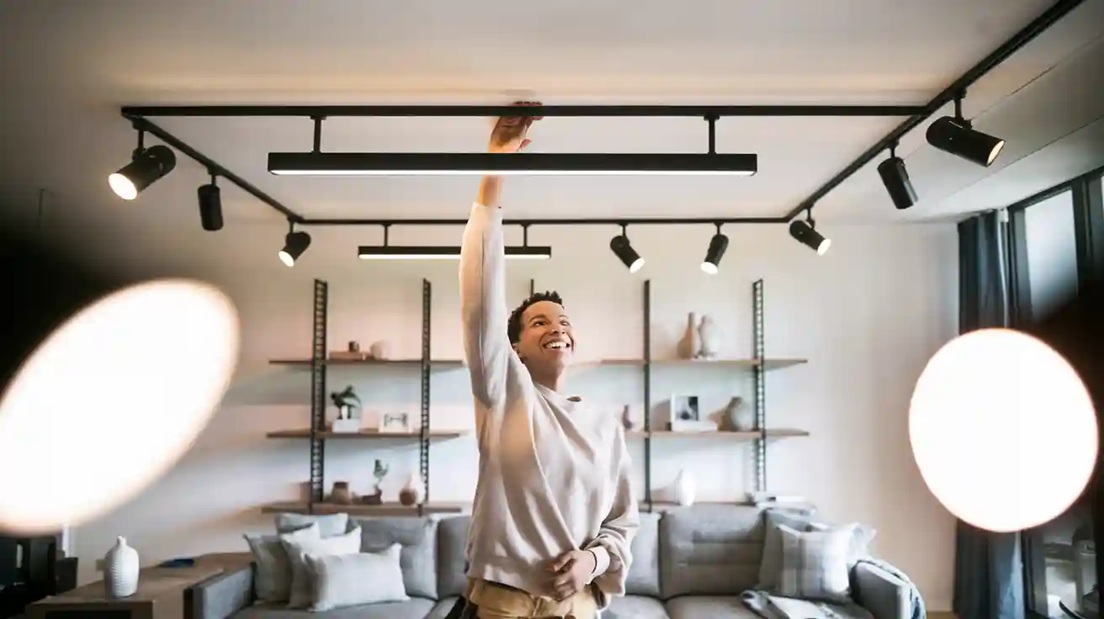
Have you ever wanted to change your lights without help? You do not need to call an electrician or buy new lights. Magnetic track lighting lets you control your lights. You can move the lights with one hand. This helps you stop shadows or show off new art. The tracks are very thin and fit into your room. They make your room look modern and stylish. You can try new styles and set the mood in any room. It is easy to put in and does not need hard wiring. Magnetic track lighting saves you time and work. It also makes your room look great.
Key Takeaways
Magnetic track lighting lets you move lights by hand. You do not need tools or electricians to do this.
You can use different light styles on one track. This helps you make any room look just how you want.
The design is slim and modern. It fits in any space. It makes your home or office look neat and stylish.
It is easy and safe to install. You can pick recessed, surface, or hanging tracks.
Magnetic track lighting uses less energy. It helps lower your bills. It does not need much care over time.
Flexibility and Versatility
Magnetic track lighting is very flexible and useful. You can change your lights whenever you want. This system lets you try new designs in every room. You do not have to keep lights in one spot. Magnetic track lights help you set the right mood for any event.
Tool-Free Adjustments
You can move magnetic track lights with your hands. You do not need any tools or special training. The magnets make it quick to move the lights. You can slide, turn, or take off each light in seconds. This means you can change your lights as your needs change. Want to show off a new painting or make a reading spot? Just snap the lights where you want them. LED magnetic track light system gives you more choices than old lighting systems. You do not need an electrician or to turn off the power. You always control your lights.
Tip: Magnetic track lights work on all kinds of ceilings. They are good for sloped or high ceilings too. You can use them in living rooms, kitchens, bedrooms, offices, stores, galleries, and restaurants. This makes them great for places where you often change the lights.
Mix and Match Fixtures
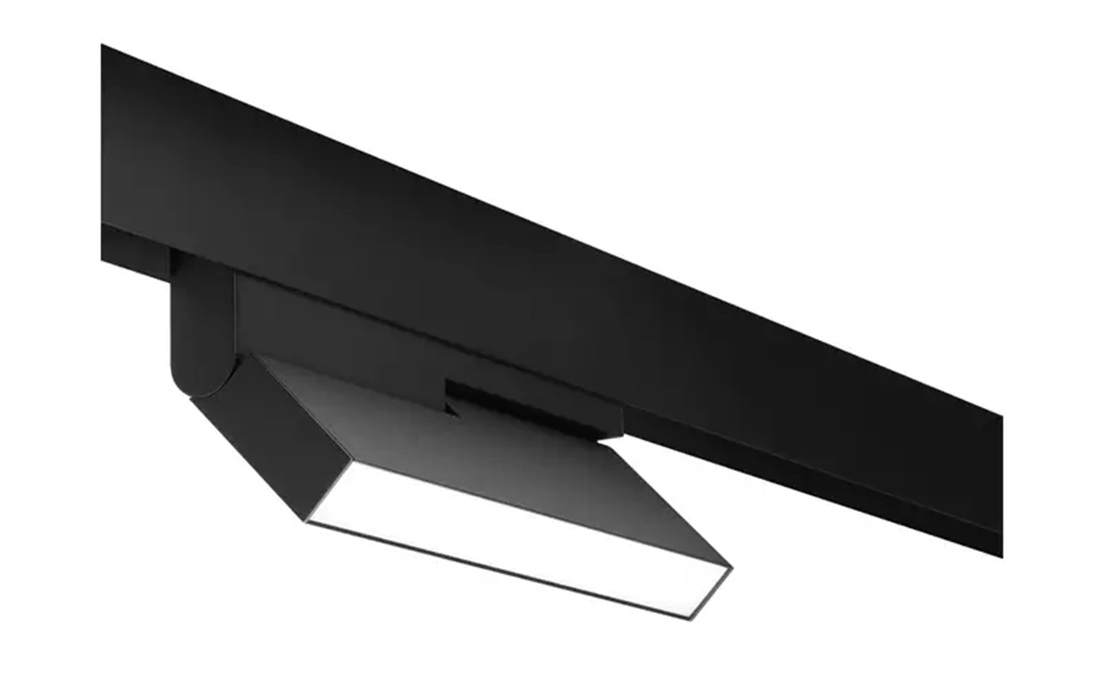
Magnetic track lights let you try many designs. You can use different fixtures on one track. This gives you lots of ways to set up your lights. Pick from spotlights, linear profile lights, pendant lights, and more. Each fixture snaps onto the track and can be moved or changed anytime. Here is a quick look at what you can use:
Fixture Type
Typical Sizes
Wattages
Beam Angle
Application
Grille Spotlights
100mm to 400mm
6W to 30W
24°
Accent lighting
Fold Spotlights
110mm, 220mm
6W, 12W
24°
Accent lighting
Linear Profile Lights
300mm, 600mm, 900mm
10W to 30W
120°
General lighting
Track Spotlights
Diameter 50mm, 60mm
10W to 20W
24°
Accent lighting
Pendant Lights
Diameter 30mm, Height 300mm
5W
24°
Accent lighting
Ball and Cylinder Lights
Customizable
N/A
N/A
Customizable
You can make your own lighting setup for any mood or activity. Magnetic track lighting lets you change your lights every day. You get full control over your space. This system helps you be creative and makes every room look great.
Modern Aesthetics
Sleek Design
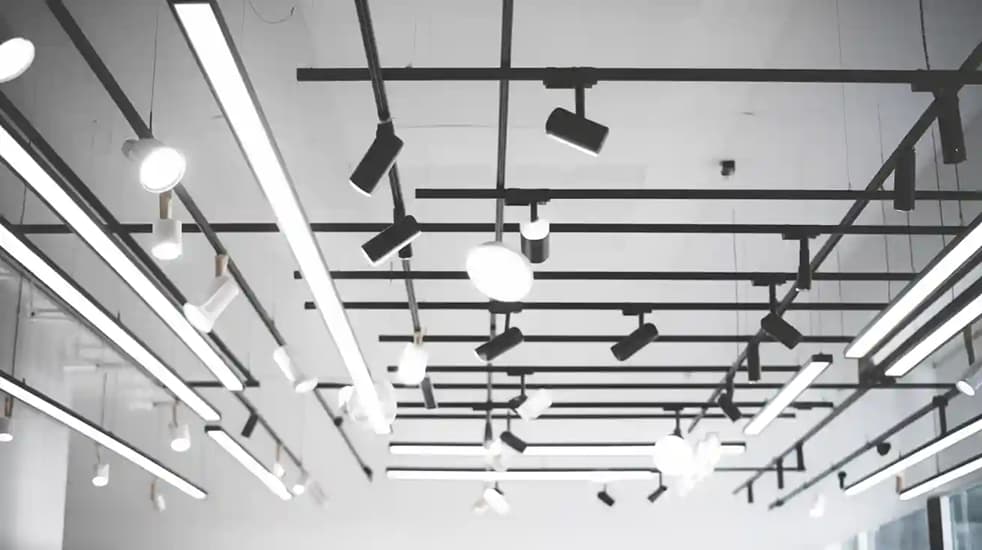
You want your space to look sharp and modern. Magnetic track lights give you that edge. These lights have an ultra-thin profile that almost disappears into your ceiling or wall. You see clean lines and smooth surfaces, not bulky fixtures. The tracks use high-strength aluminum or durable plastic, so they stay strong and look great for years. You can pick from different finishes like black, white, or silver to match your style.
Designers love magnetic track lights because they fit any modern room. You get a clean design that works in homes, offices, and even art galleries. The Kreon 48V Magnetic Track System won the 2019 PIA award for its looks and smart features. This award shows that experts see these lights as top choices for both design and performance. You can use spotlights, linear lights, or pendants on the same track. This gives you design freedom to create the perfect look for your space.
Tip: Magnetic track lights use LED technology. You get bright, even lighting that saves energy and keeps your room cool.
Seamless Integration
Magnetic track light systems blend into any room. You can install them in many ways—recessed, surface-mounted, or suspended. This means you can fit them into living rooms, kitchens, bedrooms, or even restaurants and shops. The minimalist look adds a touch of class without drawing too much attention. You get a space that feels open and uncluttered.
Interior designers rate magnetic track lights higher than other modern lighting options. They like how easy it is to move and change the lights. You can highlight art, set the mood, or brighten work areas with just a quick adjustment. The system supports smart controls, so you can change brightness or color to match your needs.
Here are some spaces where magnetic track lights make a big impact:
Space Type
How Magnetic Track Lights Enhance Design
Living Room
Show off high ceilings and art with movable spotlights
Kitchen
Use linear tracks for bright, even task lighting
Bedroom
Mix recessed and pendant lights for a cozy, layered feel
Art Gallery
Highlight changing exhibits with flexible, focused lighting
Restaurant
Create a warm, inviting mood with stylish, adjustable fixtures
Office
Brighten desks and meeting areas with clean, professional lighting
Retail Store
Make products stand out with sleek, modern lighting setups
Magnetic track lights give you the power to shape your space. You get both top-notch aesthetics and practical lighting. With these systems, you enjoy a modern look and easy control every day.
Easy Installation
Simple Setup
You want lighting that looks great and installs with ease. Magnetic track lights give you just that. You do not need to be an expert to handle the installation. You can choose from several installation options, including recessed, surface-mounted, or suspended tracks. Each method fits different spaces and styles.
You start by preparing your ceiling or wall. For surface-mounted tracks, you simply screw the magnetic track lights onto the ceiling. If you want a cleaner look, you can embed the track and cover it for a seamless finish. Hanging wire installation lets you suspend the track for a modern touch. You only need basic tools and a few simple steps. Most people can handle the setup themselves, but you can always ask a professional for extra peace of mind.
Once the track is in place, you attach the transformer for power. The transformer hides in the ceiling or a nearby access point. You then snap the magnetic track lights onto the track. No wiring or special skills are needed for this part. You can slide, move, or swap the lights anytime. This tool-free process saves you time and effort.
Tip: Always use a voltage tester before starting installation. This keeps you safe and ensures the power is off.
Low Maintenance
Magnetic track lights offer more than easy installation. They give you long-term value with minimal upkeep. The system uses low-voltage power, which boosts safety aspects and energy efficiency. You get bright, reliable lighting that uses less electricity. This means lower bills and a smaller carbon footprint.
You do not need to worry about frequent repairs. The strong magnets and sturdy tracks keep your lighting secure. LED technology adds to the efficiency and long life of each fixture. You can trust your magnetic track lights to work for years with little attention. If you want to change your lighting, you just move the fixtures—no tools, no hassle.
Magnetic track lights stand out for their long-term value. You save money on installation, enjoy energy efficiency, and spend less time on maintenance. Your lighting stays modern, safe, and efficient. You get a system that grows with your needs and keeps your space looking its best.
Magnetic Track Lighting vs. Traditional Options
Key Differences
You want lights that work for your needs. Magnetic track lighting system lets you change things easily. Old systems make it hard to move lights. Look at this table to see how they are different:
Aspect
Magnetic Track Lighting
Traditional Track Lighting
Fixture Attachment
Snap on with magnets, no tools needed
Needs tools to attach and move fixtures
Flexibility
Very flexible, good for lots of changes
Not flexible, best for setups that stay the same
Lamp Styles
Many styles, mix and match on one track
Mostly spotlights, not many choices
Installation
Can be recessed, surface, or hanging; smart system ready
Usually surface-mounted, not easy to change
Adjustment Effort
Move or slide fixtures fast
Takes time and effort to adjust
Lighting Control
Control beam and brightness easily
Not much control
Application Suitability
Great for rooms that change often
Good for rooms that do not change
Magnetic track lighting is easy to change. You can move your lights whenever you want. Old lighting keeps you stuck with one look. Magnetic tracks let you try new designs. They look slim and modern. Old systems look big and old-fashioned.
Note: Magnetic track lighting uses less power. It is safer to touch and saves energy compared to older lights.
Why Choose Magnetic Track Lighting
You need lights that change as your life changes. Magnetic track lighting lets you move, add, or take away lights easily. You do not need help from an electrician. Just snap the lights on or off. This saves you time and money.
Here are the main reasons to pick magnetic track lighting:
Easy to install. Put up the track, snap on the lights, and you are finished.
Move lights anytime. Add or take away lights for any mood or activity.
Works in every room. Use spotlights, linear lights, or pendants—mix them how you want.
Modern look. Get a clean style that matches new trends.
Safe and saves energy. Low-voltage power keeps your family safe and lowers bills.
Simple to care for. Change lights in seconds, no tools needed.
Ready for smart controls. Connect to smart systems for more options.
Experts say magnetic track lighting is best for changing rooms and cool designs. You can layer lights for any event. Show off art, light up work areas, or make a cozy space. Old lighting cannot do all this.
If you want lights that fit your life, pick magnetic track lighting. You get the best in style, easy setup, and control. Stay up-to-date and enjoy a space that always feels new.
Magnetic track lighting is very flexible and easy to set up. You can move your lights whenever you want. This makes every room more comfortable and useful. The system helps you save energy and work better at home or in the office. Many places use magnetic track lighting now, like art galleries and kitchens. They like it because it is flexible and has smart features. Want to make your space better? You can get a free meeting or download a lighting catalog to see how flexible lighting can help you.
FAQ
How safe is magnetic track lighting?
You get a safe system with low-voltage power. The tracks and fixtures stay cool. You do not risk electric shock when you move the lights. This makes magnetic track lighting a smart choice for homes with kids or pets.
Can I install magnetic track lighting by myself?
Yes, you can. The setup uses simple tools and clear steps. You snap the lights onto the track. You do not need special skills. If you want extra help, you can call a professional for peace of mind.
What types of bulbs work with magnetic track lighting?
You use LED bulbs with magnetic track lighting. LEDs last longer and save energy. You get bright, even light for any room. You also lower your electric bills and reduce maintenance.
Will magnetic track lighting fit my room style?
Absolutely! You choose from many finishes and fixture styles. The slim tracks blend with modern, classic, or creative spaces. You can mix spotlights, pendants, and linear lights for a custom look.
Tip: Try different layouts to match your mood or highlight special features in your room.
How do I control the brightness or color?
You can use smart controls or dimmer switches. Many systems let you adjust brightness or color with a remote or app. You set the perfect mood for any activity with just a tap.
You can set up magnetic track lighting, even if you are new to DIY. If you follow a step-by-step guide, you will not make common mistakes. You will also make a nice lighting setup. Safety is very important, so always plan well before you begin. Look at this quick table to help you avoid beginner mistakes:
Common Mistakes
Why to Avoid Them
Ignoring main light design
Leads to poor lighting layout
Incorrect distance from wall
Blocks light and hurts the look
Overcrowding track lights
Makes the track look messy
Not hiring experienced help
Can cause costly installation errors
This guide gives you easy tips to help you do well, so let’s begin!
Tools and Preparation
Getting ready is the most important part of any project. If you want your magnetic track lights to look great and work well, you need to focus on preparation for installation. Let’s break down the required tools and materials you’ll need, plus some tips to keep you safe.
Tools Needed
You should use the right tools for this job. Here’s a list to help you get started:
Drill and drill bits
Measuring tape
Level
Screwdriver
Wire stripper
Screws and anchors
Electrical tester
Wire nuts
Magnetic track light kit (tracks, connectors, light fixtures)
Protective gear (gloves and safety glasses)
If you gather these required tools before you begin, you’ll save time and avoid mistakes.
Materials Checklist
You need to pick the best materials for your setup. Magnetic track lighting systems are flexible and modern, so they fit well in most homes. Many people choose LED track lights because they last a long time and use less energy. Designers like minimalist styles, and magnetic track lights blend in with home decor. Here’s a quick checklist:
Magnetic track rail
Magnetic track lights
LED track lights
Anchors
Screws
Check that you have all the tools and materials before you start. This step makes preparation for installation much easier.
Safety Tips
Safety comes first. You should always check the area for hazards before you begin. Make sure the electrical system can handle your new lights. Test the power with an electrical tester and turn off the breaker before you touch any wires. Use protective gear like gloves and safety glasses. Mount the track on a strong surface so it stays secure. Follow the manufacturer’s instructions for every step. After you finish, inspect the connections and fixtures. Set up a routine to check for wear and tear.
Tip: If you feel unsure about wiring, ask a professional for help. It’s better to be safe than sorry!
Planning Magnetic Track Lighting
Confirm Design Pattern
Before you start, take a moment to picture how you want your room to look. Magnetic LED track light gives you a lot of freedom, so you can get creative. Many people love this style because it looks clean and modern. You can use it to highlight cool features in your home or just to make the space feel brighter.
When you plan your layout, think about these points:
Layered lighting: Mix general, task, and accent lights for a balanced feel.
Flexible zoning: Set up different areas for reading, relaxing, or working.
Highlighting features: Use lights to draw attention to art, shelves, or unique walls.
Minimalist look: Keep things simple for a tidy, modern vibe.
Magnetic track lighting is popular because it blends form and function. It helps you avoid the clutter of old-fashioned lights and gives your home a fresh, stylish look.
Choose Track Rail
Picking the right track rail is a big step in this guide. You want something that fits your space and matches your needs. Here’s a quick table to help you decide:
Criteria
Description
Height of the Space
Check your ceiling height to pick the right size and type of light.
Lighting Needs and Goals
Decide if you want general, task, or accent lighting for each area.
Style and Design
Choose a rail that matches your home’s style and makes the room look better.
Energy Efficiency
Go for LED options to save on energy bills and help the planet.
Compatibility with Electrical
Make sure the system works with your current wiring for easy setup.
Track Types
Pick the right track type for the best performance and power.
You can find small, medium, or large LED magnetic lights. Small ones work well for desks or reading nooks. Medium lights fit most rooms. Large lights are best for big, open spaces.
Decide Mounting Type
Now, think about where you want to put your track lighting for home. You can mount it on the ceiling or the wall. Ceiling mounting works well for most rooms and gives you even light. Wall mounting can help you highlight art or special features.
Ask yourself these questions:
Do you want to light up the whole room or just certain spots?
Is your ceiling high or low?
Do you want the lights to stand out or blend in?
This guide helps you make smart choices so your track lighting for home looks great and works well. Take your time with this step. Good planning makes the rest of the project much easier.
Installation Steps
Setting up magnetic track lighting can feel like a big job, but you can do it if you break it down into simple steps. Let’s walk through each part of the installation together.
Prepare Installation Area
Before you start, you need to get your installation area ready. A clean and safe space makes everything easier. Here’s what you should do:
Decide where you want to put the magnetic track lights. Measure the length of the rail you need.
Check that the ceiling or wall is flat and strong enough to hold the track.
Turn off the power at the breaker. This step keeps you safe while you work.
Tip: Always double-check that the power is off before you touch any wires.
Mark Track Location
Now, you need to mark where the track will go. Grab your measuring tape and level. Use a pencil to draw a straight line where you want to mount the track. Make sure the line is even. If you want your super slim profile magnetic track lightings to look professional, take your time with this step.
Use the level to keep the track straight.
Mark the spots for the screws or anchors along the line.
Double-check your measurements before you drill.
Mount the Track
You have a few ways to mount the track, depending on your ceiling or wall. Here’s a quick table to help you pick the best method:
Method
Pros
Cons
Surface-Mounted
Simple and quick to install
Track is visible
No ceiling cutting needed
May not blend in with all ceiling styles
Good for retrofits and solid ceilings
Trimless Recessed
Seamless, invisible finish
Most complex and expensive to install
Great for new builds or major renovations
Needs ceiling modification and skilled workers
Modern and minimalist look
Not easy to add later
Pendant
Adjustable height for different needs
Needs strong ceiling anchors
Adds a dramatic look to large spaces
Track and wires are visible
No need for ceiling grooves
Not ideal for low ceilings
For most homes, surface-mounted tracks work best. Use screws or anchors to secure the track. If you want extra strength, attach the track to ceiling joists or use wood blocking. Drill pilot holes first, then fasten the track tightly. This step is key for a safe installation.
Connect Wiring
You need to connect the electrical wires before you can use your magnetic track lights. Safety comes first, so follow these steps:
Turn off the power at the breaker.
Use a voltage tester to make sure the wires are not live.
Use insulated tools and wear gloves and safety glasses.
When you connect the electrical wires, watch out for these common problems:
Sometimes, the copper rails inside the track can slip and not touch the adapter. Make sure they line up.
If every other light does not turn on, you might have a load management or switch issue.
Some dimmers do not work well with low voltage lighting. Check your dimmer’s compatibility.
Take your time when connecting to the power supply. If you feel unsure, ask an electrician for help.
Attach Magnetic Track Lights
Now you get to the fun part—installing the magnetic lighting! You can attach the magnetic light fixtures to the rail in just a few steps:
Find the joists or blocking above your ceiling for the strongest support.
Use toggle bolts, molly bolts, or long screws to anchor the track to the structure.
If you use a hanger system, follow the kit instructions for a secure fit.
Snap the magnetic track lights onto the rail. You should hear a click when they lock in place.
Adjust the position of each fixture to aim the light where you want it.
Note: Always check that each magnetic light fixture is firmly attached before you finish.
You have now completed the main installation steps. Your magnetic track lighting is almost ready to shine!
Testing and Maintenance
Test the System
You’ve installed your magnetic track lights, so now it’s time to see them in action. Flip the breaker back on and use the wall switch to power up the lights. Watch each fixture as it turns on. If every light works, you’ve done a great job! If some lights stay off or flicker, don’t worry. You can fix most problems with a few quick checks.
Tip: Always test your system after installation. This step helps you catch issues before they become bigger problems.
Troubleshoot Issues
Sometimes, new lighting systems run into trouble. Here are the most common problems people report:
Issue Type
Description
Power Supply Failures
Damage from electric shock or circuit failures can stop your lights from working.
Installation Errors
Mistakes during setup can cause lights to malfunction.
Thermal Management Issues
Poor heat dissipation can make the system overheat and fail.
You might also notice these issues:
Mismatch between LED light board and driver
Damaged drive power supply
Inadequate heat dissipation from the lamp shell
If you run into trouble, try these steps:
Check the power supply. Make sure the breaker is on and the outlet works.
Examine the track. Look for loose connections or damage.
Inspect the lights. Slide each fixture along the track to see if one is faulty.
Check the transformer. Listen for odd sounds or feel for overheating.
If problems continue, call a licensed electrician.
Maintenance Tips
Keeping your lighting system in good shape is easy. Regular care helps your lights last longer—some LED systems can shine for 50,000 to 70,000 hours, and some even reach 80,000 hours!
Here’s how you can maintain your setup:
Schedule regular inspections to check light output and look for damage.
Clean the fixtures with a microfiber towel. Always turn off the power first.
Replace defective bulbs right away.
Make sure heat sinks and vents stay clear for better cooling.
Protect your lights from dust, moisture, and extreme temperatures.
Follow the manufacturer’s instructions during installation and cleaning.
Note: Use a soft-bristled brush or microfiber cloth to clean the track and bulbs. Avoid liquids to keep everything safe.
With these tips, your magnetic track lights will stay bright and reliable for years.
You just learned how to plan, install, and test magnetic track lighting. If you follow each step, you can set up your own system—even as a beginner. Always double-check your work and put safety first. Once you feel confident, try smart features like voice control or app-based dimming.
Why You’ll Succeed
How It Helps You
Easy to install
Snap lights on and off
Flexible design
Move lights where you want
Safer low voltage
Worry less about shocks
You’ve got this! Your next DIY project will feel even easier.
When you pick a magnetic track lighting system, you want it to be safe, not too expensive, and easy to use. Recessed, surface-mounted, and suspended types all let you move lights around. You can change the lights when you want. Most systems cost from $100 to $500. Simple ones are good for DIY projects. If it is a hard job, you need a pro to keep it safe. In homes, these lights save energy and can use smart controls. In stores and offices, people use them more. This is because they are easy to change and look sharp.
Magnetic track lighting uses low voltage (48V DC). This makes it safer and saves more energy than regular lighting.
You can move, add, or change lights easily. You do not need tools. This gives you flexible and modern lighting choices.
Installation is different for each type. Surface-mounted is the easiest. Recessed looks smooth but costs more. Pendant works well for high ceilings and looks dramatic.
Pick the right system for your space, budget, and needs. Smart controls and LED bulbs help save energy and make things easier.
Quick Verdict
Best Overall Choice
If you want a system that is easy to use, surface-mounted magnetic track lighting is the best pick for most homes and offices. It is simple to put in, safe, and lets you move or add lights when you need to. Surface-mounted tracks fit many ceiling types. You do not have to change your whole ceiling. You can use them in living rooms, kitchens, offices, or stores. The magnetic snap-on design lets you move lights without tools. This makes it easy to change how your lights look.
Lighting experts look for these things when choosing a system:
Style that matches your room, with choices for color and brightness.
Good energy savings, often with LED bulbs, to lower bills.
Enough brightness and coverage for your room size.
Mounting that works on different surfaces.
Easy to put in and take care of, thanks to modular and magnetic parts.
Ways to change the track shape and use connectors.
Power supply that is steady, either built-in or outside, for good performance.
💡 Tip: Surface-mounted tracks are a good mix of price, style, and flexibility. You can put them in yourself or get help from a pro for bigger jobs.
Key Considerations
Before you pick a magnetic track lighting system, remember these tips:
Talk to a pro about your lighting plan to get the best spot and angle for your lights.
Pick the right track type—recessed, surface-mounted, or pendant—based on your ceiling and what you like.
Plan when to install, especially for recessed tracks, since they must go in before the ceiling is finished.
Get all the parts you need, like transformers and connectors, so you do not have to wait.
Pick the right track width. Narrow tracks look better in rooms with low ceilings.
Think about where to hide transformers for a neat look.
Use skilled installers for tricky setups, since magnetic track lighting is still new in some places.
You should also think about the parts, like the track rail, magnetic lights, power supply, and connectors. Magnetic track lighting gives you lots of ways to set up your lights, saves energy, and looks modern. But it can cost more at first and may need a pro to install it right.
Magnetic Track Lighting Types
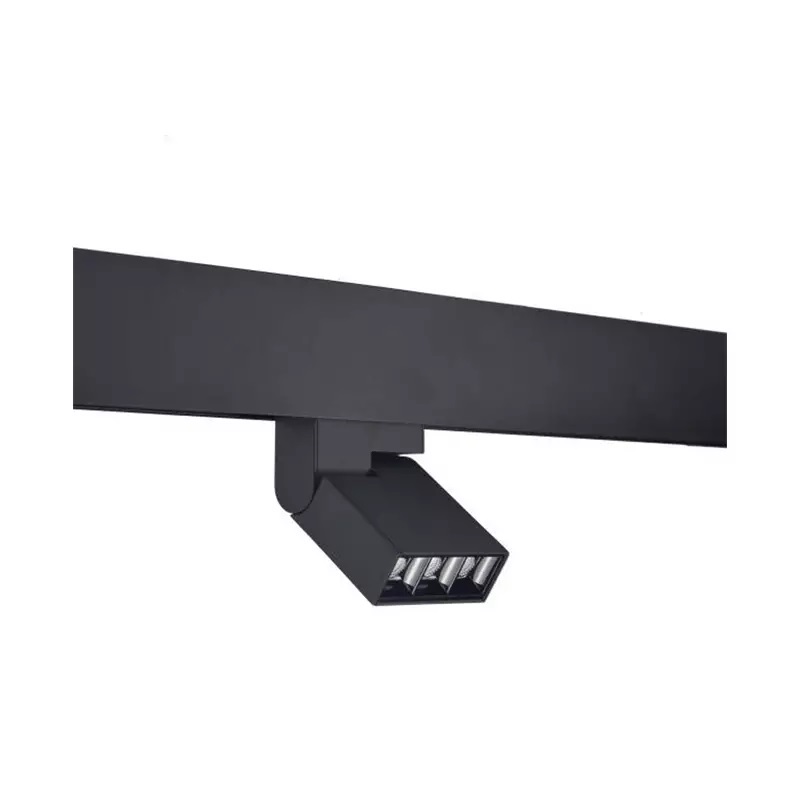
There are three main spotlight types in magnetic track lighting. Each type has its own features and works best in certain places. All spotlights use a safe low voltage DC48V system. This makes them safer to touch and helps save energy. The magnetic design lets you move and adjust the lights easily.
Here is a quick look at the three spotlight types:
Spotlight Type
Defining Features
Ideal Applications
Grid Spotlights
Use a magnetic grid to direct and focus light; minimalist and elegant designs; energy-efficient; compatible with LED bulbs
Industrial and commercial settings such as warehouses, factories, and parking lots
Foldable Grille Spotlights
Designed to be recessed into false ceilings or behind wall-mounted grills; available in various shapes and colors; sometimes include built-in speakers
Recessed accent lighting for homes and businesses, illuminating specific areas without being visible from the front
Framing Spotlights
Feature a frame to focus light into a concentrated beam; provide bright, even illumination without washing out objects
Museums, art galleries, and large spaces requiring focused illumination on objects or artwork
Grid Spotlights
Grid spotlights give strong, focused light. They have a magnetic grid that helps you aim the light. The design is simple and modern. You often see grid spotlights in big places like warehouses or parking lots. They work with LED bulbs, so you save energy and pay less for power.
Foldable Grille Spotlights
Foldable grille spotlights fit inside ceilings or behind wall grills. You can pick from many shapes and colors. Some have speakers built in. These spotlights stay hidden, so you only see the light. You might use them in living rooms, hallways, or offices. They light up certain spots without showing the fixture.
Framing Spotlights
Framing spotlights shine a bright, even beam on one spot. The frame keeps the light focused and stops it from spreading. You find these spotlights in museums or art galleries. They make art or displays stand out and keep the colors looking good.
🛡️ Note: All magnetic track lighting types use a 48V DC system. This keeps your lighting safe and saves energy. You can move or change the lights without turning off the power. This makes your lighting setup easy to change and update.
Installation Methods
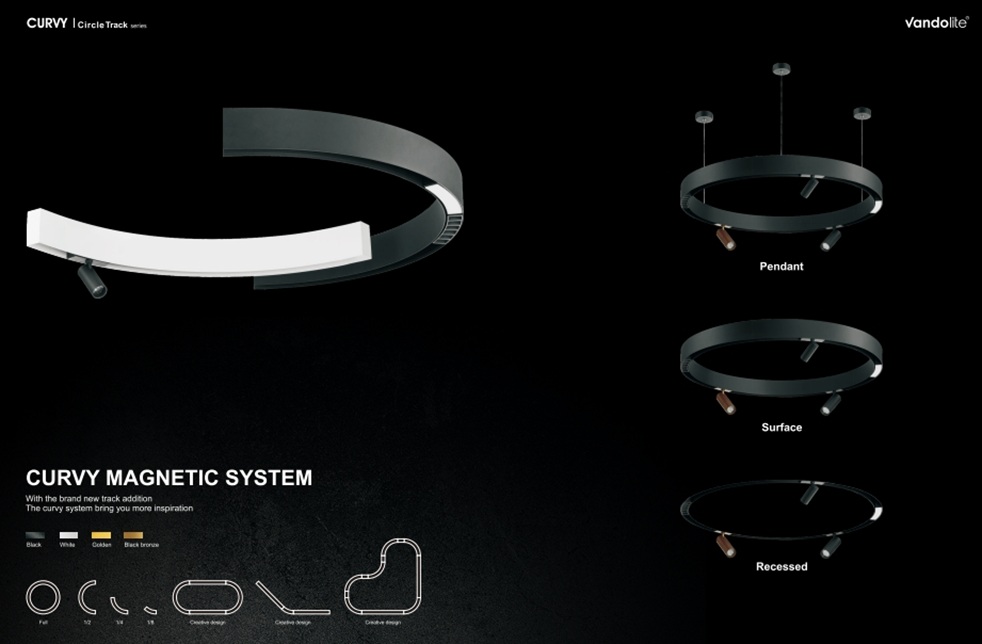
When you choose how to install Magnetic Track lighting, you have three main options. Each method fits different needs and spaces. The size of magnetic track rails is usually wider than regular track lighting. Most rails come in 25mm or 35mm widths, so you need to match your lights to the track.
Trimless Recessed
Trimless recessed installation gives you a clean, seamless look. You do not see the track because it sits inside the ceiling. This method works best in new homes or during big remodels. You need to cut grooves in the ceiling and do drywall work. This makes the job more complex and costly. You must plan for at least 5-7cm of ceiling space to fit the track. If you want a modern, hidden style, this is a good choice.
Pros:
Seamless, invisible finish
Great for new builds or major renovations
Modern and minimalist look
Cons:
Most complex and expensive to install
Needs ceiling modification and skilled workers
Not easy to add later
Surface-Mounted
Surface-mounted tracks are the easiest to install. You screw the track onto the ceiling or wall. You do not need to cut into the ceiling. This method works well for solid ceilings or when you want to upgrade your lights without much mess. You can use it in homes, offices, or stores. The track is visible, but it looks modern and neat.
Pros:
Simple and quick to install
No ceiling cutting needed
Good for retrofits and solid ceilings
Cons:
Track is visible
May not blend in with all ceiling styles
💡 Tip: Surface-mounted Magnetic Track lighting is a smart pick if you want flexibility and easy upgrades.
Pendant
Pendant installation lets you hang the track from the ceiling with wires or rods. This style works well in rooms with high ceilings. You can adjust the height for task lighting or to make a design statement. You need secure anchors in the ceiling. The job is less complex than recessed but needs careful setup.
Pros:
Adjustable height for different needs
Adds a dramatic look to large spaces
No need for ceiling grooves
Cons:
Needs strong ceiling anchors
Track and wires are visible
Not ideal for low ceilings
Installation Method
Best For
Complexity
Ceiling Impact
Trimless Recessed
New builds, seamless look
Most complex
High (cutting needed)
Surface-Mounted
Retrofits, solid ceilings
Easiest
Low
Pendant
High ceilings, design features
Moderate
Medium (anchors)
Features and Benefits
Safety and Voltage
It is important for your lights to be safe. Modern magnetic track light uses low voltage, usually 48V DC. This makes it safer to touch and lowers shock risk. In the United States, these systems must follow strict safety rules. Look for products with UL 1574 and UL 2108 labels. These labels mean the lights are safe for homes and businesses.
Standard
Description
Applicability to Magnetic Track Lighting Systems
UL 1574
Track Lighting Systems
Primary safety certification for track lighting
UL 2108
Low Voltage Lighting Systems
Covers low voltage requirements relevant to magnetic track lighting
🛡️ Always check for a UL label before you buy or put in any lighting system.
Design Flexibility
You can change your lights whenever you want. Magnetic Track lighting lets you move, add, or take away lights easily. The magnetic connection makes this simple. You do not need an electrician for small changes. This system works in rooms with sloped or high ceilings. You can point the lights where you need them. The design hides wires and hardware, so your room looks modern.
Move lights fast for new setups.
Change lighting for different needs or moods.
Enjoy a neat ceiling with no wires showing.
Interior designers like this because it is flexible. You can match many styles and keep your space looking new.
Energy Efficiency
Magnetic Track lighting helps you save energy. These systems use LED bulbs and low voltage. LEDs use less power but still shine bright. The system works with smart controls like dimmers and sensors. You can use less energy by turning down the lights when you do not need them bright.
Feature
Magnetic Track Lighting
1-circuit Track Lighting
Voltage Level
Operates at low voltage (24V or 48V)
Operates at high voltage (230V)
Energy Efficiency
High, due to LED integration and low-voltage operation
Varies depending on bulb type, generally less efficient
Control
Supports smart controls like dimmers and sensors
Basic control, limited smart features
💡 Using smart controls and LEDs helps you save money on your electric bill and is better for the planet.
Drawbacks and Challenges
Cost Comparison
Magnetic track lighting systems cost more at first than regular track lighting. This is because they use new technology and low-voltage LED parts. You pay more when you buy them, but you save money later. These lights use less energy, so your electric bills go down. The magnetic parts do not break as fast, so you fix them less. Regular track lighting is cheaper if you do not want to move your lights much. But if you want a modern look and to move lights easily, magnetic track lighting is worth it over time. Other new lighting, like monorail or cable track lighting, also saves energy. But it is hard to compare prices for those.
Installation Issues
Putting in magnetic track lighting can be hard. Installers who have not done it before may struggle. Here are some problems you might see: - It is hard to install on sloped or high ceilings. - You may need special adapters or new hardware. - Tracks must line up right and hold the weight. - Ceiling height and angles make it tricky. - You need special tools and skills to put in fixtures. - You must follow electrical rules to stay safe. If you want the job done right, hire someone who knows magnetic track lighting. This helps you avoid mistakes and keeps your lights safe.
Experience and Support
You want good help when you buy a lighting system. Top brands like Vandolighting spend money on research and quality. They give strong support and help you set up your lights. Their teams make products that look nice and last long. You can ask them questions if you need help. They also have cool features, like different ways to dim the lights. When you pick a trusted brand, you get better service and products you can count on.
Magnetic Track Lighting Comparison
Design and Aesthetics
Magnetic track lighting systems look modern and simple. They have smooth lines and flat surfaces. This helps your room look neat and not crowded. You can pick from different fixtures like linear lights, spotlights, grille lights, or pendant lights. Each one fits a different style or job. Linear lights are great for kitchens with a modern feel. Spotlights are good for showing off art or displays. The magnetic system lets you move lights around easily. You can change your room’s look anytime you want. This makes magnetic track lighting popular in new homes, offices, and galleries. It looks more stylish and less bulky than old track lighting.
Installation and Flexibility
You have many ways to put in magnetic track lighting. Tracks can go on almost any ceiling, like concrete, drywall, or suspended ceilings. Some brands use the H-Type system, which works well in homes and businesses. Others use the J-Type system, which is easy and works well too. Tech Lighting focuses on modern looks and needs careful planning. You can do simple installs yourself, like with surface-mounted tracks. For harder jobs, like recessed or custom setups, you might need a pro. The magnetic system lets you snap lights in and out fast. You can change the angle or add new lights without tools. This makes it easy to change your lighting as you need.
💡 Tip: If you want to change your lights a lot, pick a system with snap-in fixtures and tracks you can adjust.
Cost and Value
The price of magnetic track lighting changes by brand, material, and features. Track rails cost about $15–25 for each meter. Each lamp costs about $15–30. Some brands sell kits with all the parts you need. Thicker rails and better chips cost more but last longer and work better. Good LED chips, like Cree or OSRAM, make lights brighter and last longer. Fancy paint and strong parts also make the price go up. Cheaper materials save money at first, but you might pay more later for repairs.
Smart features like Bluetooth or Wi-Fi can make the price 15–30% higher. These features help you save energy and money over time. You will also spend less later because you can move or add lights easily. Brands like Tech Lighting and Nora Lighting have high-end options with smart controls and strong parts. Lithonia Lighting is cheaper and has basic features.
Track rail: $15–25 per meter
Lamp: $15–30 each
Smart controls: +15–30% upfront
Better materials = higher cost, longer life
Control and Smart Features
You can control magnetic track lighting in many ways. Basic systems let you turn lights on and off or dim them. Some brands, like Tech Lighting, have smart controls. You can use your phone, a remote, or your voice to change the lights. Some lights have Bluetooth or Wi-Fi, so you do not need extra wires. These smart features help you save energy and set the right mood. You can group lights or set scenes for things like reading, cooking, or relaxing.
🛡️ Note: Smart controls cost more at first, but you save money on energy and get more convenience.
Application Suitability
You can use magnetic track lighting in lots of places. In homes, slim and hidden tracks give a clean, modern look. Use them in living rooms, kitchens, or bedrooms for flexible lighting. In offices and stores, bigger tracks give bright, adjustable light for work or displays. You can show off products, art, or cool building features. Juno and Nora Lighting have systems for homes and businesses. Tech Lighting and Lithonia Lighting have options for high ceilings and big spaces. You can pick different beam angles, colors, and dimming to fit your needs.
Residential: Slim, recessed tracks for a modern look
Commercial: Larger, surface-mounted tracks for bright, flexible lighting
Retail: Adjustable fixtures to highlight products and displays
Art galleries: Focused spotlights for artwork
Application
Best Track Type
Recommended Brands
Home
Slim, recessed
Juno, Nora Lighting
Office
Standard, surface
Halo, Tech Lighting
Retail
Surface, adjustable
Lithonia Lighting, Tech Lighting
Gallery/Museum
Framing spotlights
Tech Lighting, Nora Lighting
✅ Summary: Magnetic track lighting gives you style, flexibility, and smart features for any space. You can pick the best system for your needs, budget, and design.
Choosing the Right System
For Homes
When you choose lighting for your home, you want it to look good and work well for daily life. You should focus on these important features:
Pick a system with a high Color Rendering Index (CRI above 90). This helps colors look natural in your rooms.
Use energy-efficient LED lights. These save money and last longer.
Choose a low-voltage DC48V system for safety, especially if you have kids or pets.
Look for tool-free installation. You can move or change lights without calling an electrician.
Make sure the lights can point in different directions. This lets you set the mood for any activity.
Try to find smart controls. You can dim the lights or set scenes for different times of day.
Select a slim, modern design. This keeps your home looking clean and stylish.
🏡 Good home lighting should fit your routines. It should help you relax, work, or play, and change as your needs change.
For Offices
Lighting in offices needs to be bright, flexible, and easy to adjust. You should consider these points:
Use customizable systems that fit your room size and shape.
Pick fixtures that let you adjust the angle from 90° to 270°. This gives even light everywhere.
Choose LED lights to cut energy use by up to 90% compared to old bulbs.
Dimmable lights help you control brightness for different tasks.
For high ceilings, use suspended tracks for strong, even light.
Install tracks with little disruption. This is great for busy offices.
Consideration
Recommendation
Fixture Shape
Square fixtures work best in offices
Track Type
Surface tracks for solid ceilings; recessed for others
Positioning
Place tracks 12-18 inches from walls; space fixtures 2-4 feet apart
Ceiling Height
Use small fixtures for low ceilings; spotlights for high ones
Lighting Effects
Adjustable and dimmable fixtures for flexibility
Energy Efficiency
Always use LED for savings and long life
For Designers
If you design creative or high-end spaces, you need lighting that adapts to your vision. You should look for:
Systems that let you move and adjust lights without tools. This is key for galleries or stores that change often.
Ultra-thin, sleek tracks that blend into any design.
Many types of modules, like spotlights, grille lights, and pendants, for different effects.
Adjustable angles and brightness for layered lighting and to highlight special features.
Easy installation and quick changes to keep up with new ideas.
🎨 Designers love lighting that is flexible and stylish. You can create unique looks and change them as trends shift.
You have many choices when picking the right lighting system. Surface-mounted tracks work best for most homes and offices because they are easy to install and move. If you want a hidden look, choose recessed tracks, but plan for more work and cost. Before you decide, list your needs, measure your space, and check for smart features. Always plan for the right transformer and power supply. Ask a lighting expert or trusted brand for help to avoid mistakes and get the best results.
FAQ
What makes magnetic track lighting safer than regular track lighting?
Magnetic track lighting uses low voltage, usually 48V DC. This voltage lowers the risk of electric shock. You can touch the tracks safely. Always check for UL certification before you buy.
Can you install magnetic track lighting by yourself?
You can install surface-mounted systems yourself with basic tools. For recessed or pendant tracks, you should hire a professional. These types need special skills and planning.
How do you control magnetic track lighting?
You can use wall switches, dimmers, or smart controls. Some systems let you use your phone or voice commands. Smart features help you save energy and set different moods.
Which rooms work best with magnetic track lighting?
You can use magnetic track lighting in living rooms, kitchens, offices, or galleries. It works well in spaces where you want to move or adjust lights often.
Do magnetic track lights work with smart home systems?
Many brands offer smart features. You can connect your lights to Wi-Fi or Bluetooth. This lets you control them with apps or voice assistants like Alexa or Google Home.
A magnetic track lighting system gives flexible lighting to homes and businesses. This track lighting is special because you do not need tools to adjust it. It also has a modern look. Many people use track lighting in kitchens or living rooms. Businesses put track lighting in offices, galleries, or stores. Some good things are easy setup and many ways to arrange it. But a magnetic track lighting system can cost more than simple lights. Comparing track lighting helps people see if it works for them. Picking the right lighting makes sure each space looks its best.
Key Takeaways
Magnetic track lighting is easy to put in. You do not need tools. You can move or add lights fast. This helps you fit lights in any space.
LED magnetic track lights use less energy. They last much longer than old bulbs. They help you save money on power. They also make less waste.
These lighting systems let you pick many designs. You can use spotlights, pendants, or linear bars. You can make the look and mood you want.
Magnetic track lighting works great in homes and businesses. It gives a modern style. It gives bright light you can adjust where you need it.
Picking the right system means you must think about brightness. You should also think about color quality, how long it lasts, how flexible it is, and how much energy it saves.
Magnetic Track Lighting System Overview
A magnetic track lighting system has tracks on ceilings or walls. These tracks give power to magnetic track lights. Each light has a magnetic base. The base lets you snap the light onto the track. You do not need tools to do this. This makes it quick and easy to set up. You can move or take off the lights anytime. The magnets keep the lights in place. You do not need screws or tricky parts like old track lights. This system works with many kinds of magnetic track lights. You can use spotlights, linear bars, or pendants. Most magnetic track lighting uses LED technology. LEDs save energy and last longer than old bulbs.
Key Features
Magnetic track lighting is flexible and looks modern. You can add, take away, or move the lights easily. This helps you make your own lighting design for any room. The system lets you use different types of fixtures together. You can mix spotlights, linear magnetic track lights, or pendants. There are magnetic accessories like connectors and adapters. These help you change or grow your system. The system uses strong materials that work in homes and businesses. Many brands make good magnetic track lighting. Some brands are Halo, Juno, Lithonia Lighting, Tech Lighting, and Nora Lighting. These brands care about quality, safety, and style.
Tip: Magnetic track lighting systems look simple and clean. The magnetic design keeps everything neat and tidy.
Magnetic track lights are easy to put in and move around. They give you many ways to light a space. This system is good for people who want to change their lights often. It is also good for people who need flexible lighting. Magnetic track lighting lets you control your lighting design. It is a smart pick for many places.
LED Track Lights and Efficiency
LED technology has changed how people light up rooms. LED track lights use special parts called semiconductors to make light. This uses much less energy than old lights. LED track lights last longer and do not get as hot. Their slim shape looks modern and fits in many places.
One big plus of LED technology is that it lasts a long time. The table below shows how long different lights work:
Lighting Type
Average Lifespan (hours)
LED Magnetic Track Lights (general LED category)
Over 25,000
Traditional Incandescent Lamps
About 1,000
Energy-saving Lamps (e.g., Fluorescent)
About 8,000
The table shows LED track lights work much longer than other lights. People who pick LED track lights will not change bulbs as often. This means less trash and lower costs for fixing lights.
LED technology adds new things to track lighting. Many LED track lights can dim or change color. Some work with smart controls for more options. These features help people set the mood and save energy.
Energy Efficiency
LED track lights are very efficient. They use much less power than old lights. For example, an LED track light uses 3 to 10 watts. An incandescent bulb uses about 60 watts for the same light. If you use a 10-watt LED track light for five hours a day, it uses about 18 kilowatt-hours each year. A 60-watt bulb would use about 108 kilowatt-hours in the same time. This shows LED track lights save a lot of energy.
Low-voltage power makes LED track lights safer and more efficient. Most magnetic track lighting uses 12V, 24V, or 48V. These systems need a transformer, which lowers the chance of shocks. This makes LED track lights safer for homes and small shops. Multi-conductor wiring, like 3-wire or 4-wire tracks, adds safety and control. A 3-wire system has a grounding wire. A 4-wire system helps with dimming and safety.
Note: LED track lights with low-voltage and special wiring are safe and efficient.
LED track lights are good for the planet. They use up to 75-85% less energy than old lights. They do not get as hot, so less energy is wasted. Their long life means fewer bulbs go to landfills. Smart features, like motion sensors and timers, help save even more energy. All these things help lower pollution.
Environmental benefits of LED track lights include:
Using less energy and being more efficient
Giving off less heat
Needing fewer replacements
Lowering pollution
Smart controls to save energy
LED track lights save money over time. People pay less for power and do not buy bulbs as often. LED track lights are safe, last long, and save energy. This makes them a smart pick for homes and businesses. LED track lighting fits modern needs and helps the environment.
Installation and Flexibility
Magnetic track lights are simple to put in at home or work. You can snap each light onto the track without any tools. This makes it fast to set up and change lights. You can move the lights along the track or switch them for new ones. The magnetic base holds each light tight, even if you change the setup. Many people pick magnetic track lights because they are quick and easy to install.
But sometimes, putting in these lights can be tricky:
Sloped ceilings make it hard to line up the tracks.
Bumpy walls need careful work to place the tracks right.
You must attach brackets to strong parts for safety.
Wires must be connected right and follow the rules.
Pendant systems need the right length to hang straight.
Heavy lights may need special parts to hold them up.
Recessed tracks need the same depth and must stay dry.
Tall ceilings often need stiff rods or cables for pendants.
Even with these problems, magnetic track lights are still easier to install than most old systems.
Tip: Always look at your ceiling and check the wires before you start.
Customization
Magnetic track lights let you change your lighting in many ways. You can make different shapes and patterns with the tracks. Magnetic connectors and adapters help you build lines, corners, or even squares. This lets you change your lights when you want something new.
J-Tracks and L-Tracks are used for different places:
J-Type tracks are best for homes. They look nice and fit certain lights.
L-Type tracks are used more in stores or offices. They can hold more kinds of lights and cover bigger areas.
Magnetic track lights work well in homes and businesses. You can use spotlights, bars, or pendants for many looks. These lights are great for people who like to change their lighting a lot. You can match your lights to any room or job.
Note: Magnetic track lights are easy to use, flexible, and work well in modern spaces.
Design and Lighting Options
Magnetic track lighting systems make homes and businesses look fancy. Many designers pick these lights for their neat and modern style. Minimalist lighting is very popular in home design now. People like lights that blend in and do not stand out. Track lighting matches this style with its smooth look and simple shapes. Led track lights help because they are thin and have soft colors.
Magnetic track lighting systems are good for:
Sleek and simple looks
Changing how bright or warm the light is
Working with smart tech for remote use
Being useful and looking nice
Easy setup and many uses
Led track lights help rooms feel calm and welcoming. They work great in living rooms, kitchens, offices, and art galleries. You can change the lights as styles change. Many people like how led track lights can shine on art or cool parts of a room. Magnetic track lighting fits many styles, like modern or industrial.
Note: Led track lights look modern, save space, and keep rooms tidy.
Versatile Lighting
Led track lights give you lots of ways to light a room. You can put spotlights, bars, or pendants on the same track. This lets you make your own lighting style anywhere. Magnetic track lighting systems let you move or add lights without tools. Led track lights can shine bright for work or soft for relaxing.
It is easy to change the design. People use led track lights to show off art, light up desks, or set the mood for dinner. The system gives both direct and soft light. Led track lights also work with smart controls, so you can use your phone or voice.
There are many fixtures and ways to set up magnetic track lighting. The track can go straight, curve, or make shapes. Led track lights fit small homes or big stores. This makes them a favorite for designers who want style and function.
Fixture Type
Lighting Effect
Common Use
Spotlights
Focused, direct
Art, displays
Linear Bars
Even, wide coverage
Offices, kitchens
Pendants
Decorative, accent
Dining, reception
Led track lights mix modern looks, energy savings, and lots of choices. They help people get the best lighting for any place.
People want lights that work for many rooms and uses. Magnetic track lights help with this in homes. Kitchens use magnetic track lights over counters and islands. These lights are bright and help you see when cooking or cleaning. Living rooms use magnetic spotlights to shine on art or decorations.Pendant magnetic track lights look nice and are useful. Linear magnetic track lights light up the whole room and make it feel bigger.
Bedrooms need soft lights you can change. Magnetic linear spotlights and linear lights make it cozy for reading or resting. Dining rooms often have magnetic pendant lights. You can move these lights to set the mood for eating. Spotlights in dining rooms shine on cabinets or special things. Hallways use magnetic linear lights to light the way. Spotlights can show off art and make halls look cool. Study rooms or home offices need bright lights to help you work. Magnetic spotlights andlinear magnetic track lightshelp you see and stay comfy.
Tip: Magnetic track lights let people change their lights as they want.
Benefits and Drawbacks
Magnetic track lights have many good things for homes:
Easy to put in and move without tools
Can fit many room shapes and sizes
Many types for different lighting needs
Modern look that matches most homes
Save energy and last a long time
But there are some problems too:
Cost more at first than simple lights
Some setups need a pro to install
Not all ceilings work with these lights
Too many can make a room look like a factory
Benefit
Drawback
Flexible lighting
Higher initial cost
Easy to adjust
May need professional setup
Modern appearance
Not ideal for all ceilings
Energy efficiency
Can look industrial if overused
Magnetic track lights give many choices for home lighting. People can get both style and good use by picking the right system for each room.
Commercial spaces need lights that work for many jobs. Stores, offices, galleries, and restaurants often move things around. Magnetic track lighting helps with these changes. The track bar is very thin, only 6mm thick. This makes it good for rooms with low ceilings. It keeps the space looking open and modern.
Lights in stores and offices must show products well. A high color rendering index (CRI>90) makes colors look real and nice. Dimming lets people set the mood for each spot. Magnetic track lighting is quick to put in. Workers do not need to cut or change the ceiling a lot. This saves time and keeps things neat.
Magnetic track lighting lets you move lights easily. Staff can move spotlights, grid lights, or linear lights. This helps show off new products or art. It is easy to change the lights when needed. Many businesses use magnetic track lighting to shine light where it is needed.
Tip: Magnetic track lighting systems help businesses stay flexible and look good.
Benefits and Drawbacks
Magnetic track lighting has many good points for businesses:
Fast and easy to put in, so less waiting.
Flexible layouts make it easy to change displays.
High CRI and dimming make things look better.
Thin tracks fit modern business spaces.
Works with many types of lights for different needs.
But there are some problems too:
Costs more at first than simple lights.
Some systems need a pro to install them.
Not all ceilings work with magnetic tracks.
Too many lights can make a room look messy.
Benefit
Drawback
Flexible and adjustable
Higher starting cost
Modern, clean look
May need expert help
High-quality lighting
Not for every ceiling type
Quick to change setup
Can look crowded
Magnetic track lighting helps businesses make the right mood and show off key spots. They can change their lights fast to fit new needs or styles.
Choosing the Right Magnetic Track Lighting System
To pick the right magnetic track lighting system, look at your room first. Each room is different and has its own needs. Think about how tall the ceiling is and how big the room is. The shape of the room matters too. Kitchens often need bright lights over the counters. Living rooms do better with layers of light. Magnetic track lighting systems let you use spotlights, pendants, and linear lights together. This helps you make different areas for different things. You can use adjustable pendant lights in rooms with high or low ceilings. Minimalist or recessed tracks can fit both modern and classic styles.
Tip: Decide which spots need bright light and which need softer light. Use the system’s flexibility to show off art, work areas, or cool parts of the room.
Key Considerations
Before you choose a system, think about what matters most to you. Here are some important things to remember:
Brightness and Light Distribution: Make sure each area gets enough light. Even lighting stops shadows and glare.
Color Temperature and CRI: Pick a color temperature that feels good. High CRI makes colors look bright and real.
Durability and Fixture Quality: Choose strong fixtures that last a long time. Good materials can handle heat, water, and cleaning.
Adaptability and Flexibility: Magnetic track lighting lets you change the setup when you need to.
Energy Efficiency: LED fixtures and smart controls help save power and money.
Smart Lighting Controls: Things like sensors and timers make lighting easier and smarter.
Smart features, like KNX-enabled systems, let you control lights automatically. This can make your room more comfortable and save energy. Installing the system the right way keeps it safe and working well. Some rooms may need a pro to put in the system, especially if it is tricky or has smart features. Always plan your setup to match how you use the room and how you want it to look.
Priority
Why It Matters
Brightness
Helps you see and feel good
Color Temperature/CRI
Makes rooms look and feel nice
Durability
Means less fixing and cleaning
Flexibility
Lets you change things easily
Energy Efficiency
Saves money and power
Smart Controls
Makes lighting easy and smart
Magnetic track lighting systems are special because they are flexible and look modern. Led track lights are easy to move, so they work well in homes and businesses. Experts say people should pick led fixtures that fit their ceiling and how they use the room. Businesses like layouts that can change and led lights that are high quality. People should look for ideas, talk to pros, and try led track lights before buying. It is important to think about saving energy, saving money, and how the lights look. Led track lights last a long time and help with changing needs. They give good, steady light in every space.
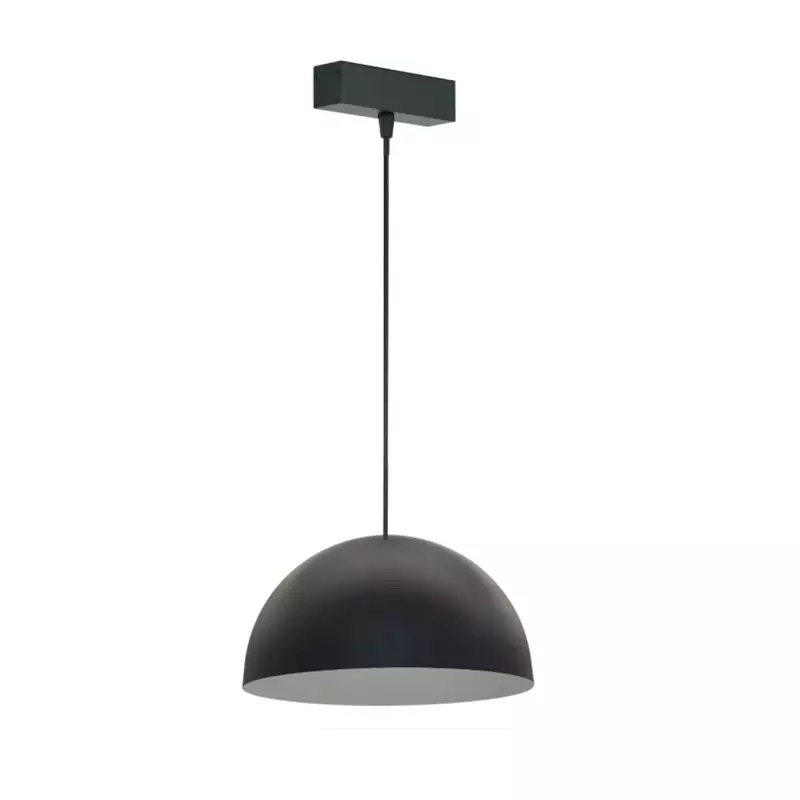
Transform your renovation with a magnetic track pendant light. You get great flexibility, modern style, and lighting you can change. Move magnetic track lights anywhere without using tools. Change the lights for any need, like showing off a coffee table or making a cozy mood. Enjoy lighting that fits you, instead of you fitting it.
Key Takeaways
Magnetic track pendant lights are simple to put up. You do not need tools to install them. You can move or change the lights anytime. This helps you match your needs and style.
These lights use LED technology to save energy. Smart controls help you use less power. This can lower your bills. You can also set the right mood or light for tasks.
Their modern look fits any ceiling or space. They work well in homes, offices, and stores. They are great for people who want flexible and stylish lighting.
What Are Magnetic Track Pendant Lights
How They Work
You can change your space instantly with magnetic track lighting. This system uses a special track made of aluminum, copper, and iron. The magnetic track pendant light attaches to the track with strong magnets. You do not need any tools. Just snap the light into place and move it whenever you want. The track lighting system runs on low voltage, making it safe and energy-efficient. You can choose from recessed, surface-mounted, or suspended tracks to fit your ceiling. The magnets hold the light and also connect it to power. You get real-time control over your lighting. Move the lights while the power stays on. This gives you total freedom to adjust your illumination for any mood or task.
Key Features
Tip: Magnetic track lighting gives you more than just light. It gives you control and style.
Tool-free installation and movement. You can add, remove, or slide each magnetic track pendant light along the track without screws or complex parts.
Modular design. Mix and match spotlights, linear bars, and pendants for custom illumination.
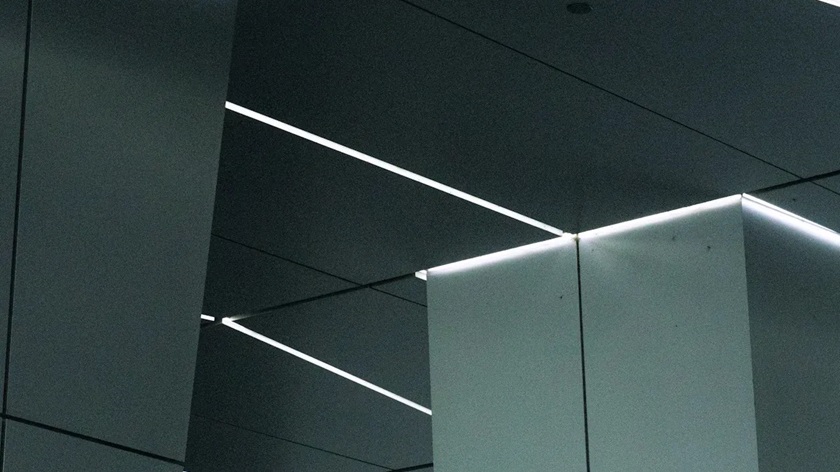
Modern, minimalist look. The ultra-thin track lighting design keeps your ceiling clean and open.
High-quality magnetic lighting uses LED technology. You save energy and enjoy long-lasting, bright light.
Smart controls. Many systems work with digital dimmers and smart home apps for easy adjustments.
Flexible mounting. Use stiff stems or cables to suspend the track at the perfect height, even on vaulted ceilings.
Perfect for homes, offices, and shops. The system adapts to any space and lets you update your lighting as your needs change.
With magnetic track lighting, you get high-quality magnetic lighting that transforms your space. You control the look, the feel, and the function—every day.
Magnetic Track Pendant Light Benefits
Flexibility and Adjustability
You want lights that fit your life. Magnetic track lights are easy to move. Each fixture attaches with a strong magnet. You do not need tools or special skills. You can change your lights any time, even when they are on. The system is like a blank canvas for your ideas. Add, take away, or move LED modules to match your needs. You can set up the lights for any mood or job. The modular design lets you try many layouts. You get lights that change as your space changes.
Tip: Magnetic track lighting lets you change your lights any time. You do not have to keep the same setup forever.
Move lights fast with magnetic connections.
Slide or turn lights for the best angle.
Change the drop or direction for sloped ceilings.
Change your plan after installing, no new wires needed.
Enjoy lights that fit new designs and updates.
Modern Design
Magnetic track lights look modern in any room. Their slim style keeps your ceiling neat. You can match the lights to your room or make them stand out. The thin tracks keep the focus on your furniture and art. You can hide the track for a barely-there look. This style works well in new homes, offices, and stores.
Clean lines and slim shapes look fancy.
Good for simple, industrial, or modern rooms.
Show off beams, walls, or stairs with light.
Mix spotlights, bars, and pendants for your own style.
Add smart tech for a cool, high-tech look.
Simple design makes magnetic track lighting great for renovations. You get a system that looks good and fits any space.
Easy Installation
You want lights that are quick to put up. Magnetic track pendant lights make this easy. The magnets let you add or move lights without big changes. You do not need to lower your ceiling. Put the slim track right on your ceiling using normal wires. This saves you time and money.
Install on solid, surface, or hidden ceilings.
Skip hard wiring and heavy parts.
Add or take away lights without a mess.
Great for old rooms or after fixing up a space.
CASAMBI’s wireless system makes it even easier. You can add Bluetooth to each light. This means no extra wires and fast changes when you need them.
Aspect
Evidence Summary
Ceiling Compatibility
Magnetic track pendant lights work on false, surface, or hidden ceilings.
Installation Ease
Plug-and-play, tool-free setup lets you change lights easily.
Post-Renovation Suitability
Easy to move and change lights, perfect for spaces that change.
Energy Efficiency
You save money and help the earth with these lights. Magnetic track lighting uses LED technology. LEDs use much less energy than old bulbs. You get bright light and lower bills. The Department of Energy says these lights save a lot. You also make less pollution.
Lighting Type
Energy Savings Compared to Conventional Lighting
LED Track Lights
Up to 85% less power used
LED Lights (general)
Up to 90% less energy than old bulbs
Digital dimming and grouping save even more energy. You can control one light or many at once. Make the lights brighter or dimmer for what you need. Use sensors or timers to stop wasting power. The low-voltage system makes these controls safe.
DALI, Zigbee, and more let you dim or group lights.
Wireless controls let you turn off lights from far away.
Built-in LEDs last longer and make less trash.
Digital Controls
You want lights that match your life. Magnetic track lights have many digital controls. Pick from switches, DALI, or smart home systems. Control your lights with your phone, tablet, or voice. Set times, change color, and make scenes for any event.
Control Type
Description & Features
User Experience Enhancement
Zigbee
Wireless system connects to smart hubs and apps like Tuya.
Lets you use your phone, voice, dimming, color, timers, and groups.
DALI
Digital system for building lighting control.
Lets you dim, set scenes, and group lights for custom setups.
Casambi
Bluetooth mesh network for lights.
Lets you control lights wirelessly with an app and manage scenes.
Bluetooth MESH
Mesh network for Bluetooth devices.
Gives strong wireless control and works with smart devices.
Bluetooth + WiFi
Both wireless types for easy connection.
Lets you control lights from anywhere with apps or voice.
Voice Control
Works with Google Home and Alexa.
Lets you use your voice to turn lights on, off, or change colors.
Smart Switches
Wireless Zigbee and wired wall switches.
Lets you control lights without wires and use the app even if switches are off.
Smartphone Apps (Tuya)
Special apps for managing lights.
Easy to use for dimming, color, timers, scenes, and groups.
You get easy, flexible, and custom lighting control. Smart home features make life simpler. You can always change your lights as your needs change.
Magnetic Track Lights in Different Spaces
Residential Use
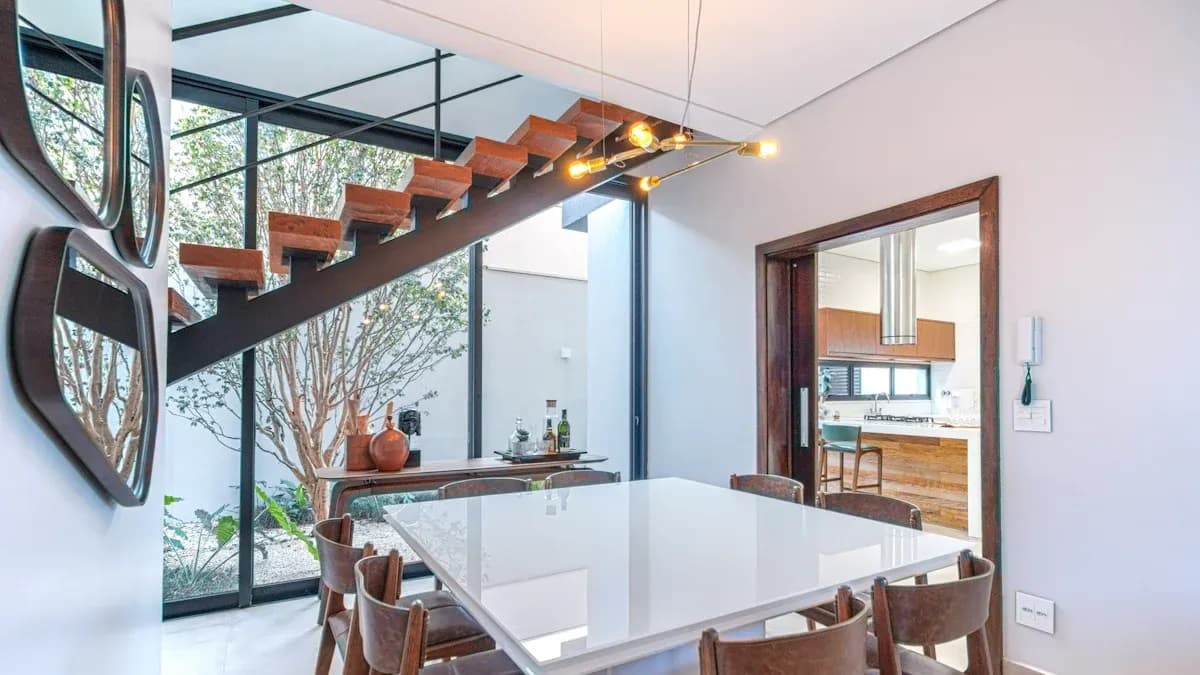
You want your home to look nice and feel cozy. Magnetic track lights help you do both things. You can use these lights in living rooms with sloped ceilings. They can show off beams or artwork. In kitchens, put linear tracks above counters for bright light. This gives you even lighting where you cook. Bedrooms with vaulted ceilings look great with these lights. Mix recessed and pendant lighting on magnetic tracks for a cool look.
Move spotlights to show off your favorite things.
Change the lighting for reading, relaxing, or parties.
Use smart controls to set the mood with your phone.
Tip: Magnetic track lights let you change your lighting any time. You get a modern look and many choices for every room.
Commercial and Office
You want your office to help people work well and look good. Magnetic track lights give you layers of light for every job. Use linear lights for general lighting in big spaces. Add spotlights to focus on desks or displays. Pendant lights make reception and break rooms feel nice.
Change the lighting as your office layout changes.
Cut down glare and shadows for more comfort.
Save energy with LED lights and smart controls.
Magnetic track lights make it easy to update your lights as your business grows. You create a bright, modern space that helps everyone do their best.
Hospitality and Retail
You want your store or restaurant to stand out and bring in customers. Magnetic track lights help you make the right mood. In stores, use accent lighting to show off products and guide shoppers. In restaurants and hotels, mix colors and styles for a cozy or fancy feel.
Move lights to match new displays or seasons.
Use pendant sets for a modern, stylish look.
Make customers happy with flexible, pretty lighting.
Magnetic track lights help your brand and make your space special. You can change the lighting easily to fit your needs and keep your business looking new.
You can change any room with magnetic track pendant lights. These lights are flexible and look modern. They are also simple to put up.
The lighting can change for what you need. It saves energy and works with smart home tech.
Pick lights that can change as your life changes.
Make your space better with lights that make every room bright.
FAQ
Q: How do you move magnetic track pendant lights?
A: You just snap the light off and place it anywhere on the track. No tools needed. You can change your lighting in seconds.
Tip: You can adjust your lights while they are on. Try new layouts anytime.
Q: Can you install magnetic track lights on any ceiling?
A: Yes! You can mount them on flat, sloped, or vaulted ceilings. The system adapts to your space. You get a perfect fit every time.
Q: Are magnetic track pendant lights safe for homes?
A: Absolutely! The low-voltage system keeps your home safe. LED technology stays cool and saves energy. You protect your family and your wallet.
When you choose a LED magnetic linear track light, think about what kind of light you need. Also, look at how your room looks. Magnetic track lighting systems like Vando are flexible and stylish. You can change and move each light easily. This system helps you match the lights to your room. It also makes installation easy.
Magnetic track lighting lets you move lights without tools.
You get a neat look and simple care for any room.
Lighting Needs
Room Purpose
When you start planning your lighting, think about what you do in each room. Every space has its own lighting needs. For example, you might want bright light in your kitchen for cooking or softer light in your bedroom for relaxing. Magnetic track lighting gives you the power to change your lighting layout as your needs change. You can move each magnetic track light along the track without any tools. This makes it easy to switch from task lighting to ambient lighting whenever you want.
Let’s break down the main types of lighting you might need:
Task lighting: You need this when you want to focus on something, like reading, cooking, or doing homework. Task lighting should be bright and clear. It works best with a cooler color temperature, usually between 3500–4500 K. You can use adjustable fixtures on your track to point the light right where you need it.
Ambient lighting: This is the main source of light in a room. It fills the whole space with a soft, even glow. Ambient lighting helps you see and move around safely. It usually has a warmer color temperature, around 2700–3000 K, to make the room feel cozy.
Accent lighting: Sometimes, you want to highlight a special feature, like a painting or a cool piece of furniture. Accent lighting uses focused beams to draw attention to these spots. With magnetic track lighting, you can easily add or move lights to create the perfect accent.
Tip: Try layering different types of lighting in one room. You can mix task, ambient, and accent lighting to make your space both useful and beautiful.
Magnetic track lights are great for homes because you can add or remove fixtures to change the light intensity. You can also angle the lights to get just the right effect. The low-voltage design keeps things safe, especially in places where kids play or study.
Space Size and Layout
The size and layout of your room matter a lot when you choose your lighting. First, measure your space. Think about how much illumination you need. For example, living rooms and bedrooms usually need about 10–20 lumens per square foot. Kitchens and bathrooms need more, sometimes up to 80 lumens per square foot for task areas.
Here’s a quick guide:
Room Type
Recommended Lumens per Sq. Ft.
Living Room
10–20
Bedroom
10–20
Kitchen
30–40
Bathroom
70–80
Hallway
5–10
Dining Room
30–40
Task Areas
70–80
When you plan your lighting layout, look at the shape of your room. Is it long and narrow, or wide and open? Do you have corners or curves? Vando offers several track options to fit any layout. The Standard track works well for most rooms. The Mini and Ultra Slim tracks are perfect for smaller spaces or places where you want a sleek look. If your room has a unique shape, like a curved wall or ceiling, the Curvy track lets you follow those lines for a custom lighting layout.
You can install these tracks on the ceiling or walls. You can even cut the tracks to the exact length you need. Place your magnetic track lights wherever you want along the track. If you move your furniture or change your room’s purpose, just slide the lights to a new spot. This flexibility means your lighting can always match your space.
Note: Good lighting makes your room feel bigger and more welcoming. Take time to plan your lighting layout so every part of your space gets the right amount of illumination.
Track Light Features
Brightness and Color Temperature
When you pick a LED magnetic linear track light, brightness and color temperature are important. You want the lights to fit the mood and job of each room. Vando’s magnetic track light system uses flicker-free LED technology. This gives you smooth light with no harsh glare. Anti-glare covers help your eyes feel good, even if you stay in the room for a long time.
Here is how color temperature changes your space:
Warm lighting makes rooms feel cozy and nice.
Soft light helps you relax at night.
A friendly glow helps people talk and feel welcome in living and dining rooms.
Good lighting can show off your decorations and colors.
Anti-glare covers make rooms easier on your eyes.
Using warm lights at night helps you sleep better.
The right mix of brightness and warmth works for both main and work lighting.
Cooler lighting helps you focus in kitchens and home offices.
Nice lighting makes guests feel at home.
Comfortable lighting helps you be creative.
Tip: Use warm lighting (2700K–3000K) in bedrooms and living rooms to relax. Pick cool lighting (4000K and above) in kitchens or work areas to help you stay alert and get work done.
Studies show that color temperature can change how you feel. Warm white light helps you calm down. Cool white light keeps you awake and focused. If you use the right lighting at the right time, you can feel better and sleep well.
Dimming and Controls
You want to control your lighting. Vando’s LED magnetic linear track light system has advanced dimming options like Triac, 0/1-10V, and DALI. These let you change the brightness for any activity or mood. You can set the best light for movie nights, homework, or dinner.
Here is a quick look at the main dimming methods:
Dimming Method
Advantages
Typical Applications
Suitability for LED Magnetic Track Lighting
Triac
Cheap, easy to find, good for old homes, simple to use
Homes, old projects
Not the best because it may not always work well
0/1-10V
Smooth dimming, works with many lights, steady and even light
Stores, offices, fancy homes
Good for steady light and control in offices and stores
DALI
Very flexible, lets you control each light, two-way talk, set scenes
Big or tricky projects, smart buildings, museums, galleries
Great for control, scene setting, and special features in big projects
With DALI, you can control each light by itself, set scenes, and even get feedback from your lights. This lets you make custom lighting for any event. Triac is simple and cheap, but it is best for basic home use. If you want smooth, steady light, 0/1-10V and DALI are good picks.
Modularity and Flexibility
You want lights that can change as you do. Vando’s magnetic track light system is modular. You can add, take away, or move lights whenever you want. You do not need tools or an electrician to make changes. The magnetic design lets you snap lights in place and slide them along the track.
Here are some cool ways to customize:
Suspended magnetic track lighting lets you change the height for different looks.
Rotatable magnetic LED spotlights can point anywhere for fun lighting.
You can mix different modules, like pendant lights, thin fixtures, and spotlights.
Put your track lighting on the ceiling, wall, or even in curved shapes to fit your room.
Dimmable options work with smart home systems, so you can use your phone to control the lights.
Note: Modular track lighting means you can change your setup when you want. Move your furniture, use a room for something new, or just try a new look—your lights will always work for you.
Modular systems let you make custom shapes, like squares, U-shapes, or zigzags. You can use different types of lights on one track for layers of light. This flexibility gives you creative power and makes your lighting system last a long time in any room.
Style and Decor
Fixture Design
When you pick a magnetic linear track light, you want it to look nice. Vando has fixtures with fancy coatings and European-style pendants. These designs make your room look classy. You can pick finishes like black, white, or shiny aluminum. Each finish helps your light match your furniture and style.
Surface-mounted magnetic track lights are great for modern homes. They look thin and cool.
Recessed tracks give a clean look. Your ceiling looks open and neat.
You can snap fixtures onto the track without tools. Move them to fit your space or mood.
Adjustable spotlights and pendants help you set the mood for any activity.
European-style pendants make your room look fancy. Their simple shapes and good materials make your space feel cozy and nice.
Integration with Space
You want your lighting to fit in and make your room look finished. Magnetic track lighting works with many kinds of decor. The slim tracks and hidden magnets give a simple look. This makes your lights almost disappear, so people notice your room’s style.
Ultra-narrow tracks fit in small spaces and odd layouts.
Flexible tracks can bend around corners or curves. This gives you more ways to set up your lights.
You can dim the lights or change the color temperature. This helps you get the mood you want.
Smart controls let you change your lighting for different times or activities.
Good-looking lighting helps set the right mood. It makes your space feel warm and welcoming. With Vando, you get both style and use, making your home feel just right.
Magnetic Track Lighting Installation
Track System Types
You have many choices when it comes to magnetic track lighting. Picking the right track makes your lighting look great and work well. For homes, you should avoid tracks wider than 40mm. Vando offers Standard, Mini, Ultra Slim, and Curvy tracks. These fit different room shapes and sizes. You can create L, I, U, or S shapes with your track. This lets you match the track to your room’s layout.
Cut the track to any length for a perfect fit.
Place magnetic track light fixtures anywhere along the track.
Use adjustable cables for pendant lights. You can change the height to suit your space.
Tip: Plan your lighting layout before you start. Think about where you want each light and how the track will run across your ceiling or wall.
Electrical Setup
Getting the electrical setup right is key for safe and reliable lighting. First, check your ceiling and wiring. Make sure they can support the track and lights. Use low-voltage power systems like 12V, 24V, or 48V for better safety and efficiency. Attach brackets to strong parts of the ceiling to keep everything secure.
Here’s a quick table to help you remember what to check:
Consideration
What You Should Do
Ceiling and Wiring Check
Inspect before installing the track and lights
Power Supply
Choose a driver with 15-20% extra capacity for all your lights
Track Type
Use J-Type tracks for homes
Pendant Length and Weight
Adjust cables and use supports for heavy lights
Smart Controls
Plan for wireless Bluetooth options and dimming controls
Wireless Bluetooth options from Vando make installation even easier. You can control your magnetic track lighting without extra wiring. Always use parts from the same system to avoid problems. If you want smart dimming or special controls, plan these before you start.
Note: Careful planning and checking help you avoid flickering or overload. Your led magnetic linear track light system will last longer and work better.
Budget and Efficiency
Price and Value
When you shop for magnetic track lighting, you want to know what you’re paying for. The price can change based on the quality of materials and the brand. Here’s a quick look at typical costs:
Component
Typical Price Range (USD)
Notes on Price Variation Factors
Track Rail
15 - 25 per meter
Aluminum thickness, chip quality
Lamps
15 - 30 per piece
LED chip brand, lighting effect
Accessories
Included in package
Quality of plugs, dust covers
Power Supply
Varies
Driver type, warranty, quality
You might notice that thicker aluminum and better chips make the track more durable. High-quality LED chips can triple the cost, but they last longer and shine brighter. Paint finish and brand reputation also affect the price. You get what you pay for, so investing in a trusted brand like Vando means your lighting will look good and work well for years.
Tip: Always check what’s included in the package. Some brands offer accessories and power supplies, which can save you money.
Energy Savings
You want your lighting to save you money over time. LED magnetic track lights use less energy than old bulbs. They last up to 25 times longer, so you don’t have to replace them often. You can cut your electric bill by up to 90%. If you use dimmers or motion sensors, you save even more—up to 20% extra.
LED magnetic track lights run cooler, which keeps your home safe and protects your furniture. You can move and adjust the lights to shine only where you need them. This makes your lighting more efficient and reduces waste. Smart controls help you use light only when you need it, lowering your bills and helping the planet.
Choosing energy-efficient lighting means you spend less on electricity and maintenance. You get bright, flexible light and save money year after year.
Final Tips for Magnetic Track Light Choice
Reviews and Recommendations
Before you buy any lighting, take time to read customer reviews. People share real stories about how their lights work at home. You can learn if the track system is easy to install or if the brightness fits your needs. Experts also give advice on what features matter most, like high efficiency and dimmable options. They often talk about how magnetic attachments make upgrading simple. If you want the best results, look for expert recommendations about color temperature, CRI values, and track layout. These tips help you pick lighting that matches your room and style.
Tip: Ask friends or family if they have tried magnetic track lighting. Their feedback can help you avoid mistakes and find the right track for your space.
Test in Your Space
Testing lighting in your room is a smart move. Try different track layouts to see what looks best. Move the fixtures around and check how the light falls on your furniture or walls. Magnetic track lighting lets you change the position of each light without tools. You can highlight a painting one day and brighten your desk the next. This flexibility means your lighting can grow with your needs. If you change your room’s layout or decor, just slide the lights to a new spot.
Here’s a quick checklist to help you test your setup:
Step
What to Do
Try different spots
Move fixtures along the track
Check brightness
Adjust for each activity
Look for shadows
Make sure every area gets light
Change decor
See how lighting fits new styles
Note: You can always adjust your lighting later. Magnetic track lighting gives you freedom to update your space anytime.
You can find the perfect led magnetic linear track light by following these steps:
Think about your room’s size, style, and lighting needs.
Pick the right track and fixture types for each space.
Adjust and layer your lights for comfort and style.
Imagine you are at a small table. The Magnetic Globe Pendant Light shines softly above you. You can change its height easily with a touch. This is because of its smart magnetic design. The round light looks like the moon. It hangs over you and gives gentle light. There are no harsh shadows. Every meal feels special under this light. Your dining space becomes warm and stylish. It looks modern and welcoming, like a gallery.
Key Takeaways
The Magnetic Globe Pendant Light has a hidden magnetic system. This lets it float and change height easily. It gives off a soft glow with no shadows. This makes it great for cozy dinners.
Set the light between 30 and 36 inches above your table. This helps make the room feel close and bright. Using more globes together adds style and warmth.
You can change the globe’s angle to set the mood. Point it straight down for bright light. Tilt it a little for a softer, warmer feel.
Use dimmable warm white LEDs for your light. Add other lights to make the room flexible and welcoming for any event.
Be gentle with the glass globes. Unplug the light before you touch it. Wear gloves and clean it often. This keeps your light looking nice and safe.
Magnetic Globe Pendant Light Overview
Features
The Magnetic Globe Pendant Lightstands out because of its unique design. You will notice that the globe seems to float in the air. This happens because the light uses an invisible magnetic suspension. The support stays hidden, so you only see the glowing sphere. It looks like magic above your table.
The globe itself is made from hand-blown glass. Skilled artists shape melted glass using blowpipes. Sometimes, they use special Murano glass for extra beauty. Each globe has its own shape and texture, making every light one of a kind.
Common materials for these globes include:
Blown glass
Murano glass
Inside the globe, you will find a high-CRI LED. This type of LED gives you rich, natural colors. Your food, table settings, and even the walls look more vibrant and true-to-life. The Magnetic Globe Pendant Light does not just light up your space—it makes everything look better.
Ambiance
When you turn on the Magnetic Globe Pendant Light, you get a soft, moonlike glow. The light spreads evenly, so you do not see harsh shadows or glare. This creates a calm and cozy feeling, perfect for a dinner with friends or family.
Shadow-free illumination helps your dining area feel more elegant and comfortable. Many luxury interiors use this kind of lighting to add a refined touch.
Designers love using these lights in modern homes, boutique hotels, and stylish restaurants. The floating effect and gentle light make your space feel special. You can enjoy a gallery-worthy look right in your own dining room.
Adjusting Magnetic Globe Pendant Light
Height
You can adjust the height of your Magnetic Globe Pendant Light with just a gentle touch. The secret is in the industrial-strength magnetic base. Inside, a powerful electromagnet works with a tiny computer called an Arduino Nano. This system uses sensors to measure the globe’s position every millisecond. It changes the magnetic force to keep the globe floating at the exact height you want. You don’t have to worry about the globe dropping or wobbling. The base even has a heatsink and temperature sensor to keep everything safe.
When you set up your light, think about how high you want it above your dining table. Most designers suggest hanging the globe about 30 to 36 inches above the table. This height gives you enough light for your meal and keeps the space feeling cozy. If you want a more intimate vibe, try lowering the globe to around 34 inches. For bigger tables, you can hang several globes at different heights. This adds visual interest and makes your dining area look stylish.
Tip: Hanging your Magnetic Globe Pendant Light too low can block your view. Hanging it too high can make the room feel less cozy. Stick to the recommended range for the best results.
Angle
The angle of your pendant light matters, too. When you point the globe straight down, the light focuses on your table. This makes your food and decorations stand out. It also helps everyone see what’s on their plate. If you tilt the globe a little, you can create softer shadows and a relaxed mood. Downward light is best for dinner because it makes the table the center of attention.
You can play with the angle to change the mood. A straight-down angle feels formal and bright. A slight tilt feels casual and warm. Try different angles to see what works best for your space.
Grouping
Grouping Magnetic Globe Pendant Lights can turn your dining room into a showstopper. You have lots of options. For a classic look, hang three globes in a row above a long table. Keep them 24 to 30 inches apart for even light. This setup feels balanced and modern.
If you want something bold, try an asymmetrical group. Hang globes at different heights and use different sizes. This breaks up the space and adds energy. In rooms with high ceilings, you can create a multi-tiered chandelier by clustering globes at different levels. This adds drama and makes your dining area feel special.
For small tables, one globe is enough.
For big tables or open spaces, use several globes for even light.
Multiple globes can make the room feel more intimate, especially if you hang them lower.
Grouped lights act as a visual anchor, helping define your dining area.
Note: Warm white bulbs (2700K–3000K) and dimmable LEDs help you control the mood. You can go from a soft glow for dinner to bright light for parties.
The Magnetic Globe Pendant Light lets you create the perfect atmosphere for any occasion. You can adjust the height, angle, and grouping to match your style and needs.
Dining Ambiance Tips
Light Levels
Soft, shadow-free lighting sets the mood for an intimate dinner. You want your dining area to feel cozy, not too bright or too dim. Dimmable LEDs let you adjust the glow to match the occasion. Lower light levels help everyone relax and enjoy the meal. Warm white bulbs (2700K–3000K) create a gentle atmosphere that flatters food and faces. If you layer your lighting with floor lamps or wall sconces, you add depth and flexibility. You can switch between lively gatherings and quiet evenings with just a touch.
Tip: Use dimmers to control the brightness. You can make the room feel more inviting for guests or keep it soft for a romantic dinner.
Placement
Where you hang your pendant lights changes how your dining room feels. If you place them 24 to 30 inches above the table, you create a cozy, intimate space. This height draws people together and makes the table the center of attention. Hanging lights above 36 inches opens up the room and makes the ceiling look taller. Mid-height placements, between 30 and 36 inches, balance intimacy and openness.
Clustered pendants form a visual center and foster togetherness.
Linear arrangements stretch narrow spaces and add style.
Even spacing helps divide open floor plans into distinct areas.
Pendant lights with frosted or clear glass spread light evenly, making your dining area warm and inviting. You can highlight your table and create a welcoming spot for every meal.
Decor
Pairing your pendant lights with the right decor brings out their best features. Scandinavian style uses neutral colors, warm wood, and soft textures for a simple, elegant look. Industrial style mixes brass fixtures, exposed brick, and matte-black finishes for boldness and charm. Warm white lighting highlights wood grains and brass, making the space feel rich and cozy.
Try jewel-toned walls or terrazzo floors for extra sophistication.
Keep the space uncluttered so the pendant light stands out.
Layer lighting for balance and depth.
Let your pendant light be the star. Choose decor that supports a tranquil, refined setting. Your dining room will feel both stylish and comfortable.
Handling
You want your pendant lights to stay safe and look great. When you adjust or install your light, make sure the magnetic connection is secure. The powder-coated aluminum connectors snap onto the track with a strong magnet. This keeps your light stable and gives it a smooth look. You can use track connectors, mounting brackets, or a Pendant Conversion Kit for extra support. These accessories help your light hang straight and stay in place.
Hand-blown glass globes need gentle care. Always unplug your lamp and let it cool before you touch it. Put on white gloves to avoid fingerprints and protect the glass from skin oils. Use both hands when you move the globe. Never rush or force the glass into place. Keep the light out of reach of children to prevent accidents. If you unpack a new globe, go slow and watch for fragile packaging.
Tip: Handle glass globes with care. They are delicate and can break if dropped or bumped.
Quick Handling Checklist
Unplug and cool the lamp before touching.
Wear gloves to protect the glass.
Use both hands to move the globe.
Keep away from children.
Check magnetic connectors for a secure fit.
Cleaning
Clean glass globes often to keep them bright and clear. Dust them every week with a soft, dry cloth. For deeper cleaning, mix vinegar and distilled water or use mild dish soap with vinegar. Dip a microfiber cloth in the solution. Wipe the glass gently. Never spray cleaner right onto the globe. This can cause streaks or damage the finish. For tough spots, use light pressure only. If your globe has lots of details, try steam cleaning or ultrasonic cleaning.
After you clean, dry the glass with a lint-free cloth. This stops streaks and keeps the globe shiny. Turn off the power before you clean any part of the light. Clean the LED parts with a dry cloth. Do not use water or harsh chemicals on the LED.
Note: Regular cleaning helps your light shine and last longer. Schedule deep cleaning every six months for best results.
Cleaning Step
What to Do
How Often
Dusting
Use soft, dry cloth
Weekly
Deep Cleaning
Vinegar + water, microfiber cloth
6-12 months
LED Maintenance
Dry cloth only
As needed
You can change your Magnetic Globe Pendant Light to make your dining area cozy. The light is soft and spreads out evenly. This makes the room feel warm and nice. Other lights can be too bright or sharp. If you have problems, try these easy fixes:
Challenge
Solution
Globe not rotating
Put it in a brighter place and wait a bit.
Misalignment
Move it gently to help the magnet work better.
Dirty surface
Wipe it with a soft cloth to keep it clean.
Use these ideas at your next meal. You will enjoy the calm and pretty look, like an art gallery.
The magnetic track rail lighting system offers a smart solution to frequent lighting challenges in modern spaces. Many environments face issues like inadequate lighting, glare, high energy consumption, and uneven coverage. Vando Lighting’s 24V recessed magnetic track rail lighting system introduces unmatched flexibility and effortless installation with a sleek, flush finish. Users can easily adapt the magnetic track lighting to suit residential, commercial, or gallery settings. Industry trends highlight the demand for flexible, energy-efficient, and minimalist magnetic lighting solutions.
Trend
Description
Flexible and Customizable
Adaptable lighting for any setting
Energy Efficiency
LED technology supports eco-friendly practices
Aesthetic Preferences
Minimalist design enhances modern interiors
What Is a Magnetic Track Rail Lighting System?
A magnetic track rail lighting system represents a modern evolution in track lighting systems. Unlike traditional options, this system uses magnets to attach light fixtures to the track, allowing for effortless repositioning and customization. The design supports both recessed and surface-mounted installations, making it suitable for a wide range of environments. Users can select a recessed configuration for a flush, minimalist appearance or opt for surface mounting when architectural constraints exist.
The following table highlights the differences between magnetic track rail lighting and traditional track lighting systems:
Feature
Magnetic Track Rail Lighting
Traditional Track Lighting
Fixture Attachment
Utilizes magnets for easy repositioning
Relies on mechanical mounts requiring tools
Power Supply
Operates on low-voltage DC power
Uses line-voltage AC power
Safety and Efficiency
Safer and more energy-efficient
Less safe and less energy-efficient
Design
Slim and modern design
Often bulkier and less versatile
Flexibility
Easy to add, remove, or move lights
More difficult to adjust fixtures
Vando Lighting’s 24V recessedmagnetic track rail lighting system stands out with its sleek, flush design. The system integrates seamlessly into ceilings or walls, providing a contemporary look that enhances any space.
How It Works
The magnetic track light system operates through a combination of innovative components and smart engineering. The main elements include:
Track: Mounted on the ceiling or wall, the track contains a long iron sheet that allows spotlights to attach magnetically.
Light Modules: These magnetic heads connect to copper rails within the track, drawing power for illumination.
Power Supply: This unit converts standard AC power to low-voltage DC, ensuring both safety and energy efficiency.
The magnetic mechanism enables users to add, remove, or reposition light modules along the track without tools. This flexibility supports tailored lighting designs for residential, commercial, and gallery settings. Most systems, including Vando Lighting’s, operate at 24V, which enhances safety and reduces energy consumption. The system also supports external dimming interfaces such as Triac, 0/1-10V, and Dali, offering precise control over brightness and ambiance.
Note: The magnetic track rail lighting system allows for quick adjustments and easy customization, making it ideal for spaces that require adaptable lighting solutions.
Key Features of Magnetic Track Light Systems
Recessed Design
Magnetic track light systems offer a recessed design that blends seamlessly into ceilings and walls. This approach creates a clean, modern look that suits both residential and commercial interiors. Installers can use the magnetic track to achieve a flush finish, eliminating the visual clutter of bulky lighting fixtures. The system supports customizable configurations, including straight runs, corners, and three-dimensional effects. Designers can use the magnetic track to highlight architectural features or create dramatic lighting patterns. The flexibility of magnetic track lighting allows users to reposition lights easily, adapting the layout to changing needs or the latest trends in magnetic track lighting.
Energy Efficiency
Energy efficiency stands as a core benefit of magnetic track lighting. The 24V LED technology used in these systems delivers bright illumination while reducing power consumption. Compared to conventional metal halide lights, LED magnetic track lighting uses only 30%-40% of the energy for the same brightness. This significant reduction in energy use helps lower utility costs and supports eco-friendly practices. Many manufacturers also focus on sustainable product design by using lead-free solder paste and plastic-free packaging.
Lead-free solder paste
Plastic-free packaging
Commitment to sustainable product design
Dimming Options
Magnetic track lighting systems provide advanced dimming options for precise control over the lighting environment. Users can select from several dimming interfaces, including Triac, 0/1-10V, and DALI. These options allow for smooth adjustments in light intensity, enhancing visibility or creating a more intimate atmosphere as needed. Smart dimming features, such as WIFI, Bluetooth mesh, and Zigbee, enable remote control and integration with smart home systems.
Dimming Method
Description
0-10V Dimming
Requires additional wiring, can increase installation costs.
DALI Dimming
Compatible with advanced control systems.
Smart Dimming
Includes options like WIFI, Bluetooth, and Zigbee for remote control.
Manufacturers often back their magnetic track lighting with warranties ranging from three to five years, ensuring long-term reliability.
Manufacturer
Warranty Period
Armor Lighting
3 years, 5 years
Awell
3 years
Solving Lighting Issues with Magnetic Track System
Flexibility and Adaptability
Lighting challenges often arise from poor coverage and rigid layouts. The magnetic track rail lighting system addresses these issues by offering flexible lighting solutions that adapt to any space. Users can reposition light modules along the track to target specific areas, which proves essential in rooms with unique layouts or changing needs. The system allows for the integration of various light modules, enabling tailored lighting arrangements for both residential and commercial environments.
Magnetic track lighting provides the ability to:
Adjust the positioning of light sources to eliminate dark spots.
Combine different types of fixtures for task, accent, or ambient lighting.
Modify the lighting layout after moving furniture or changing the room’s function.
This adaptability ensures that every corner receives optimal illumination. The magnetic track system supports dynamic lighting designs, making it a preferred choice for those who value versatility and the latest trends in magnetic track lighting.
Easy Installation
Traditional track lighting systems often require complex installation processes, which can deter users from upgrading their lighting. The magnetic track light system simplifies installation with its snap-fit magnetic design. Installers can mount the track on ceilings or walls, then attach light modules magnetically without the need for tools or technical expertise.
The process involves three straightforward steps:
Secure the track to the desired surface.
Connect the power supply to the track.
Snap magnetic light modules into place.
This approach reduces installation time and minimizes disruption to the space. Users can easily modify the lighting arrangement post-installation, which is especially beneficial for spaces that undergo frequent changes. The magnetic track lighting system eliminates the hassle of rewiring or using specialized equipment, making it accessible for both professionals and DIY enthusiasts.
Design Versatility
Design versatility stands as a hallmark of magnetic track light systems. The system’s modular nature allows users to create customized lighting patterns that enhance architectural features or highlight artwork. The magnetic track supports straight runs, corners, and even three-dimensional configurations, offering limitless possibilities for creative expression.
Magnetic track lighting excels in spaces with challenging layouts, such as sloped or vaulted ceilings. Users can reposition fixtures along the track or rotate them to achieve the best lighting angles. This flexibility ensures optimal illumination regardless of the ceiling’s shape or the room’s purpose.
Aspect
Magnetic Track Lighting
Traditional Track Lighting
Adjustment Effort
Move or slide fixtures fast
Takes time and effort to adjust
Post-Installation
Easy to reposition fixtures without tools
Requires significant effort to adjust
Magnetic track lighting systems offer significant advantages in terms of adjustability. Users can easily reposition and adjust fixtures without tools, making the system ideal for dynamic displays and evolving spaces. In contrast, traditional fixed lighting systems remain rigid and require more effort to modify.
Note: The magnetic track system empowers users to adapt their lighting as needs change, ensuring both functionality and aesthetic appeal.
The magnetic track rail lighting system delivers a seamless blend of flexibility, easy installation, and design versatility. These features solve common lighting issues and set a new standard for modern track lighting systems.
Applications of Magnetic Track Light System
Residential Spaces
Magnetic track light systems have transformed residential applications by offering adaptable lighting solutions for every room. Homeowners can easily reposition magnetic lighting fixtures to suit changing needs or interior layouts. The magnetic track system allows for seamless integration into ceilings and walls, creating a modern and uncluttered appearance. Users often select these systems for their ability to provide both ambient and task lighting, enhancing comfort and functionality in daily life.
The following table demonstrates common installations of magnetic track lighting in residential spaces:
Room
Example of Installation
Living Room
Magnetic Track Lighting in Living Room
Dining Room
Magnetic Track Lighting in Dining Room
Kitchen
Magnetic Track Lighting in Kitchen
Bedroom
Magnetic Track Lighting in Bedroom
Corridor
Magnetic Track Lighting in the Corridor
Study Room
Magnetic Track Lighting in Study Room
Homeowners appreciate the adaptability of magnetic track light systems. They can move fixtures without tools, adjust lighting for different activities, and enjoy energy-efficient illumination. The modern design of the magnetic track lighting system blends with various architectural styles, making it a popular choice for residential applications.
Commercial and Gallery Use
Commercial applications of magnetic track light systems extend to offices, retail stores, and galleries. Business owners value the flexibility of these systems for creating dynamic layouts and enhancing visual impact. In retail environments, magnetic lighting highlights luxury goods and creates a focused ambiance that standard lighting cannot achieve. Offices benefit from customizable lighting arrangements that improve productivity and comfort.
Museums and galleries rely on magnetic track lighting to showcase artwork and exhibits. The ability to adjust magnetic lighting fixtures ensures that each piece receives optimal illumination. The following table outlines how magnetic track lighting enhances commercial and gallery environments:
Environment
Benefit of Magnetic Track Lighting
Gallery
Adjustable lighting highlights artwork and exhibits
Museum
Optimal illumination for display items
Retail Store
Focused lighting enhances product presentation
Users highlight the energy efficiency of LED magnetic track lights, which help reduce operational costs. The versatility of the magnetic track system allows for quick changes in lighting design, supporting evolving displays and business needs. The sleek appearance of the track lighting system elevates the overall aesthetic, making it a preferred solution for both commercial and gallery settings.
Note: Magnetic track light systems deliver customizable lighting arrangements and aesthetic enhancement across a wide range of applications, from homes to galleries.
Installation and Selection Tips
Choosing the Right System
Selecting the ideal magnetic track rail lighting system depends on several factors. Room size, ceiling height, and lighting goals play a major role in determining the best solution. For higher ceilings, longer fixtures provide better illumination, while shorter fixtures suit lower ceilings. The magnetic track system offers flexibility for general, task, or accent lighting, making it suitable for diverse applications.
Tip: Always match the style and design of the fixtures to the existing décor for a cohesive look.
The following table outlines key considerations for choosing a magnetic lighting system:
Factor
Description
Ceiling Height
Longer fixtures for high ceilings, shorter for low ceilings.
Lighting Needs and Goals
General, task, or accent lighting based on room activities.
Style and Design
Fixtures should enhance the space’s aesthetic.
Energy Efficiency
LED lights reduce costs and environmental impact.
Compatibility
Ensure the system fits existing electrical setups.
Track Types
Different tracks affect power supply and performance.
Spacing
Fixtures spaced about 5 inches apart for even coverage.
Beam Angles
A 45-degree angle provides balanced lighting.
Color Temperature
Choose cooler or warmer shades for the desired ambiance.
Technical specifications also matter. The size of the magnetic track, installation options, power supply, and cabling methods influence both performance and appearance. Surface-mounted and recessed tracks offer different aesthetics and space requirements. Most systems use 24V or 48V power, requiring a transformer for standard 220V sources.
Installation Guide
Proper installation ensures optimal performance and longevity for magnetic lighting systems. The process for recessed magnetic track lighting involves several steps:
Mark the cut line with precision.
Cut the drywall at the marked location.
Run the electrical cable through the opening.
Install the recessed housing for the track.
Connect power and install the electrical track.
Finish the trimless system for a seamless look.
Complete final assembly and test the lighting.
Note: Avoid common mistakes such as ignoring main light design, incorrect distance from the wall, overcrowding track lights, or not hiring experienced help.
Routine maintenance keeps the magnetic track system functioning efficiently. Regular inspections help identify issues early. Cleaning prevents dust buildup that can affect lighting performance. Checking for secure connections and loose wiring maintains safety and reliability.
Magnetic track lighting offers easy installation and adaptability for various applications. Users can reposition fixtures along the track to suit changing needs, making it a versatile choice for homes, offices, and galleries.
The magnetic track rail lighting system solves common lighting challenges through flexible adjustment, modular design, and safe low-voltage operation. Users benefit from easy installation, versatile magnetic track configurations, and energy-efficient lighting for diverse applications. Compared to traditional options, magnetic track lighting offers hidden wiring, lower costs, and smart integration.
For more on Vando Lighting’s 24V recessed magnetic track rail lighting system, explore the resources below:
Resource
Description
Magnetic Track lighting system
Iconic Vando system for commercial and residential applications
Whether your business is a retail store or a restaurant, the proverbial magic happens at the point of sale. POS means Point Of Sale, which usually refers to the place where you complete the transaction. In the narrowest sense, POS machine refers to the transaction processing terminal located at the cashier’s office, which is used to process credit cards, debit cards or membership cards.
What’s the best POS system?
The short answer to this question is, “Whichever system fits your business.” The advantages of using a POS system all relate to the system’s ability to improve a business’s flow and function. A POS system that is properly tailored to a business’s needs will achieve those improvements, but a POS system that is poorly tailored to a business’s needs will lead to difficulties and may even result in a decrease in productivity.
Pos Hardware.
POS hardware includes pos machine, cash drawer, scanner, thermal printer, vfd customer display and Credit Card Reader.
Merchants can freely combine POS hardware according to demand to achieve higher work efficiency.
Or you can choose all-in-one POS hardware and concentrate all functions on one POS machine to save as much space as possible.
Where to Buy Cheap POS Machine?
1. E-commerce website. Buying szgilong POS machines on Amazon, eBay, and other shopping sites can get your favorite brand at a low price, but you need to install it yourself, it is difficult to deal with after-sales problems.
2. Local store. POS machines can be quickly obtained at local stores, but are usually more expensive.
3. POS equipment manufacturers. This method is suitable for software vendors or distributors. Usually imported at a cheap price for re-distribution to local stores, but requires wholesale.
However, due to market competition, a small number of POS machines can also be easily obtained through Chinese websites.
Shenzhen Gilong Electronic Co., Ltd has been manufacturing POS machines since 2008. The biggest advantage is that it can be sold in small quantities to meet the needs of all customers.
If you want to develop a unique model, you can also ask us to help you. We have a professional R & D design team and have a lot of experience in customizing models for customers.