You want new lights that look cool and can change. The magnetic track lighting system gives you a modern look. It saves energy and is easy to put in. With a magnetic track light system, you can change your room anytime. Try magnetic rail lighting system choices for your house. Use this guide for smart magnetic track lighting picks.

Tip: Magnetic track lighting lets you change brightness and where lights go fast.


Key Takeaways

  • Magnetic track lighting is flexible. You can move lights easily. You do not need any tools. You can change your room’s look fast.

  • This lighting system saves energy. It uses LED technology. You spend less money on electricity. It is also good for the environment.

  • Installation is easy and fast. You can set up magnetic track lighting with simple tools. Anyone can do it.


Benefits of Magnetic Track Lighting
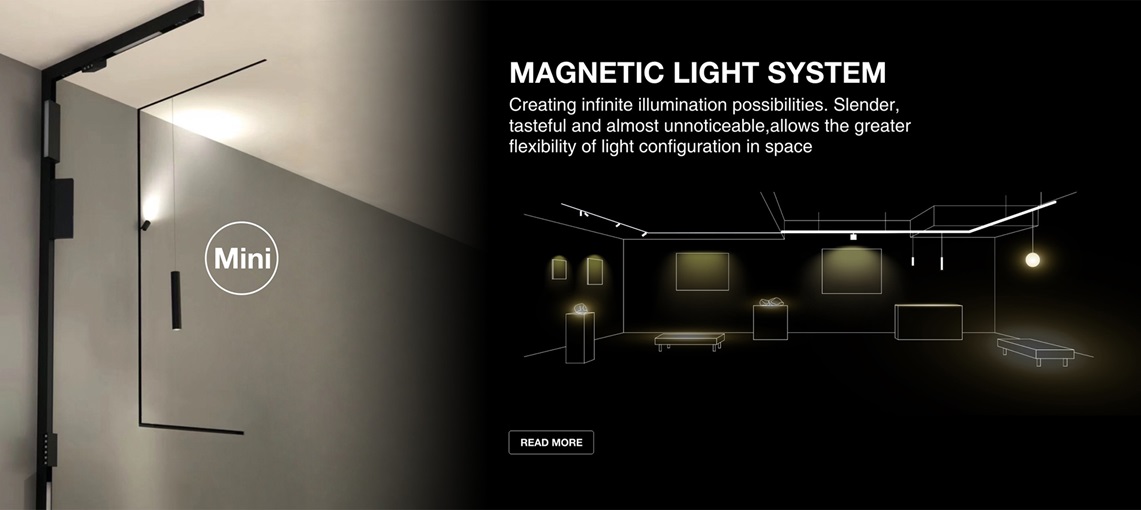
Magnetic Track Light System

Flexibility & Customization

You want lights that can change when you need them to. Magnetic track lighting lets you do this easily. You can move each light without using any tools. Just snap the lights on or off the track. This helps you try new setups or show off different parts of your room. Stores like this because they can quickly change lights for new displays. At home, you can move lights for reading, parties, or watching movies.

Here’s a simple look at how magnetic track lighting compares to old fixtures:

Feature

Magnetic Track Lighting

Traditional Lighting Fixtures

Adjustability

Tool-free rearrangement

Fixed fixtures

Modularity

Highly adaptable

Limited adjustability

You get more ways to make your space your own. Many magnetic track lighting systems come in 2-meter lengths. They use 48V rails and have white finishes for a clean look. You can pick ceiling recessed tracks for a smooth style. Corner connectors help you build shapes that fit your room. Old lights do not let you customize this much.


Modern Design

If you want your home to look new and stylish, magnetic track lighting is a smart pick. The design is simple and neat. The tracks are small and the connectors are hidden. This makes your ceiling look smooth and clean. The lights fit into your space instead of standing out.

Feature

Magnetic Track Lighting

Traditional Lighting Fixtures

Design

Sleek, minimalist

Bulkier

Profile

Smaller

Larger

Connectors

Invisible

Visible

Aesthetic Integration

Seamless

Less seamless

Flexibility and Adaptability

High

Limited

Modern homes use magnetic track lighting because it saves space and matches many styles. You can put the tracks high so they do not take up floor space. The system works well in small rooms or big open areas. You can connect it to smart home systems for easy control. The modular design lets you layer light for depth and warmth. This makes your home look better and feel nicer.


Energy Efficiency

You want to save energy and money. Magnetic track lighting uses LED technology, which is much better than old bulbs. LED magnetic track lights use about 80% less energy than halogen bulbs. This means lower bills and less harm to the environment.

Many brands, like USKYLED and Philips, work hard to make their lights efficient. Their products often have certifications like CE and RoHS. These show they meet high standards for energy use. When you switch to a magnetic track light system, you get bright light with less waste. You help the planet and save money too.


Easy Installation

You do not need to be an expert to put in a magnetic rail lighting system. The steps are simple and quick. You measure your space, attach the track to the ceiling or wall, connect it to power, and snap the lights in place. You do not need special skills. Basic tools are enough.

Here’s how easy it is:

  1. Measure your area and plan your setup.

  2. Attach the track with mounting brackets.

  3. Connect the track to power.

  4. Snap the lights onto the track.

  5. Turn on the power and enjoy your new lights.

You can pick recessed, surface-mounted, or suspended tracks. If you want to change your setup later, you can move or add lights without rewiring. This makes magnetic track lighting great for people who like to update their space often.

Tip: Magnetic track lighting systems need fewer tools and less time to install than old fixtures. You can move or swap lights anytime with little effort.

With all these good points, it is easy to see why many people choose magnetic track lighting for their homes and businesses.


Guide to Choosing Magnetic Track Lighting System

Are you ready to pick the best magnetic track lighting system for your space? This guide will help you step by step. You will learn how to match your lighting needs. You will also learn how to pick the right rails and fixtures. You will check if everything works together. You will find out how to get the best deal. Let’s make your setup easy and help your room look great.


Assess Space & Lighting Needs

First, look at your room. Think about what you want your lights to do. Do you need bright light for cooking? Maybe you want soft light for relaxing. Accent lighting can show off art or special things. Every room needs different lighting. Here is a quick chart to help you decide:

Factor

Description

Purpose of Lighting

Is it for tasks, accent, or general ambiance?

Room Size and Layout

Measure your room and look at how furniture is arranged.

Fixture Selection

Pick fixtures that match your style and room features.

Spacing & Positioning

Plan where each fixture will go for even light and to highlight key spots.

Color Temperature

Choose warm or cool light based on the mood you want.

Think about your ceiling height and room shape too. If your living room is big, you may need more lights. In the kitchen, put task lighting over counters. Stores use accent lighting to make products stand out. Offices need lights that do not cause glare. Restaurants and hotels use soft lights and pretty pendants to set the mood.

Tip: Look at the wattage and beam angle for each fixture. Wide beams light up more space. Narrow beams focus on small areas.


Select Track Rail & Configuration

Now let’s talk about rails. The rail is the main part of your magnetic track lighting system. You have a few choices:

Type

Description

Flush Mount

Recessed into drywall for a smooth, seamless look.

Plaster-In

Hidden in the ceiling for a clean finish.

Suspended

Hanging from the ceiling, great for high or open spaces.

Rail thickness is important. A 2.8mm thick rail, like KLM’s, is strong. It keeps the rail from bending. It also helps the strips stay in place. This means your system will last longer and work better.

Note: Thicker rails make your system more stable and efficient. They also help you avoid problems when you install them.


Choose Fixture Styles & Functions

You can pick from many fixtures. Each one does something special. Here is a chart for popular styles in different rooms:

Room Type

Popular Styles and Functions

Living Room

Zigzag patterns, layered lights, accent lighting

Kitchen

Bright task lighting for cooking

Bedroom

General, task, and accent lighting

Bathroom

Low voltage fixtures for safety

Hallway

Adjustable lights for better visibility

Spotlights are good for showing off a painting or product. Floodlights are better for lighting up the whole room. You can mix both to make cool lighting scenes.

Tip: Use spotlights and floodlights together for focus and coverage.


Check Compatibility & Quality

Before you buy, make sure all parts fit together. Not every system works with every fixture. Here is a quick chart:

Component Type

Compatibility Check

Track Systems

Voltage requirements

Fixtures

Manufacturer guidelines

Check if your dimmer switches work with your fixtures. Use LED bulbs that work with dimmers. Always check the voltage settings. Mixing brands can cause problems. It is best to use one brand for everything.

Quality is important too. Look for certifications like CE, UL, RoHS, and FCC. These show your system is safe and good for the environment.

Alert: If you skip compatibility checks, you may have problems later. Always double-check before you buy.


Consider Budget & Value

Let’s talk about cost. Magnetic track lighting systems come in many prices. Here is a chart:

Type of Lighting

Price Range

Magnetic Track Lighting

$15 - $150+

Traditional Fixtures

Varies, usually higher

You save more money over time with magnetic track lighting. LED lights use less energy, so bills are lower. Good brands last longer and need fewer replacements. High-quality systems are made with better materials. You will pay less for electricity as time goes on.

Tip: Spending a bit more at first on a good system can save you money later.

Ready to pick your magnetic track lighting? Use this guide to match your needs, pick the right rails, choose fixtures, check compatibility, and get the best value. Your setup will be easy, and your space will look awesome.


Customization Options

Beam Angles & Light Placement

Magnetic track lighting gives you lots of choices. You can pick different beam angles for your lights. This helps you shine light where you want it. Some fixtures let you change how bright or focused the light is. You can also pick warm or cool color temperatures. Here are some ways you can customize:

  • Adjustable fixtures let you set brightness and focus.

  • Mini LED pole lighting adds a modern look.

  • Magnetic showcase track lighting gives a fancy style.

  • Custom track lengths and finishes match your taste.

You can slide each light along the track. This makes it easy to change your setup later. Try new layouts until your room feels perfect.


Dimming & Ambiance Control

Magnetic track lighting lets you dim the lights smoothly. You can set the mood for any time. If you need bright light for homework, turn them up. If you want a cozy movie night, dim them down. You get more control over the feel of your room than with old lights. This helps you make every room just right.

Tip: Dimming works best with LED fixtures made for your system.


Future Expansion

You might want more lights in the future. Magnetic track lighting makes adding lights easy. The system uses modular parts, so you can add tracks or fixtures without starting over. Look at this table to see how upgrades work:

Feature

Description

Modular Configurations

Add tracks and fixtures as you need

Easy Fixture Repositioning

Move lights on the track without tools

Advanced Control Integration

Lets you dim and change color temperature

Connectors

Extend tracks or make new shapes

Future Planning

Plan wiring for more lights later

Upgrade Capability

Swap in new tech when it comes out

These features help your lighting grow with you. You do not need a big project every time you want a change. Customizing your lights is easy and fun.


Common Mistakes to Avoid

Overlooking Electrical Requirements

You might feel excited to start your new lighting project, but skipping electrical checks can cause big problems. Always make sure your installation matches the voltage and power needs of your magnetic track lighting system. If you ignore this step, you risk short circuits or even electrical fires. Proper grounding is a must for safe installation. Double-check your wiring and use the right connectors. If you feel unsure, ask a professional for help.

Tip: Never rush the installation. Safety comes first, so take your time and follow all instructions.


Poor Room Layout Planning

If you do not plan your room layout, your lighting may not work well. Placing tracks in the wrong spots can lead to uneven light and unwanted shadows. Sometimes, people forget about corners or special features in the room. You should use the flexibility of magnetic track lighting to highlight what matters most. Good planning helps you avoid dark spots and makes your space look its best.


Skimping on Quality

Choosing cheap products might seem like a good way to save money, but it often leads to trouble. Low-quality lighting can cause:

  • Too much heat, which lowers light output and shortens lifespan.

  • Poor color rendering, making colors look strange or dull.

  • Shorter lifespan, so you need to replace lights more often.

  • Safety risks if the installation is not grounded well.

You want your lighting to last and look great, so pick trusted brands and check for safety certifications.


Neglecting Expansion

You may not think about future changes, but planning ahead saves time and money. Magnetic track lighting makes it easy to add more lights later. If you forget to leave space or choose the wrong rail thickness, you might struggle to expand your system. Always think about how your needs might grow. Pick a setup that lets you add or move lights without a full re-installation.

Note: Good planning during installation helps you avoid headaches when you want to upgrade your lighting later.


Magnetic Track Light System vs. Old Fixtures
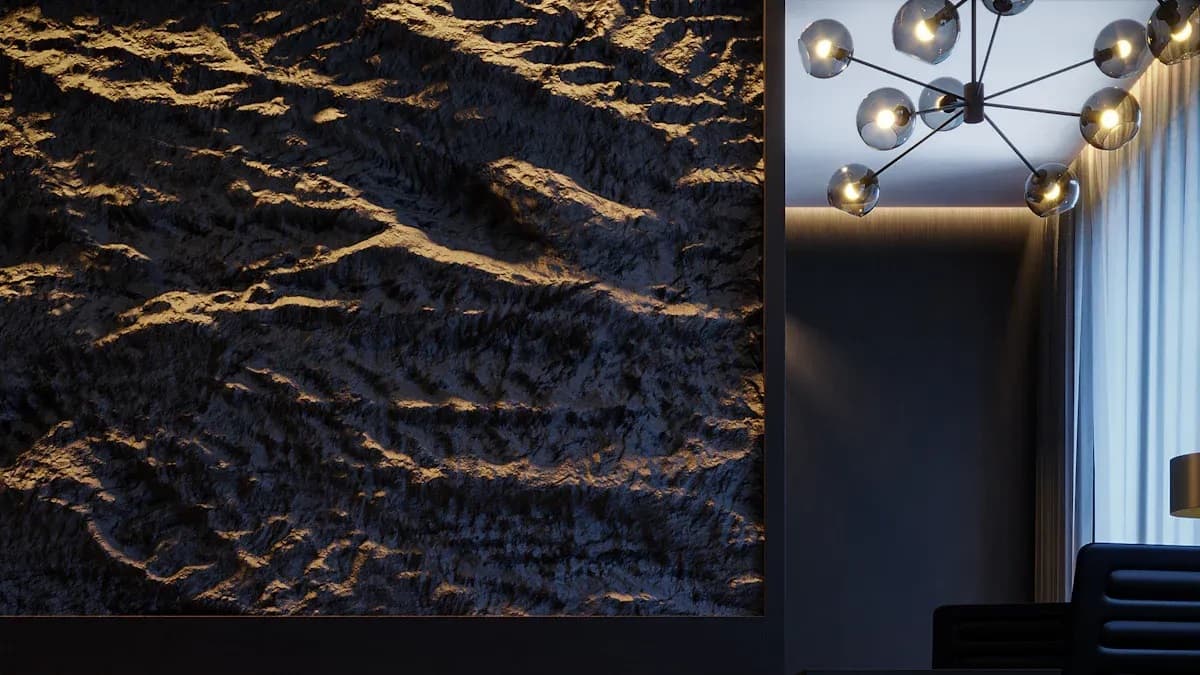
When you compare magnetic track lighting systems to old fixtures, you see big changes in how your space looks and feels. You get more control and style with magnetic tracks. Let’s break down the main differences:

  • Magnetic track lighting uses LED bulbs and low voltage. You save energy and get bright light without high bills. Old fixtures often use more power and burn out faster.

  • You can move lights along the track anytime. No tools needed. If you want to highlight a new spot or change your room’s look, just snap the fixture to a new place. Old fixtures stay stuck in one spot, which limits your options.

  • The design of magnetic track lighting is sleek and modern. Smooth lines and flat surfaces make your room look neat. Old fixtures can look bulky and outdated.

  • You get lots of fixture choices. Try linear lights for a clean look or spotlights for focus. This helps you match your style and needs. Old fixtures usually offer fewer options.

  • Adjusting your lighting is easy. If you want more light for homework or less for movie night, you can change it fast. Old fixtures make this hard.

Old fixtures have disadvantages. They use more energy and give you less flexibility. You might need an electrician to move or change them. Magnetic track lighting gives you a better overall lighting experience. You can customize, save energy, and enjoy a modern look. If you want a system that grows with you, magnetic tracks are the way to go.

Tip: Think about your future needs. Magnetic track lighting lets you expand and change your setup without hassle.


You get three big wins with magnetic track lighting:

  1. You install it fast—just put up the track and snap on the lights.

  2. You move lights anytime for new moods or tasks.

  3. You pick styles that fit every room. Try customizing your setup and avoid common mistakes for the best results!


FAQ

How do you move lights on a magnetic track?

You just slide the light along the rail. Snap it into place. No tools needed. You can change the setup anytime.

Can you dim magnetic track lights?

Yes, you can dim most magnetic track lights. Use a compatible dimmer switch. This helps you set the mood for any room.

What rooms work best with magnetic track lighting?

You can use magnetic track lighting in kitchens, living rooms, offices, or stores. It fits almost any space. You get flexibility and style everywhere.
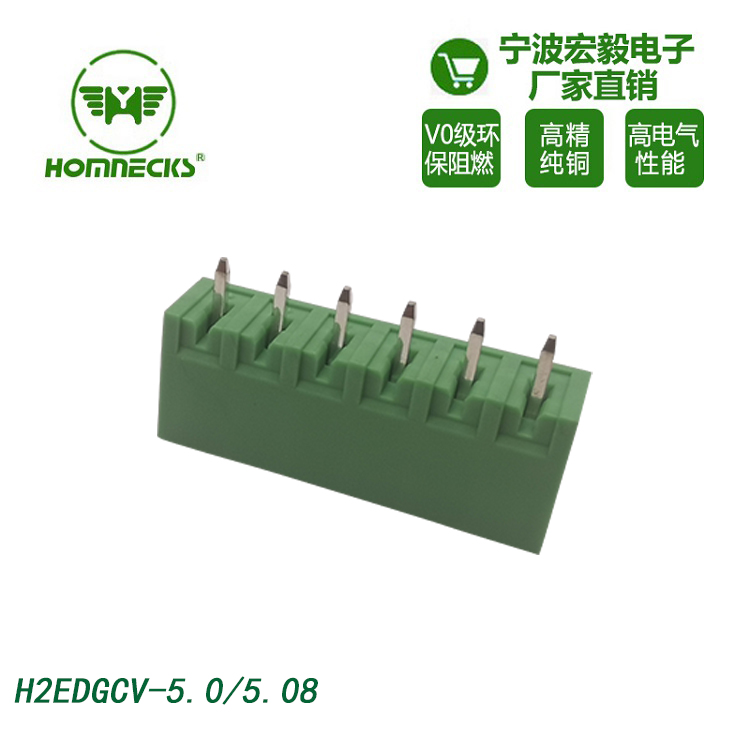
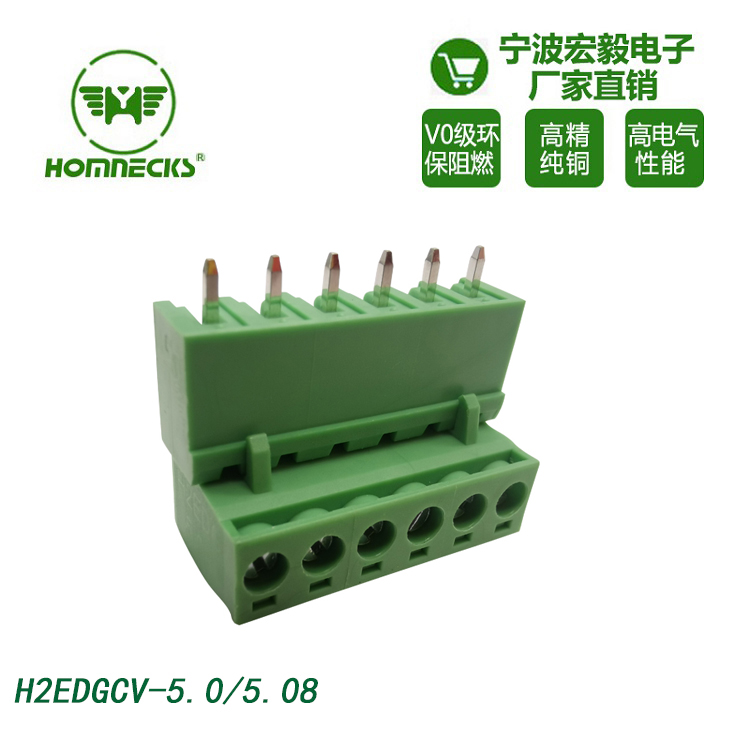
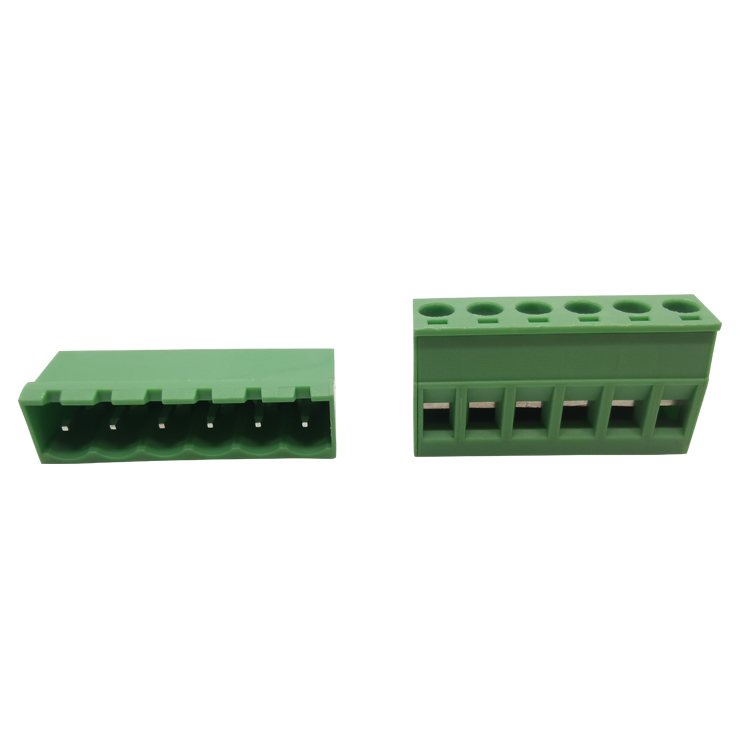
5 way connector block


This article will delve into the characteristics, application scenarios, and how to make the best choice based on actual needs, helping you achieve a perfect balance between space utilization and work efficiency in your designs.


Basic Characteristics of Single-Row and Double-Row Terminal Blocks


As a crucial component for connecting circuits, the choice of terminal block directly affects the performance and stability of the product. Single-row terminal blocks have only one row of pins and are typically mounted parallel or perpendicular to the circuit board, while double-row terminal blocks have two rows of pins, resulting in a more compact design.


Single-row terminal blocks are characterized by their simple structure and relatively large pin spacing, giving them certain advantages in electrical performance. Due to the larger pin spacing, signal interference is lower, making them particularly suitable for applications with high signal quality requirements. At the same time, single-row terminal blocks have a simple structure, lower manufacturing costs, and are relatively easy to install and maintain.


Dual-row connectors stand out for their high-density connection capabilities. On the same circuit board area, a dual-row design can provide twice the number of connection points as a single-row design, which is crucial for modern electronic devices with limited space.


Space Saving: The Obvious Advantage of Dual-Row Connectors


From an industrial application perspective, the double-row design using multi-layer DIN rail terminals can achieve significant space savings. It is reported that the HOMNECKS DHH series branch terminals, through their vertical wiring structure, effectively reduce the width of the terminal blocks, freeing up usable space within the control cabinet. Similarly, the HOMNECKS DHH series DIN rail terminals, by achieving 2-3 independent potential layers within a limited space, increase contact points by 2-3 times, resulting in higher wiring density and saving over 50% of space, effectively improving overall utilization.


ABB's FlexLine series also demonstrates the space advantages of a double-row design. Its dual-slot terminals allow equipment and buses to be powered without an incoming line module, and combined with its ultra-thin design, significantly saves distribution box space.


Improving Cabling Efficiency: Different Approaches Between Single and Dual-Row Wiring

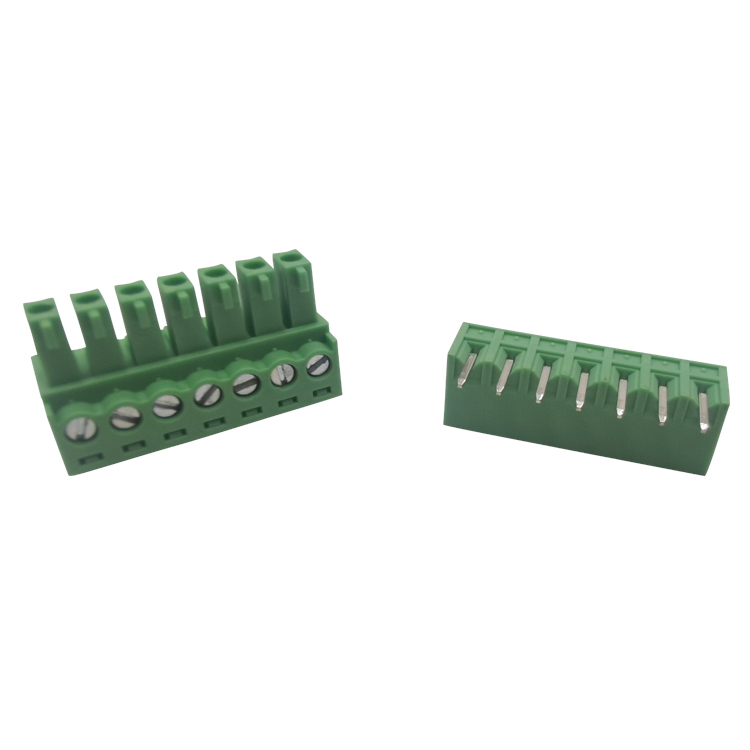
terminal block 5 pin 

Caving efficiency involves multiple aspects, including installation speed, ease of maintenance, and system integration efficiency. In this dimension, single-row and dual-row wiring strips each have their advantages.


Dual-row wiring strips indirectly improve cabling efficiency through high-density integration. While installation may require higher precision and more complex tools, once installed, the compact layout of the dual-row design makes the entire circuit system simpler and reduces cable clutter.


Selection Guide for Practical Applications


Choosing the right connector type in a real-world project requires considering several factors:


Electrical Performance Requirements: For high-frequency signal transmission applications, special attention must be paid to factors such as connector spacing, material, and surface treatment. Single-row connectors, with their relatively larger pin spacing, experience less signal interference and may therefore have an advantage in electrical performance. Double-row connectors, with their denser pins, may affect signal transmission quality to some extent, especially in high-frequency signal transmission, requiring careful evaluation.


With a limited budget, it is necessary to weigh performance and cost based on the actual needs of the product and make the best choice.


Ease of Use and Maintainability

In later product maintenance, the ease of replacement and repair of wiring types significantly reduces maintenance costs and time.


Conclusion


Single-row and double-row terminal block each have their advantages, and the choice should be based on specific application requirements. In scenarios with extremely limited space, double-row connectors are the best choice due to their high-density connection characteristics; while in situations with high signal quality requirements and relatively ample space, single-row connectors have the advantage due to their superior electrical performance and ease of maintenance.


With the continuous development of connector technology, we will see more innovative designs that combine the advantages of both in the future, providing more possibilities for the design and manufacturing of electronic products.


High Current Barrier Terminal Block Manufacturer


Homnecks Isolated terminal blocks vs Homnecks pluggable terminal blocks: Which is better suited for your high-current applications?


I. What is an Homnecks Isolation Terminal Block?


An isolation Homnecks terminal block is a Homnecks terminal structure with a physical isolation barrier, HONGYI ELECTRONIC effectively preventing short circuits between adjacent lines and improving insulation safety. It is commonly used in high-voltage, high-current, and harsh environment scenarios.


Key Features:


Clear isolation barrier structure for enhanced insulation performance


High current carrying capacity (typically 30A150A or more)


Excellent vibration resistance


Suitable for power systems, frequency converters, and distribution equipment


II. What is a Homnecks Pluggable Terminal Block?


A pluggable Homnecks terminal block is a modular connection structure, HONGYI ELECTRONIC typically consisting of a male connector and a female connector, facilitating quick plugging and unplugging for maintenance.


Key Features:


Supports quick installation and replacement


Saves maintenance time


Common spacing specifications such as 5.08mm and 7.62mm


Suitable for medium current applications (typically 10A40A)


III. Core Comparative Analysis for High Current Applications


Comparison Dimensions:


Current carrying capacity: Isolated terminals have higher current carrying capacity


Insulation safety: Isolated terminals are superior


Vibration resistance: Homnecks Isolated terminals have stronger vibration resistance


Maintenance efficiency: Homnecks Pluggable terminals have higher maintenance efficiency


Suitable scenarios: High-power equipment vs. modular equipment


 Pluggable Terminal Block Supplier for Industrial Equipment

IV. How to Choose for High-Current Applications?


Situations where isolated Homnecks terminal blocks are recommended:


Current exceeding 50A


Environments with strong vibrations


High-voltage power supply systems


Extremely high safety requirements


Situations where pluggable terminal blocks are recommended:


Current in the 10A40A range


Equipment requiring frequent maintenance or replacement


Primarily for control signals


PCB mounting structure


V. Key Technical Indicators for Engineer Selection

Focus on the following during selection:


Rated Current


Rated Voltage


Contact Resistance


Insulation Material Class (UL94 V-0)


Operating Temperature Range


Conductor Cross-sectional Area (AWG)

VI. Conclusion In high-current applications, there is no "best" terminal block, only the "most suitable" choice.


For high-power, high-safety-requirement scenarios, Homnecks isolated terminal blocks are recommended.


For scenarios emphasizing maintenance efficiency and modular design, Homnecks pluggable terminal blocks are preferable.


Proper selection is essential to ensure system safety and long-term stable operation.


terminal block Factory

Finding the Right Terminal Block Maker for Your Company


In the electronics business, how good your parts are really impacts how long your product lasts. If you're in charge of buying or designing stuff, picking a good terminal block seller is as important as the circuit design. Here's what to look at when you're checking out who to work with.


Factory or Seller: Whats the difference?


When you're getting parts, you can usually either buy them from someone who sells them from different brands or directly from the company that makes them.


Using a seller: A seller can have different options from different brands and can ship small orders fast. Though if you want a lot of stuff, it might cost you more.


Using a factory: If you buy from the factory, you usually get better prices since you are buying directly. Plus, a factory that only makes terminal blocks will have people who can adjust the product to what you need.

terminal block supplier

Find a Specialist

Not all factories are the same. If your product is complex, find a maker that is experienced in that area. Makers that know a lot about pluggable tech can make sure everything connects well and lasts a long time.


Why pick us to be your terminal block maker?


We're a top terminal block maker. We're good at giving customers good connections that are certified worldwide. We got it all, from connectors that handle a lot of electricity to small PCB terminals. Because our lines are highly automated, our products are reliable and affordable.


Whether you need a supplier who can reliably ship lots of standard parts or a factory to handle custom designs, we're here to help keep your production going strong.


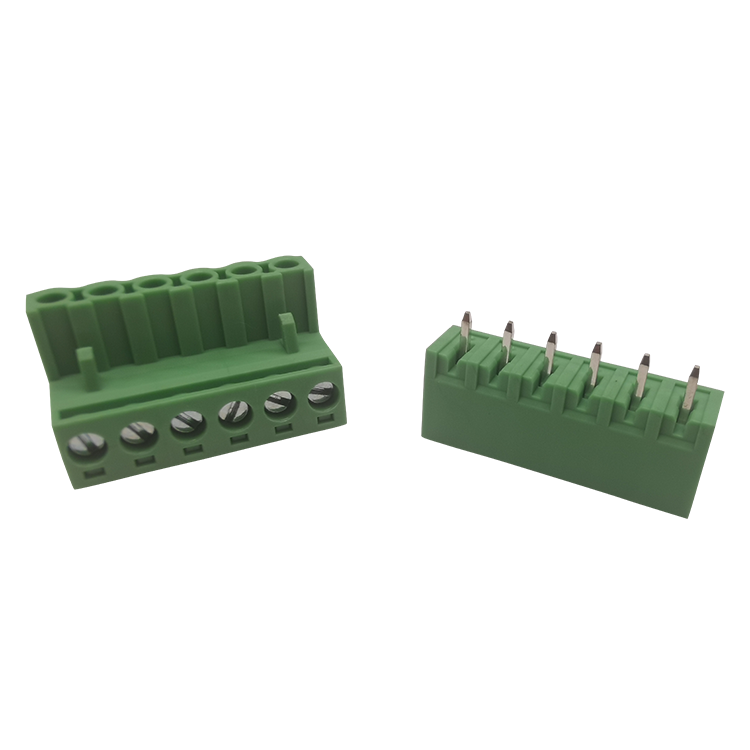
6 pole terminal block

I. What is the Pitch?


Pitch means the distance between the center points of two adjacent pole,

Here is the normally pitch : such as 7.62mm, 9.5mm, 11.0mm, 13.0mm, and 15.0mm.


In isolated HOMNECKS screw terminal blocks, HONG YI ELECTRONIC pitch determines the insulation distance between HOMNECKS terminal blocks,the current carrying capacity, installation space layout, and safety certification standards.


II. Why is Pitch Crucial for High-Current Applications?


1. Creepage Distance and Electrical Safety:

  larger pitch means bigger physical distance, for terminal block,HONG YI ELECTRONIC help product to improve creepage distance and clearance, reducing the risk of short circuits.


2. HONG YI ELECTRONIC Determines Current Carrying Capacity: A larger pitch typically means thicker copper components and stronger contact pressure, thus supporting higher currents.


3. HONG YI ELECTRONIC Affects Heat Dissipation and Long-Term Reliability: A suitable pitch helps dissipate heat, reduces temperature rise, and extends product life.


4.Affects Overall Equipment Layout Design: HONG YI ELECTRONIC Pitch directly affects the space utilization of the control cabinet, PCB size, and mounting hole layout.


4 way terminal block supply

III. Typical Current Ranges for Different Pitches


7.62mm: 20A30A


9.5mm: 30A50A


11.0mm: 50A75A


13.0mm and above: 75A150A


Actual selection needs to be confirmed based on specific structural design and material specifications.


IV. Engineering Selection Recommendations


Step 1: Confirm the maximum continuous current.


Step 2: Confirm the system voltage level.


Step 3: Assess environmental factors (humidity, dust, vibration).


Step 4: certification  (UL, CE, etc.).


V. Common Misconceptions in B2B Procurement


Focusing only on price while ignoring pitch


Considering only rated current while ignoring temperature rise


Ignoring the impact of long-term load


Failing to calculate installation space


VI. Summary

Pitch is not only a structural dimensional parameter, but also a key indicator of electrical safety, heat dissipation performance, and system reliability.


For our customer, HONG YI ELECTRONIC choosing the right pitch to reduce after-sales risks, improve product stability, and enhance market competitiveness.


3 pin pluggable terminal block


Why Materials are important: Brass vs Screws Terminal Blocks


Material Basics: The Fundamental Differences Between Brass and Steel


Before delving into the comparison, we need to understand the basic characteristics of these two materials.


Brass is an alloy of copper and zinc, typically containing 60-95% copper. It has acceptable conductivity, good machinability, and good weldability, and is moderately priced, with a yellowish appearance. Brass's conductivity is approximately 70% of pure copper, which is considered medium among commonly used metal materials.


Steel's main component is iron, and it has very poor electrical conductivityonly 3-10% that of pure copper. However, steel possesses good elasticity and excellent wear resistance, and can be used at temperatures up to 250°C. Steel is gray in color, and its corrosion resistance can be improved through various surface treatments (such as nickel plating and zinc plating).


From a cost perspective, brass is relatively economical, while steel, after special treatment, can be more expensive. However, this only considers the cost of the material itself; we need to assess the total cost of ownership at the system level.

 pluggable terminal block 3 pin

Electrical Conductivity: A Natural Advantage of Brass


In isolating terminals, screws not only serve a mechanical fixing function but also participate in current conduction. Brass screws have a natural advantage in this regard:


- Lower Contact Resistance: Brass has a much higher conductivity than steel, effectively reducing contact resistance at connection points, minimizing power loss and heat generation.


- Stable Conductivity: When tightening wires, brass screws form a more reliable electrical connection, ensuring stable current transmission.


In contrast, steel screws have poor electrical conductivity. When using steel screws, current is primarily transmitted through the conductive components of the terminal itself, with the screw mainly serving a mechanical clamping function. In some designs, steel screws may require thicker plating or special structures to compensate for their lower conductivity.


Mechanical Strength and Tightening Force: The Advantages of Steel


In applications requiring high tightening force, steel screws exhibit significant advantages:


- Higher Mechanical Strength: Steel has higher mechanical strength than brass and can withstand greater tightening torque. This is particularly important for connections of large-section cables (16mm² and above), as high-current connections require sufficient clamping force to ensure reliable contact.


- Vibration Resistance:  This is crucial for applications such as rail transportation, wind power generation equipment, and robotic arm control cabinets.


Corrosion Resistance: The Key Role of Surface Treatment


Whether it's brass or steel, surface treatment is a crucial factor determining corrosion resistance.


Common Surface Treatments for Brass Screws:


- Tin Plating: Tin-plated brass is stable in general environments, but not recommended for continuous high-temperature use.


- Nickel Plating: Strong corrosion resistance, but poor electrical conductivity. Nickel-plated brass is suitable for high-temperature and humid environments, and can be used at temperatures around 250°C.


Common surface treatments for steel screws:


- Nickel plating: After 48 hours of testing with 5% NaCl salt spray, the contact resistance change rate is 1.2%, demonstrating excellent performance. Nickel-plated steel screws are suitable for high-humidity industrial environments and can extend their service life by 3-5 times.


- Zinc plating (color zinc): Suitable for dry indoor environments, but requires regular maintenance and inspection.


- Stainless steel: Such as AISI 303, 304, 316L, etc., with extremely strong corrosion resistance.


Selection Guidelines for Different Application Scenarios


1. General Industrial Control Cabinets


For conventional industrial control cabinets, the environment is relatively stable, and temperature and humidity are controllable. Tin-plated brass screws are the most balanced choice.


2. High Vibration Environments


Nickel-plated steel screws are recommended to balance corrosion resistance.


3. High-Current Connections


For main power input lines and connections of large-section cables (16mm² and above), brass screws are superior due to their excellent conductivity. Tin plating or silver plating can further enhance conductivity and oxidation resistance.


4. Highly Corrosive Environments


In corrosive environments such as coastal areas, chemical plants, and wastewater treatment plants, corrosion resistance is a primary consideration. Options include:


- 316L stainless steel screws: Extremely strong corrosion resistance, suitable for special industries such as medical and food processing.


5. High-Temperature Applications


In high-temperature environments, the thermal stability of materials is crucial. Nickel-plated steel screws can be used at temperatures around 250°C, while brass or nickel-plated bronze can also reach 250°C. For even higher temperatures, special materials such as stainless steel or nickel alloys are required.

Trade-offs between Cost and Long-Term Reliability


Factors to consider include:


- Replacement Costs: Replacing a failed screw in a complex system may involve multiple steps such as equipment downtime and manual disassembly, with costs far exceeding the cost of the screw itself.


-Choosing high-quality screw materials is an effective measure to reduce this risk.


Conclusions and Selection Recommendations


The key is to find the optimal balance between conductivity, mechanical strength, corrosion resistance, and cost based on specific application requirements.


pluggable pcb terminal block supplier

When you're working on an electronic circuit project, picking the right PCB mount terminal block is super important. It keeps everything safe, reliable, and easy to fix if something goes wrong. There are tons of options out there, so knowing what's what can save you a lot of time and cash. Let's check out some common choices for circuit board designs today.


1. Pluggable PCB Terminal Blocks: Super Handy


If your system needs regular check-ups, tests, or part swaps, pluggable PCB terminal blocks are the way to go. They have two parts: a socket that you solder onto the board and a plug where you stick the wires.


Easy Fixes: With these, anyone can quickly disconnect a bunch of wires without messing with each one.


Works Everywhere: You can find these blocks in all sorts of things, like air conditioning systems and factory robots.


2. Quick and Safe: Spring vs. Screwless Terminal Blocks


Want to speed up wiring at work? Check out these options.


Screwless terminal blocks mean no screwdrivers needed! Just push a wire into the hole, and you're done.


Spring terminal blocks use a spring to hold the wire tight. They handle bumps well, so the wires stay put even when things get shaky, like in big machines.

 pluggable pcb terminal blocks supplier

3. Old-School but Good: PCB Mount Screw Terminal Blocks


Even with all the new stuff, the regular screw terminal block is still a solid pick. It clamps down super hard and works with many wire sizes. If you're making power supplies or heavy-duty gear that doesn't need to be plugged and unplugged a lot, these are a cheap and strong choice.


So, whether you're thinking about using spring terminal blocks that can handle a beating, or plug-in blocks for a system thats easy to take apart, getting the right parts is key to a good project. Always get your stuff from reliable people who make sure everything is top-notch.


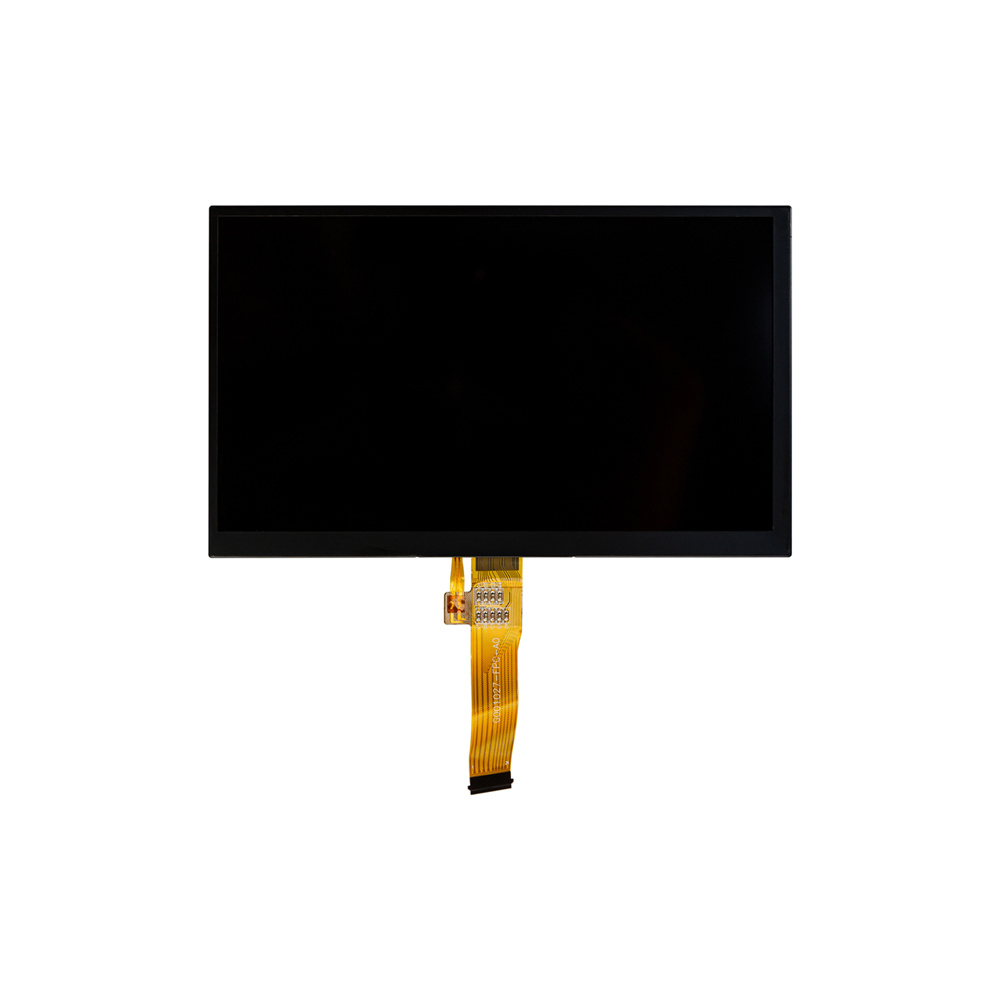
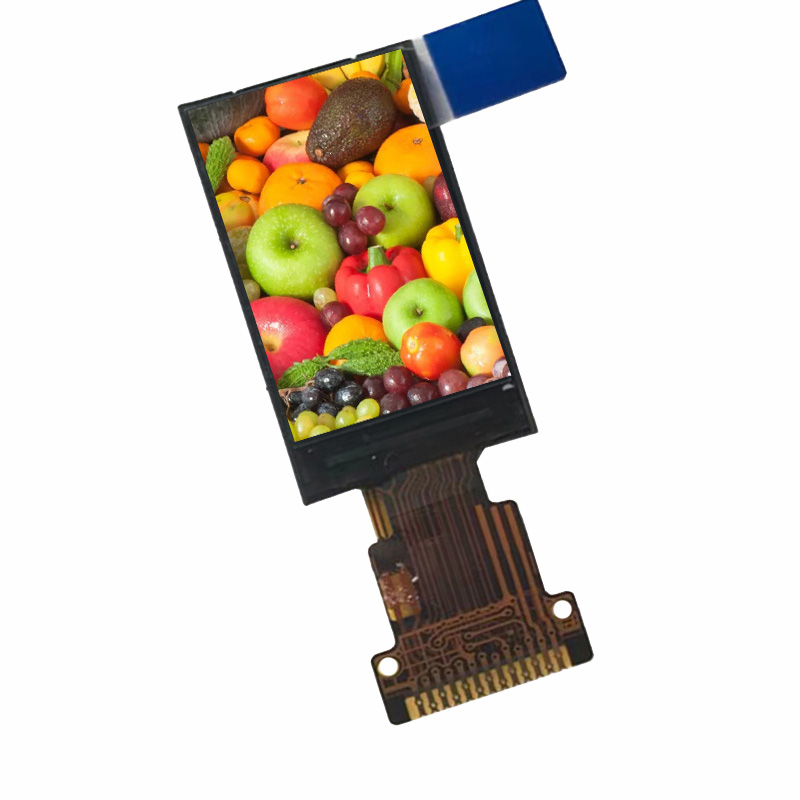
You might wonder about the difference between LCD and TFT displays. LCD means Liquid Crystal Display, while TFT stands for Thin Film Transistor, which is a special type of LCD. Not all LCDs utilize TFT technology, but every TFT display is indeed an LCD. Understanding the difference between LCD and TFT helps you choose the best screen for your needs. For instance, TFT LCDs often produce brighter pictures and have a longer lifespan. However, they consume more power and have smaller viewing angles. The table below illustrates how TFT LCDs differ from other screen technologies:


Feature

TFT LCDs

Other Technologies (e.g., OLED)

Image Quality

Higher contrast, vibrant colors

Superior contrast, true blacks

Viewing Angles

Limited

Better viewing angles

Power Consumption

Higher

Generally lower

Cost

More cost-effective

Often more expensive

Longevity

Longer lifespan

Prone to burn-in issues

Brightness

Generally brighter

Varies


Key Takeaways

  • TFT displays have thin film transistors for each pixel. This gives clearer pictures and quicker screen changes than regular LCDs. - Pick TFT LCDs if you want bright colors and wider viewing angles. They are great for games and watching videos. - Think about how much power the screen uses. TFT screens can use more power, which can make batteries run out faster in portable devices. - Think about what you need. If you do simple things, a regular LCD is enough. If you do harder tasks, TFT displays have more helpful features. - TFT LCDs usually last longer than OLED screens. This makes them a good choice for daily use.


LCD Display Basics

Segment LCD Display

How LCD Display Works

You see images on an lcd because of a clever design. The screen uses several layers that work together to show pictures and colors. Here is how a typical lcd works:

  1. The backlight shines a bright, even light across the whole screen.

  2. The light passes through a polarizer film that controls how much light enters the next layer.

  3. The liquid crystal layer sits between two glass plates. When you apply electricity, the crystals twist or untwist. This action changes how much light can pass through.

  4. A second polarizer film helps control the final amount of light.

  5. Color filters add red, green, and blue to create full-color images.

When you use a tft lcd, you get even more control over each pixel. The tft lcd uses tiny transistors for every pixel. These transistors switch on and off quickly, so you see sharp images and smooth motion. The tft lcd design makes it perfect for devices like smartphones, tablets, and monitors.

Tip: The liquid crystal layer does not make its own light. It only controls how much light from the backlight reaches your eyes.


Types of LCD Display

You can find different types of lcd screens. Each type has special features that make it good for certain uses. Here is a table to help you compare the main types:

Type

Characteristics

Advantages

TN

Fast response times, limited viewing angles, and color accuracy

Popular for gaming monitors

IPS

Superior color accuracy, wider viewing angles

Ideal for graphic design and photo editing

VA

Better color accuracy and viewing angles than TN, slower response times

Suitable for users needing a balance between performance and image quality

  • TN screens work well for fast-moving games.

  • IPS screens show bright colors and look good from the side.

  • VA screens give you a mix of speed and color.

Many modern tft lcd screens use IPS or VA technology. You get better colors and wider viewing angles with these tft lcd types. If you want a screen for art or movies, a tft lcd with IPS might be your best choice. For gaming, a tft lcd with TN can give you quick action and less blur.

You now know how an lcd display works and what types you can choose. This knowledge helps you pick the right tft lcd for your needs.


TFT Display Technology

What Is a TFT LCD?

When you shop for screens, you might see tft lcd. This display uses thin film transistors to control each pixel. The tft layer works like a tiny switch for every pixel. With a tft lcd, you see bright colors and sharp pictures. This technology gives you better control over the image than older lcd screens.

A tft lcd works in four main steps. First, the screen gets a signal. Then, the tft layer sends voltage to the liquid crystals. These crystals twist and turn to let light through. Color filters mix the light to make the picture you see. This all happens very fast, so you get smooth motion and clear images.

You can look at this table to compare tft display technology with traditional lcd screens:

Feature

TFT Display Technology

Traditional LCD Technology

Color Reproduction

Superior color display

Limited color range

Clarity

Outstanding clarity

Average clarity

Response Time

Faster response time

Slower response time

Power Efficiency

More power efficient

Less power efficient

Touch Functionality

Capacitive and resistive touch

Limited touch functionality

Aspect Ratio Control

Maintains aspect ratio

Limited aspect ratio control

Ghosting

No ghosting

Prone to ghosting

Variety of Interfaces

Supports many bus types

Limited interface options

You will find tft lcd screens in things like smartphones, tablets, and monitors. These displays give you a better view for games, videos, and photos.


Active Matrix vs. Passive Matrix

It is important to know about active matrix and passive matrix screens. A tft lcd uses an active-matrix display. This means each pixel has its own transistor. You get fast response times and clear pictures. The screen can show smooth video and sharp words.

Passive matrix screens use a grid of wires to control pixels. These screens are slower and have lower image quality. You might see blurring or ghosting when you watch fast scenes.

Here is a table to help you compare the two types:

Aspect

Passive Matrix

Active Matrix (TFT)

Pixel Control

Grid of row and column wires

Each pixel has its own transistor

Image Quality

Lower contrast and sharpness

Higher contrast, clearer images

Response Time

Slower, may blur

Fast, good for video and motion

Power Use

Efficient for static images

Higher, but supports rich content

Complexity

Simple design

More complex circuitry

Cost

Lower cost

More expensive

Best Use Cases

Basic, static displays

High-res, interactive devices

You will see that tft lcd screens with active matrix work best for things that need fast, clear pictures. You can enjoy games, movies, and touch features without lag or blur.

Tip: If you want a screen for reading or simple tasks, a passive matrix screen may be enough. For videos and smooth action, pick a tft lcd with active matrix.


Difference Between LCD and TFT Display

TFT LCD Display Module

Refresh Rate and Image Quality

You can see a difference when you watch fast videos or play games. Regular lcd screens have lower refresh rates. This means pictures can look blurry or slow during action scenes. Tft lcd screens use active matrix technology. Each pixel has its own transistor. This design gives a higher refresh rate. Motion looks smooth and sharp. You see less ghosting and clearer details.

Here is a table that shows how refresh rates compare:

Type of Display

Refresh Rate Characteristics

Standard LCD

Typically lower refresh rates, suitable for static or slow-moving content.

TFT LCD

Higher refresh rates due to individual pixel control, allowing for smoother motion and sharper images.

Tft lcd screens also make image quality better. You get higher contrast ratios and better color contrast. This makes movies, games, and photos look more real. The difference between lcd and tft is easy to see when you want the best picture for fun or art.


Viewing Angles and Color

Viewing angles and color accuracy are important when you share your screen. Regular lcd screens, especially TN types, have narrow viewing angles. If you move to the side, colors can look faded or strange. Tft lcd screens, especially with IPS technology, have much wider viewing angles. You can see clear images and true colors from almost any spot.

Here is a quick comparison:

Technology

Typical Viewing Angle

TN (Twisted Nematic)

Approximately 90 degrees, with significant color distortion at angles beyond this range.

IPS (In-Plane Switching)

Up to 178 degrees, with minimal color distortion across all angles.

Tft displays use thin-film transistors to control each pixel. This gives you great color accuracy and brightness. Images look brighter and more real. This is important for art, photos, and watching videos with friends. The overall image quality gets better because tft technology controls each pixel well. You get higher contrast ratios and less color change.

  • Tft displays use thin-film transistor technology to make images and colors better.

  • They control each pixel, so colors look great.

  • The technology gives you better viewing angles and less color change.

You will notice a big difference between lcd and tft screens when you compare their color and viewing experience.


Power Consumption and Lifespan

Power use can help you choose between lcd and tft lcd. Tft screens use active matrix technology. Each pixel needs its own transistor, which uses more power. If you use a portable device, you may see shorter battery life with tft lcd screens. Regular lcd screens use less power, so they are better for saving energy.

Here is a table to help you compare:

Display Type

Power Consumption Characteristics

TFT

Generally consumes more power due to active matrix technology, leading to reduced battery life in portable devices.

Traditional LCD

More energy-efficient, making them preferable for applications where power consumption is critical.

When you look at lifespan, tft lcd screens last longer than many other types. Makers say tft-lcd screens can last from 50,000 to over 100,000 hours. This makes them a good choice for things you use every day. If you compare tft lcd to oled, tft lcd lasts longer and does not have burn-in problems.

Display Type

Typical Lifespan (hours)

TFT-LCD

50,000 to over 100,000

OLED

10,000 to 50,000

You can see that lcd and tft lcd are different in power use and how long they last.


Cost and Availability

Cost and availability also show how lcd and tft lcd are different. Tft lcd screens cost more to make because they use more parts and better technology. But now, they are common in many devices, so prices are lower. You will find tft lcd screens in phones, tablets, monitors, and car displays.

Regular lcd screens are cheaper and easier to make. You may see them in simple calculators, clocks, or old devices. If you need a screen for simple things, a regular lcd can save you money.

When you compare tft lcd and oled, tft lcd screens usually cost less. Oled screens have deeper blacks and better contrast, but they cost more and do not last as long. Comparing tft lcd and led is also important. Led screens use light-emitting diodes for backlighting. Tft lcd uses liquid crystals and transistors. Both have good points, but tft lcd often gives better pictures and lasts longer.

Note: If you want a screen with great quality, long life, and good value, tft lcd is a strong choice. For basic needs, a regular lcd may be enough.

Now you know the main difference between lcd and tft lcd. You can use this to pick the right screen for you, whether you care most about picture quality, power use, or price.


LCD TFT Advantages and Disadvantages

Pros and Cons of LCD Display

You see lcd screens in many places. They are in TVs, monitors, and cameras. People like lcd because it has many good points.

Pros of lcd display:

  • Lcd screens cost less money than OLED or other new displays.

  • Lcd uses less energy, so it is good for laptops and phones.

  • Lcd screens are light, so they fit in tablets and game consoles.

  • Lcd lasts a long time, longer than some old screens.

  • You find lcd in lots of devices, like TVs and cameras.

Cons of lcd display:

  • Lcd has small viewing angles. Colors can look strange from the side.

  • Lcd does not have as much contrast as newer screens.

  • Lcd can be slow to change pictures, so fast scenes may blur.

Tip: If you want a cheap and energy-saving screen for daily use, lcd is a smart pick.


Pros and Cons of TFT LCD

Tft lcd gives you better pictures and works faster. It uses thin film transistors to control each pixel.

Advantages of tft lcd

Description

High Image Quality

Pictures look sharp and colors are more true.

Fast Response Time

Videos and games move smoothly with less blur.

Wide Viewing Angles

You can see the screen well from many sides.

Compact Design

Devices are lighter and thinner with tft lcd.

Low Heat Emission

The screen does not get very hot after long use.

Power Efficiency

Tft lcd saves energy, especially with LED lights.

Tft lcd also shows colors well and has high resolution. This makes it great for art, games, and movies.

But tft lcd has some problems too:

Drawback

Description

Higher Cost

Tft lcd costs more than basic lcd screens.

Narrow Viewing Angles

Colors can change if you look from sharp angles.

Glare in Sunlight

It is hard to see the screen outside in bright sun.

Backlight Dependence

Tft lcd needs backlighting, which uses more power.

Lower Color Saturation

Colors are not as bright as IPS or AMOLED screens.

Note: Tft lcd is best when you want great pictures and speed. For simple jobs, a basic lcd is enough.


Choosing the Right Display

Usage Scenarios for LCD TFT

You see different displays in many devices around you. The type of screen you choose depends on what you want to do. If you play games or watch videos, you want smooth motion and bright colors. A tft lcd works best for these tasks. It gives you fast refresh rates and sharp images. Many smartphones, laptops, and gaming monitors use tft lcd screens because they show action clearly and make colors pop.

If you use a device for simple tasks, you may not need advanced features. Basic lcd screens work well in calculators, digital watches, and handheld games. These screens use less power and cost less.

Here is a table to help you see where each display type is common:

Display Type

Common Devices/Industries

TFT

Smartphones, Laptops, Gaming monitors, Modern TVs

LCD

Calculators, Digital watches, Basic handheld games

You should also think about where you use your device. If you use it outside, some tft lcd screens have special coatings that help you see the screen in sunlight. For gaming, tft lcd gives you a better experience because it reacts quickly and shows smooth motion.

  • tft lcd is great for gaming and outdoor use with special coatings.

  • lcd is good for simple, low-power devices.


Factors to Consider

When you pick a display, you need to look at several important factors. The right choice helps your device work better and last longer.

Consideration

Why it matters

Display size and resolution

The screen must fit your device and show clear images.

Viewing angle technology

IPS technology in tft lcd helps you see the screen from different positions.

Brightness and contrast

High brightness and contrast help you see the screen in sunlight or bright rooms.

Touch interface

Choose the right touch type for gloves, precision, or tough environments.

Operating temperature range

The display must work well in hot or cold places.

Longevity and availability

Pick a display that lasts long and is easy to replace if needed.

You should also think about the environment. High temperatures can make screens dim or slow. Cold can make the liquid crystals stiff. Humidity can damage the screen. Sealed designs and special glass can protect your display from water and dust.

Tip: Always check the temperature and humidity range for your display. This keeps your device safe and working well.

By thinking about your needs and the environment, you can choose the best display for your project.


Now you know the main differences between LCD and TFT displays. TFT screens have a tiny transistor for each pixel. This makes them react faster and show better colors. They also have higher contrast than regular LCDs. Standard LCDs do not control each pixel by itself. They are better for simple jobs like clocks or calculators. Look at this table to compare:

Feature

TFT Display

Standard LCD

Pixel Control

Individual

Shared

Response Time

Fast

Slow

Best For

Gaming, graphics

Simple displays

Think about what you need before picking a screen. If you want to learn more, check out guides about TFT, IPS, and LCD screens.


FAQ

What is the main difference between LCD and TFT displays?

You see the main difference in pixel control. TFT displays use a transistor for each pixel. This gives you sharper images and faster response times than standard LCDs.

Can you use TFT LCDs outdoors?

You can use TFT LCDs outdoors, but sunlight can make the screen hard to see. Some TFT screens have special coatings to improve visibility in bright light.

Do TFT displays last longer than OLED screens?

Yes, you get a longer lifespan with TFT displays. OLED screens can suffer from burn-in and usually last fewer hours than TFT LCDs.

Are TFT screens good for gaming?

You get smooth motion and clear images with TFT screens. Their fast refresh rates and quick response times make them a popular choice for gaming monitors.

Mono LCD Display or OLED for Industrial Devices Which Offers Better Performance

You need a display that stands up to tough environments and delivers reliable performance in industrial devices. Mono LCD display technology typically leads in durability, power efficiency, longevity, and cost-effectiveness. The latest market data shows mono LCD displays hold a ~55% share in industrial applications, while OLED accounts for about 25%.


Display Type

Market Share (%)

Notes

LCD Monochrome Displays

~55%

Dominant due to affordability and widespread use

OLED Monochrome Displays

~25%

Gaining traction in niche applications requiring superior contrast

With features like customizable backlight and wide temperature tolerance, the Golden Vision mono LCD display demonstrates why lcd display solutions continue to dominate industrial settings.


Key Takeaways

  • Mono LCD displays excel in durability and power efficiency, making them ideal for harsh industrial environments.

  • Choose LCD displays for applications requiring high brightness and readability in direct sunlight, thanks to customizable backlighting.

  • Consider OLED displays for applications needing superior contrast and fast response times, especially in controlled lighting.

  • LCD displays generally offer longer lifespans and lower maintenance costs compared to OLED, ensuring reliable long-term performance.

  • Evaluate your specific application needs to select the right display technology, balancing performance, cost, and environmental conditions.


Mono LCD Display Overview

You rely on mono lcd display technology for its proven reliability in industrial environments. This display operates by manipulating liquid crystals between two glass sheets. When you apply voltage, the crystals align and block light, turning pixels off. Without voltage, light passes through, making pixels visible. This binary control creates crisp images, ideal for applications that require clear data presentation. The construction uses transparent electrodes and polarizers, ensuring stable performance even in demanding conditions. You benefit from a high-performance lcd that offers consistent visibility and long operational life. The Golden Vision mono lcd display, for example, features a customizable backlight, allowing you to adjust brightness for optimal readability in any lighting. You can integrate this lcd display into electric meters, medical equipment, and other devices where durability and clarity matter most.


Tip: Mono lcd displays excel in environments where you need low power consumption and robust operation across wide temperature ranges.


OLED Displays Overview

OLED displays use organic layers that emit light when you apply an electric current. Each pixel in an oled display is independently controlled, delivering exceptional image quality with perfect blacks and infinite contrast. You experience wide viewing angles and rapid response times, which are critical for dynamic interfaces. OLED technology enables sleek, lightweight designs due to thin organic layers and flexible substrates. Flexible oled display modules can bend to a radius below 3mm, making them suitable for innovative industrial designs. You also benefit from reduced power consumption in dark mode, saving energy in applications with frequent black backgrounds.


Here’s a quick comparison of key features:

Feature

OLED Display Technology

LCD Display Technology

Image Quality

Perfect blacks, high contrast

Good contrast, limited black depth

Viewing Angles

Wide, minimal color shift

Limited, improved in modern models

Response Times

Fast, minimal motion blur

Slower than OLED

Cost

Higher, premium technology

Cost-effective, budget-friendly

Lifespan

Improved, but burn-in risk

Reliable, long life

Design

Thin, lightweight, flexible

Bulkier due to backlight

OLED displays offer advanced visual performance and design flexibility. You should consider oled technology for applications that demand superior contrast, fast response, and innovative form factors.


Physical Robustness

When you select a display for industrial devices, you need to consider how well it withstands physical stress. LCD vs OLED comparisons often highlight the differences in construction and resilience. Mono lcd display modules use rigid glass substrates and sealed enclosures. This design protects the lcd from impacts, vibrations, and accidental drops. You benefit from a display that resists scratches and maintains clarity over time.


OLED displays offer thin and flexible panels, which enable innovative designs. However, oled technology can be more vulnerable to pressure and bending in harsh environments. Industrial monitors often require rugged enclosures and environmental protection ratings, such as IP and IK, to ensure durability. You want a display that prevents screen discoloration and touch malfunctions. LCD displays, especially those built for industrial use, excel in these conditions.

  • Industrial lcd displays feature robust construction for reliable operation in severe climates.

  • You can use custom lcd modules that resist high vibrations and chemicals.

  • Rugged lcd display designs help prevent failures and malfunctions caused by physical stress.


Temperature & Environmental Resistance

You face extreme temperatures and challenging environments in many industrial settings. LCD vs OLED performance varies significantly under these conditions. Mono lcd display modules, like the Golden Vision Mono LCD Display, operate across a wide temperature range from -20°C to 50°C. You can store them in even harsher conditions, from -30°C to 60°C. This resilience ensures your devices function reliably, whether you deploy them indoors or outdoors.


OLED displays deliver excellent image quality but may experience reduced lifespan or performance in extreme heat or cold. OLED technology uses organic materials that can degrade faster when exposed to thermal stress. You need a display that maintains stability and prevents image retention issues. LCD displays undergo rigorous testing for thermal stress, making them suitable for industrial applications.

Feature

Mono LCD Display (Golden Vision)

OLED Displays

Operating Temperature Range

-20°C to 50°C

Typically 0°C to 40°C

Storage Temperature Range

-30°C to 60°C

-20°C to 60°C

Resistance to Vibration

High

Moderate

Chemical Resistance

High

Moderate

Environmental Protection Ratings

Available (IP, IK)

Available, less common

Note: You should choose lcd displays for environments with temperature extremes, high vibrations, and exposure to chemicals. The Golden Vision mono lcd display offers proven resilience and reliability for industrial devices.


LCD vs OLED comparisons show that mono lcd display modules provide superior durability and environmental resistance. You gain peace of mind knowing your lcd display will perform consistently, even in the most demanding industrial conditions.


Sunlight & Ambient Light Performance

You need reliable sunlight readability when you deploy devices in industrial environments. The lcd vs oled debate often centers on how each display performs under direct sunlight or strong ambient light. Mono lcd display modules excel in these conditions. You can adjust the customizable backlight to boost brightness, which helps maintain clear visibility even outdoors. This feature gives you control over brightness performance, making mono lcd display solutions ideal for electric meters, medical equipment, and other devices exposed to changing light.


OLED displays offer impressive image quality indoors, but sunlight readability can suffer. OLED technology produces deep blacks and vibrant colors, yet peak brightness often falls short compared to lcd displays. You may notice glare or reduced clarity on oled display panels when sunlight hits the screen. Industrial lcd displays, with their high brightness and adjustable backlight, provide consistent readability in both indoor and outdoor settings.


Tip: Choose lcd displays with customizable backlight for applications that demand strong sunlight readability and stable visual quality.


Contrast & Brightness

You want displays that deliver sharp images and clear data. The oled versus lcd comparison reveals key differences in contrast and brightness. OLED displays achieve contrast ratios up to 1,000,000:1, thanks to their ability to turn off individual pixels for true black levels. LCD displays typically reach contrast ratios between 1000:1 and 5000:1, but advanced models can go higher. You get excellent picture quality from both technologies, but the choice depends on your environment and application.


Here’s a table comparing contrast and brightness levels:

Display Type

Brightness (nits)

Black Level Luminance (nits)

Contrast Ratio

OLED

Up to 7500

0.010

Up to 1,000,000:1

LCD

1000+

0.01 to 0.05

1000:1 to 5000:1


You see that oled displays offer superior contrast and deep blacks, which enhance picture quality and visual quality in controlled lighting. LCD displays, however, provide higher peak brightness, which improves readability in bright environments. The customizable backlight in mono lcd display modules lets you optimize brightness for your specific needs. This flexibility ensures that your devices maintain high readability and picture quality, regardless of ambient light.

  • OLED displays deliver outstanding image quality and contrast for indoor use.

  • LCD displays offer higher brightness performance and better sunlight readability for industrial applications.

  • Customizable backlight in mono lcd display modules enhances readability and supports consistent visual quality.


When you compare lcd vs oled, consider the lighting conditions and the demands of your devices. OLED vs lcd performance varies, but lcd displays with adjustable backlight remain the preferred choice for environments requiring maximum readability and brightness.


Power Efficiency: Mono LCD vs OLED Display

Power Consumption

You need to consider power consumption when choosing between lcd vs oled for industrial devices. Power efficiency affects not only your device’s operational costs but also its reliability in the field. Mono lcd display modules stand out for their low power usage, especially when displaying static images. You benefit from a consistent power draw, which helps maintain stable performance in demanding environments. OLED displays, on the other hand, show variable power consumption. The energy required depends on the content displayed. Bright images or screens with many white pixels increase power usage, while darker screens consume less.


Here is a comparison of typical power consumption figures:

Display Type

Power Consumption (W/m²)

Notes

Monochrome LCD

20 to 150

Lower power usage, especially with static images.

OLED

Variable

Power consumption varies with content; high for bright images.

Note: You can rely on mono lcd display modules for applications that require predictable and efficient power usage. This advantage becomes critical in industrial settings where devices must operate for long periods without frequent maintenance.


Impact on Battery Life

Battery life remains a top priority for portable industrial devices. The choice between lcd vs oled directly influences how long your device can run before needing a recharge. LCD displays generally offer longer battery life when you use bright themes or display static data. The constant backlight in lcd displays ensures efficient operation, even in well-lit environments. OLED technology provides better battery life in dark mode, as individual pixels emit light only when needed. However, if your application requires bright screens or high visibility, oled display modules may drain batteries faster.


Consider the following table that highlights the impact on battery life:

Display Type

Power Consumption Characteristics

Impact on Battery Life

OLED

More efficient with dark images; consumes more power with bright content

Better battery life in dark mode; worse in bright mode

LCD

Generally more efficient for bright content due to constant backlight

Longer battery life with bright themes; less efficient for dark content


You should evaluate your application’s display requirements before making a decision. If your devices need to operate in bright conditions or display static information, mono lcd display modules deliver superior battery performance. You gain the advantage of low power operation, which translates to longer uptime and reduced maintenance.


Tip: For industrial devices that demand reliability and extended battery life, lcd displays remain the preferred choice. You maximize operational efficiency and minimize downtime by selecting technology that matches your usage patterns.


Longevity & Burn-In: OLED vs LCD

Display Lifespan

You want your industrial devices to last as long as possible. When you compare lcd vs oled, you see clear differences in operational lifespan. Most industrial oled displays offer between 30,000 and 100,000 hours of continuous use before brightness drops to half its original level. This range translates to about 3 to 11 years of service in demanding environments. Oled technology has improved, but you still need to consider the impact of static content and environmental factors on longevity.


Mono lcd display modules stand out for their longer lifespan and consistent performance. You benefit from a design that uses stable backlight illumination, which avoids the pixel-level wear seen in oled. Lcd displays often exceed the operational life of oled displays, making them a preferred choice for applications where reliability and durability matter most. You can trust lcd displays to deliver quality visuals and dependable operation year after year.


Note: If you need a display that supports long-term, continuous use, lcd displays provide a clear advantage in reliability and lifespan.


Burn-In & Image Retention

Burn-in risk remains a major concern in the lcd vs oled debate. Oled displays use organic materials that degrade over time, especially when you display static images. This degradation leads to visible image retention or permanent burn-in, which can affect the quality of your device’s interface.


The following table highlights the differences in burn-in severity:

Technology

Burn-in Severity

Key Reason

OLED/AMOLED

High

Organic layer degradation from static content

LCD

Low

Backlight illumination prevents pixel wear


You may encounter burn-in in about 5% of oled displays after two years of typical industrial use, especially in scenarios with static icons or data. Reports from the past decade show that automotive and signage applications face higher rates of image retention. In contrast, lcd displays rarely suffer from burn-in or image retention, thanks to their unique backlight system.


When you evaluate oled vs lcd for industrial devices, consider the long-term reliability and maintenance costs. Mono lcd display modules deliver stable performance without the worry of burn-in, making them ideal for continuous-use environments.

Tip: Choose lcd displays for applications that require uninterrupted, high-quality visuals and minimal maintenance.


Cost Comparison: LCD vs OLED

Initial Cost

When you evaluate the initial cost of display technologies for industrial devices, you notice a clear difference between lcd vs oled options. Manufacturers benefit from established supply chains and economies of scale for lcd displays, which keeps prices low. Mono lcd display modules offer a cost-effective solution for projects that require reliable performance and high quality. You can see the price gap in the following table:

Display Type

Size (5-inch)

Price Range (Bulk)

TFT

HD (720x1280)

$18 - $28

OLED

HD (720x1280)

$35 - $60


You save money upfront by choosing lcd displays. The lower production costs result from mature manufacturing processes, especially in China. Oled displays require complex materials and strict quality control, which increases the price, especially for large orders. If you want to maximize your budget, lcd vs oled comparisons show lcd displays as the more affordable choice.


Maintenance & Replacement

You must also consider long-term costs when selecting a display for your industrial application. Maintenance and replacement expenses can impact your total cost of ownership. Lcd vs oled comparisons reveal that lcd displays have lower upkeep costs. You benefit from a bright display that resists burn-in and rarely needs replacement. Oled displays deliver excellent colors and contrast, but you may face higher costs due to potential burn-in and shorter lifespan.

Technology

Typical Cost

Benefits

Drawbacks

LCD

Lower

Cost-effective, bright display

Thicker, less contrast

OLED

Higher

Excellent colors & contrast

Expensive, potential burn-in


Mono lcd display modules stand out for their cost-effectiveness in industrial environments. You reduce maintenance and replacement costs by choosing lcd displays. The reliable performance and long lifespan help you avoid unexpected expenses. If you want a display solution that balances quality and affordability, lcd vs oled analysis confirms lcd displays as the smart investment.


Note: You can optimize your budget and minimize downtime by selecting lcd displays for your industrial devices.


Mono lcd display modules


Best Applications: Mono LCD Display vs OLED

Mono LCD Display Use Cases

You should consider a mono lcd display for industrial applications that demand reliability, efficiency, and clear data presentation. These displays excel in environments where durability and low power consumption are critical. You will find them in:

  • Industrial equipment displays, where they provide status updates and operational controls, helping you reduce downtime.

  • Medical devices, such as blood analyzers, infusion pumps, and handheld ultrasound units, where clear visuals and long battery life matter.

  • Transportation dashboards, which require rugged displays visible under changing light conditions to improve safety.

  • Electric meters and portable diagnostic tools, where the Golden Vision Mono LCD Display delivers consistent performance in harsh environments.

  • Security and access control systems, where ruggedness and clarity guide users through authentication processes.


Mono lcd display modules offer a cost-effective solution for devices that need to operate reliably over many years.


OLED Display Use Cases

You should select oled displays when your application requires high contrast, fast refresh rates, and advanced visual features. These displays shine in:

Display Type

Key Attributes

Best Use Cases

OLED

High contrast, fast refresh

Wearables, compact devices

  • Wearable technology, where compact size and vibrant visuals enhance user experience.

  • Industrial hmi panels that benefit from touch, multi-touch, and anti-glare features for versatile control.

  • Smart devices that require seamless IoT integration, real-time analytics, and remote management.

  • Applications where you need custom shapes or interfaces to fit unique machinery or environments.

Oled display modules provide advanced functionality and design flexibility for innovative industrial solutions.


Decision Table: LCD vs OLED

You can use the following table to decide between lcd vs oled for your next project:

Criteria

Monochrome Dot Matrix LCD

OLED Display

Operating Temperature Range

Excellent in extremes

Best at low temps

Lifespan

Extremely long

Limited by degradation

Readability

Good, needs backlight

Optimal indoors

Cost

Lowest

Highest

Features

Simple, reliable

Dynamic, advanced


Tip: Choose lcd displays for rugged, long-life industrial devices. Opt for oled when you need advanced visuals and flexible design.


You gain the most value from mono lcd display technology in industrial devices, thanks to its unmatched durability, reliable readability, and cost efficiency. While oled displays offer impressive visuals and flexibility, lcd displays remain the preferred choice for large-scale, rugged applications. Use the decision table for quick reference. Consider your application needs and product features to select the right display as the market evolves toward smarter, energy-efficient solutions.


FAQ

What makes mono LCD displays ideal for industrial environments?

You benefit from mono LCD displays because they offer high durability, wide temperature tolerance, and low power consumption. These features ensure reliable operation in harsh industrial settings.

Can OLED displays handle outdoor industrial use?

OLED displays provide excellent contrast indoors. However, you may notice reduced brightness and visibility in direct sunlight. For outdoor industrial use, you should consider mono LCD displays with customizable backlights.

How does power consumption differ between mono LCD and OLED?

Mono LCD displays use less power, especially with static images. You get longer battery life in devices that use LCDs. OLED displays consume more power with bright or white content.

Are mono LCD displays more cost-effective than OLED?

You save on both initial and long-term costs with mono LCD displays. They have lower purchase prices and require less maintenance. This makes them a smart choice for large-scale industrial projects.


You see the monochrome LCD display market growing fast. New trends are changing the future. The market is worth $1 billion now. It may go over $1.8 billion by 2033. Technology is getting better with TN and VA panels. Flexible displays and transparent screens also help this change. Displays are getting smaller. IoT integration puts displays in more devices. Many people want tough, low-power displays. Some users are starting to pick color displays instead of monochrome.

Technology Type

Description

TN (Twisted Nematic)

Makes response times faster and colors look better.

VA (Vertical Alignment)

Gives better contrast and lets you see from more angles.

Flexible Displays

Can bend and fit many shapes, so you can use them more places.

Transparent Displays

You can see through these screens, so you can use them in new ways.


Key Takeaways

  • Monochrome LCD displays will grow from $1 billion to over $1.8 billion by 2033. This is because TN and VA panel technologies are getting better.

  • Flexible and see-through displays are changing the market. They let people use new ideas in wearables and stores. These displays also make using devices more fun.

  • Making displays smaller and adding IoT are big trends. This helps put small, energy-saving displays in many things, like smart meters and medical tools.

  • Tough and low-power monochrome displays are important for factories and outside use. They last a long time and save energy, which people want.

  • The market is getting bigger because more people want cheap monochrome displays. These displays last longer and work better than color ones.


Monochrome LCD Display Trends for 2026

TN and VA Technology Adoption

TN and VA panels are very important in the monochrome LCD display market. TN panels are fast and cost less. VA panels show better contrast and wider viewing angles. VA panels are good when you need clear images from many sides.

Here is a simple comparison:

Feature

TN Technology

VA Technology

Cost

Cheapest option

Usually costs more

Refresh Rates

Fastest refresh rates

Fast, but not as quick as TN

Viewing Angles

Narrow (45-65 degrees)

Wide viewing angles

Color Reproduction

Average colors

Better colors and contrast

Brightness

Not very bright outside

Less bright than TN


TN panels are best for speed and saving money. VA panels are better for good picture quality and wide viewing. These trends help the market grow for both industry and home use.


Flexible and Transparent Displays

Flexible and transparent displays are new and exciting in monochrome LCD technology. Screens can bend and fit many shapes now. This helps in wearables, smart labels, and curved dashboards. Transparent displays let you see digital content and real things at once. Stores use them to show products and information together.

Some new features are:

  • Direct imaging makes visuals brighter and clearer.

  • Less light loss gives you strong images.

  • High contrast ratios, up to 1200:1, show sharp details.

  • Screen sizes range from 15 to 86 inches.

  • Full transparency lets you make creative displays.

  • Casings can be acrylic or metal.

  • Touchscreen controls are optional.

  • You can use Android, Windows, or Linux.

  • WiFi lets you update content from far away.

  • Power use is about one-tenth of regular LCDs.

These new technologies help you make cool experiences and improve how customers interact. You also save energy, which helps the market and the planet.


Miniaturization and IoT Integration

Miniaturization is a big trend in monochrome LCD displays. Smaller screens fit into more devices, especially with IoT. You can use small, energy-saving screens in smart meters, medical tools, and portable devices. These screens use less power and are easy to read in different lights.

Miniaturization and IoT integration help the market in these ways:

  • Small displays save space and energy.

  • You can check data in real time on connected devices.

  • More devices need reliable, low-power screens as IoT grows.

  • Monochrome LCD displays are popular because they work well in bright or dim light.

Miniaturization lowers costs and makes batteries last longer. But making small displays with good quality is hard. Makers work to fix these problems and keep the market growing.


Rugged and Low-Power Solutions

You need screens that last in tough places. Rugged industrial grade monochrome LCD display panels are made for this. They work well in factories, outside, and anywhere you need strong screens. These displays can be as bright as 1000 nits, so you can see them in sunlight.

Anti-glare monochrome LCD display panels use less power than color screens. They use passive matrix technology, so energy is used only when pixels change. Transflective technology uses light around you, so less backlighting is needed. This saves more energy and makes batteries last longer.


Here is a table showing the benefits:

Display Type

Power Consumption

Cost

Monochrome LCD

Lower

Lower

Color LCD

Higher

Higher


Advantage

Description

Lower power consumption

Uses less power for still images, which helps battery devices.

Transflective technology

Uses light around you to light the screen, saving energy in bright places.


You can trust these rugged and low-power displays for industry, outside, and portable uses. These trends help the market grow by giving users what they need for strong and efficient screens.


Monochrome LCD Display Market Drivers and Challenges

Market Growth and Demand

The monochrome lcd display market is growing fast. More industries want these screens because they are reliable. Electronics companies use them in lots of devices. Car makers also need more Long-life monochrome LCD display products. The government gives money to help new projects. This makes the market grow even faster.


Here is a table that shows how much the market might grow:

Period

Projected CAGR

Notes

2023–2026

N/A

Growth trend suggested

2023–2028

4.2%

Steady growth for monochrome display market

2026–2033

5.9%

Robust future for monochrome lcd display market


The market will keep getting bigger as more people use this technology. These trends mean the market will stay strong for a long time.


Cost-Effectiveness vs. Color Displays

Monochrome lcd display products cost less than color displays. They last longer and do not need to be replaced as often. More people want monochrome screens, but color displays are not growing as much.

Aspect

Monochrome LCD Displays

Color Displays

Production Costs

Lower

Higher

Replacement Costs

Reduced

Higher

Longevity

High

Moderate

Market Demand

Increasing

Stable


You save money when you pick monochrome lcd display solutions. That is why many industries like them. The market grows because they are cheaper, even though some people still want color screens.


Supply Chain and Competition

There are some problems in the monochrome lcd display market. Supply chain issues can slow down making new screens and make them cost more. Some companies cannot make screens fast because of their buildings and machines. It costs a lot of money to start making these screens, so small companies have a hard time. It takes time for people to use new technology, so new products come out slowly. If companies cannot make enough screens, they cannot sell to everyone who wants them.

Challenge

Impact on Market

Infrastructure limitations

Affects production efficiency and responsiveness.

Supply chain complexity

Leads to production delays and increased costs.

High capital intensity

Limits market entry and expansion for smaller firms.

Technology adoption challenges

Delays time-to-market and increases operational risks.

Scalability issues

Constrains ability to meet rising demand.


There is also a lot of competition between companies. Some companies change prices to get more customers. Others make deals or buy lots of parts to save money. Some companies change their products to avoid extra taxes. These things change how much monochrome lcd display products cost and how easy they are to find. The market changes quickly, so you can get better prices and more choices.


Applications of Monochrome LCD Monitors Market

Industrial and Medical Uses

Monochrome lcd display technology is important in factories and hospitals. These screens show clear data right away. You use them in blood analyzers and patient monitors. They are also in handheld ultrasound devices. Monochrome lcd display screens work well in tough places. They last longer and use less power. This helps portable devices work better. You can trust these screens for checking patients and doing surgery.

Application Type

Revenue Share

Estimated Revenue (USD)

Diagnostic Imaging

65%

500 million

Patient Monitoring and Critical Care

20%

154 million

Surgical and Interventional Procedures

10%

77 million


Monochrome lcd display screens show images with strong contrast. You can read them easily and there is less interference. These trends help new medical technology grow.

  • Monochrome lcd display screens help you watch machines in factories.

  • You see data and alerts fast.

  • These screens fight dust, shaking, and heat.

  • You get more safety and less downtime with strong screens.


Consumer Electronics and Wearables

Monochrome lcd display screens are in many home devices. Fitness trackers and smartwatches use these screens to save battery. You can see the screen well in different lights. Monochrome screens help you check steps and heart rate. You also see notifications. More people want wearable technology, so the market grows.

Feature

Description

Low Power Consumption

Ideal for battery-powered devices like fitness trackers and smartwatches

High Visibility

Enhances usability in various lighting conditions

Limitations

Restricted visual display capabilities for advanced applications


You see monochrome lcd display screens in calculators and remote controls. They are also in simple gadgets. These screens make devices last longer and cost less. You get easy-to-read screens and good performance.


Automotive and New Sectors

Cars use monochrome lcd display screens in dashboards and panels. Electric cars and smart cars need screens that use little power. Monochrome screens show fuel, speed, and directions with strong contrast. You can read them fast, even in sunlight. These screens use less than 0.5W, which helps cars with small batteries.

  • Monochrome lcd display screens do not burn in or lose pixels.

  • You get clear info and better touch feedback.

  • More industries use monochrome technology, so the market grows.

  • Health and green trends help new uses for these screens.

Monochrome lcd display screens are now in smart appliances and industrial IoT devices. These screens help you get safe and reliable data. The market gets bigger as people want stronger and more efficient screens.


Industry Impact and Stakeholders

Effects on Manufacturers and Suppliers

Big changes are happening in the monochrome lcd display market. Manufacturers and suppliers must follow new trends and technology. They work hard to make displays use less energy. Smarter power use is important now. More custom solutions and flexible designs are coming. Touch integration and higher resolutions are also important. These changes help you get better products. The market grows because of these improvements.

Trend

Description

Energy Efficiency

Better backlight designs and power management lower energy use.

Customization

New features and materials make displays for special needs.

Flexible Designs

New materials let displays bend for unique uses.

Touch Integration

Touch layers make displays interactive for many products.

Higher Resolutions

More pixels give sharper images and keep costs low.


Benefits for End Users

You get new benefits from monochrome lcd display technology. These displays show high contrast and clear visibility in many places. Devices last longer because they use less power. Monochrome displays work well in tough places and last longer. Higher resolution and pixel density make images sharper and easier to read. These improvements help the market grow and build trust in the technology.

Benefit

Description

High Contrast and Visibility

Easy to see in bright or dim light, good for industry and medical uses.

Low Power Consumption

Longer battery life in portable devices.

Durability and Reliability

Works in harsh conditions, so you can depend on them.

Higher Resolution and Pixel Density

Sharper images for better reading and viewing.


Sustainability and Design

The monochrome lcd display market is moving toward eco-friendly development. Companies follow ESG principles now. They use less energy and safer materials when making displays. More products are made to last longer and be easier to recycle. These changes help global sustainability goals and meet the needs of people who care about the environment. New design and manufacturing ideas help reduce waste and support responsible market growth.


Regional and Segment Insights

Leading Markets and Regions

The market for monochrome displays is growing in many places. Asia-Pacific is the leader because it has many factories and electronics companies. China, Japan, and South Korea make lots of these products. North America is also growing fast. The United States uses monochrome displays in hospitals and factories. Europe has steady demand, especially in Germany and the UK.

Note: Asia-Pacific has the biggest market share because it makes many displays and uses new technology.

Each region has its own focus. Asia-Pacific wants to make displays cheaper and faster. North America spends money on new technology for healthcare and smart devices. Europe cares about quality and eco-friendly products. These differences help the market grow in different ways.


Product Types and Standards

There are many types of monochrome displays in the market. The most common are TN and VA panels. TN panels are fast. VA panels have better contrast and wider viewing angles. Some displays are flexible or transparent. This lets you use them in new places.


Here is a table to compare the main product types:

Product Type

Key Feature

Main Use

TN Panel

Fast response

Wearables, gadgets

VA Panel

High contrast

Medical, automotive

Flexible Display

Bendable

Smart labels, IoT

Transparent Display

See-through

Retail, signage


You should know about standards. Many companies follow ISO and RoHS rules. These rules make sure displays are safe and high quality. Standards help the market by building trust and making products last longer.

The market for monochrome displays keeps changing. New trends and technology push the market forward. You will see more choices and better products as the market grows.


Future of Monochrome LCD Display Technology


Market Evolution and Opportunities

The monochrome lcd display market will change a lot soon. New trends are making the market grow. You will see more displays that cost less to make. This means they can be used in places where price matters. Many companies pick monochrome displays because they last a long time. These displays work well in hard conditions.

Miniaturization is a big trend for the future. Smaller displays will be in more devices. You will find them in smart meters, wearables, and medical tools. Power efficiency will get better too. Devices with batteries will last longer because these displays use less energy.


Here is a table that lists the main chances for the market:

Opportunity

Description

Cost-effectiveness

Cheaper to make, good for places where price is important

Robustness and Durability

Works well in tough places, liked by many industries

Miniaturization

Smaller displays fit more devices

Improved Power Efficiency

Batteries last longer in portable devices

Growth Catalysts

High need in factories and hospitals


The market looks good for the future. More industries want strong and efficient displays, so the outlook is bright.


Long-Term Risks and Recommendations

There are some risks for the future of monochrome display technology. What people want can change fast. If people want new screens, they may buy fewer monochrome displays. The price of materials can go up or down, which makes planning hard.

Rules for safety and the environment might change. New rules can make it harder to sell displays. Problems in factories or with shipping can slow down making displays. New technology could also hurt the market. If a better display comes out, it could replace monochrome displays.


Here is a table that shows the main risks for the future:

Risk Type

Description

Demand Uncertainty

Changes in what people want can change sales

Pricing Volatility

Material prices and competition can change costs

Regulatory Risk

New rules can make displays cost more or limit sales

Operational Risk

Factory or shipping problems can cause delays

Technology Disruption

New displays can make old ones less popular

Investment Exposure

High costs are risky if people stop buying

Macroeconomic Pressure

Big economic changes can affect spending and investment


You can get ready for these risks by watching trends and using new technology. Try to make displays that last longer and use less power. This will help you stay strong in the market and have a good future.


The monochrome lcd display market is growing quickly. New trends are making big changes. Technology is getting better all the time. Many industries use these displays in new ways. You can stay ahead by doing a few things:

  • Keep an eye on how much of the market you have.

  • Look at what other companies are doing and compare your products.

  • Check your products often to find new ideas.

  • Watch your money and be ready to change fast.

These steps help you get ready for new changes. They also keep your business strong.


FAQ

What is driving the growth of the monochrome lcd display market?

The monochrome lcd display market is growing fast. Many industries want screens that work well and last long. People need tough devices and displays that save energy. New uses in hospitals and factories help the market get bigger. Studies show these things make the market grow quickly.


How do energy-efficient solutions impact the monochrome lcd monitors market?

Energy-efficient solutions help by using less power. This makes devices last longer. The monochrome lcd monitors market uses these ideas to make displays better. You save energy and spend less money in many ways.


Why is research and development important for the monochrome lcd monitors market?

Research and development help make products better. Companies use research to add new features and improve quality. The market grows when new technology and better displays come out.


What are some emerging opportunities in the monochrome lcd display market?

There are new chances in smart devices, wearables, and car displays. The market gets bigger as more places use these screens. Research shows new areas need strong and reliable displays.


How can you stay ahead in the monochrome lcd monitors market?

You can stay ahead by following new research and trends. It helps to use new technology and focus on what customers want. Companies that keep improving do well in the market.